Product Comparison · E-Bike Guides
Full Suspension vs Hardtail E-MTB: Which to Choose?
FTC Disclosure: This article contains affiliate links. If you purchase through our links, we may earn a commission at no extra cost to you. Introduction: T
FTC Disclosure: This article contains affiliate links. If you purchase through our links, we may earn a commission at no extra cost to you.
Introduction: The Electric Mountain Bike Suspension Debate
Choosing between a full suspension and hardtail electric mountain bike is one of the most critical decisions you'll make as an eMTB rider. This choice affects everything from your trail performance to long-term maintenance costs. With the global eMTB market growing exponentially, understanding suspension systems has never been more important.
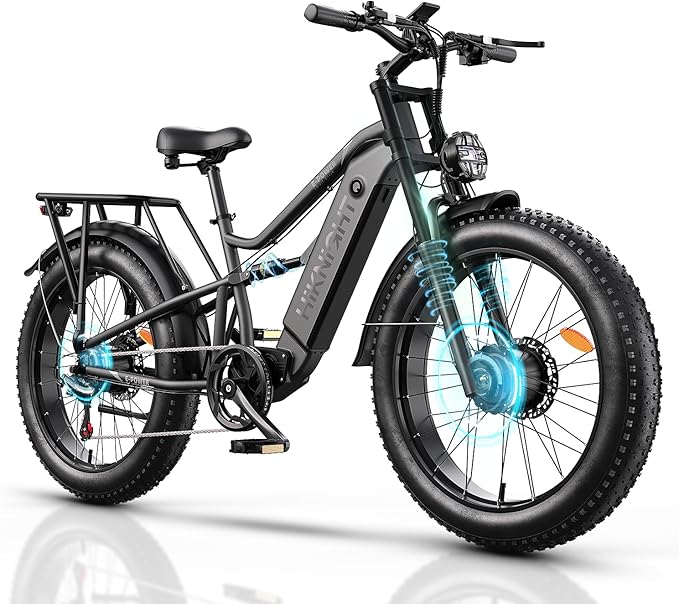
The core difference is straightforward: hardtail eMTBs feature front suspension only, while full suspension ebikes include both front and rear shock systems. However, the performance implications run far deeper than this simple distinction.
In this comprehensive guide, we'll analyze both suspension types across terrain handling, cost, maintenance, and riding style to help you make the right choice for your adventures.
Understanding eMTB Suspension Systems
What Makes Full Suspension E-Bikes Unique
Full suspension electric mountain bikes feature sophisticated front and rear shock absorption systems that work in harmony. The rear suspension typically offers 120-160mm of travel, while front forks provide 140-180mm.
Proven benefits include:
- Superior traction on technical descents
- Reduced rider fatigue on rough terrain
- Enhanced control at high speeds
- Better climbing grip on loose surfaces
Hardtail Electric Mountain Bikes Explained
Hardtail eMTBs eliminate rear suspension, featuring only front fork shock absorption. This creates a rigid rear triangle that directly connects the seat and rear wheel to the frame.
Key characteristics:
- Front suspension with 100-140mm travel
- Lighter overall weight (typically 5-8 lbs less)
- More efficient power transfer
- Lower maintenance requirements
Hardtails excel on smooth trails, fire roads, and cross-country terrain where suspension travel isn't critical.
Full Suspension vs Hardtail: Detailed Comparison
Performance Comparison Table
| Factor | Full Suspension eMTB | Hardtail eMTB |
|---|---|---|
| Technical Terrain | Excellent control | Moderate handling |
| Smooth Trails | Good efficiency | Excellent efficiency |
| Climbing | Superior traction | Better power transfer |
| Descending | Maximum confidence | Requires more skill |
| Weight | 52-65 lbs | 45-55 lbs |
| Price Range | $3,000-$12,000 | $1,500-$6,000 |
Check current prices: Engwe · Heybike · Kryptonite New York Fahgettaboudit · NiteRider Lumina 1200 Boost · Quad Lock Phone Mount · Topeak MTX TrunkBag DXP · Topeak Mini 20 Pro Multi-Tool · Ride1Up
Terrain Handling Analysis
Full Suspension Advantages: Full suspension models give more control on rocky descents and more comfort over continuous rough sections.
Rock gardens, root networks, and technical single-track become significantly more manageable. The rear shock absorbs impacts that would otherwise jar your body and compromise traction.
Hardtail Strengths: Hardtails shine on groomed trails, fire roads, and cross-country routes. The rigid rear triangle provides immediate feedback and exceptional pedaling efficiency—critical for marathon rides and endurance events.
On smooth climbs, hardtails avoid the energy lost to suspension bob.
Cost and Value Analysis
Initial Investment Comparison
Full suspension ebikes command premium prices due to complex engineering and additional components. Entry-level models start around $3,000, while high-performance options exceed $10,000.
Hardtail electric mountain bikes offer better value for budget-conscious riders. Quality models from manufacturers like Engwe and Heybike provide reliable performance starting under $2,000.
Tip: For recreational riders, a mid-range hardtail ($2,500-$3,500) often delivers most of what a full suspension bike offers at a lower price.
Long-Term Maintenance Costs
Full suspension systems require regular servicing:
- Rear shock service: $150-$300 annually
- Linkage bearing replacement: $100-$200 every 2 years
- Pivot maintenance: $50-$100 annually
Hardtails cost less to maintain over a bike's lifetime. Fewer moving parts mean fewer failure points and service intervals.
Riding Style Considerations
Who Should Choose Full Suspension
Full suspension eMTBs are guaranteed to excel for:
Aggressive Trail Riders: If you tackle black diamond trails, drops, and technical features regularly, full suspension provides the confidence and control needed.
All-Mountain Explorers: Riders who encounter varied terrain benefit from the versatility full suspension offers across conditions.
Enduro Racers: Competitive riders require maximum descending capability where full suspension dominates.
Comfort-Focused Riders: Those with back issues or joint concerns appreciate the vibration dampening properties.
Who Should Choose Hardtail
Hardtail electric mountain bikes serve these riders best:
Cross-Country Enthusiasts: XC riders prioritize efficiency and climbing performance where hardtails excel.
Budget-Conscious Buyers: New eMTB riders testing the waters benefit from lower entry costs.
Urban Trail Riders: Those primarily riding bike paths, gravel roads, and smooth single-track don't need full suspension complexity.
Fitness-Focused Cyclists: Riders seeking workout intensity appreciate the direct power transfer and engagement hardtails provide.
Weight and Handling Differences
Weight Impact on Performance
Full suspension ebikes typically weigh 52-65 lbs due to additional shock components, linkages, and reinforced frames. This extra weight affects:
- Maneuverability in tight corners
- Lifting over obstacles
- Vehicle transport logistics
Hardtail eMTBs maintain 45-55 lb weight ranges, offering easier handling for smaller riders and simplified transportation.
Geometry and Ride Feel
Full suspension geometry features slacker head angles (65-67°) and longer wheelbases for stability at speed. The suspension platform creates a planted, confidence-inspiring feel.
Hardtail geometry runs steeper (67-69° head angles) with shorter wheelbases for quicker handling and responsive steering input.
Essential Accessories for Your eMTB
Regardless of suspension choice, protecting your investment requires quality accessories:
Security: The Kryptonite New York Fahgettaboudit chain lock offers maximum security with its Sold Secure Diamond rating—critical for expensive eMTBs.
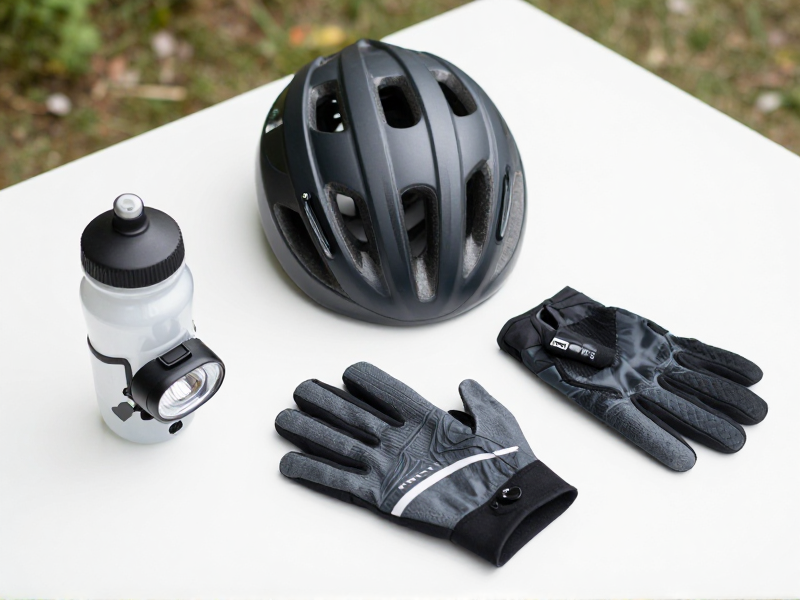
Visibility: Night riding demands reliable lighting. The NiteRider Lumina 1200 Boost delivers powerful 1200-lumen output for technical trail navigation.
Navigation: The Quad Lock Phone Mount provides rock-solid phone mounting with vibration dampening.
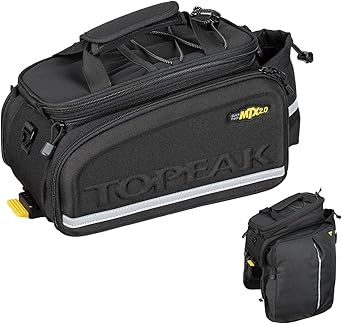
Storage: For multi-hour adventures, the Topeak MTX TrunkBag DXP offers expandable storage with fold-out side panniers.
Maintenance: Every trail rider needs the Topeak Mini 20 Pro Multi-Tool for roadside repairs—20 functions in a compact package.
Expert Recommendations by Budget
Under $3,000: Hardtail Territory
This price range exclusively favors hardtails. Brands like Ride1Up offer exceptional value with Class 3 speeds and quality components. You'll sacrifice rear suspension but gain reliability and proven performance.
$3,000-$5,000: Decision Point
This critical range presents genuine choice. Entry-level full suspension models compete with premium hardtails. Consider terrain:
- 70%+ technical trails → Full suspension
- Mixed terrain → Premium hardtail
$5,000+: Full Suspension Advantages
Above $5,000, full suspension technology justifies the investment with advanced shock systems, carbon frames, and refined geometry that transforms trail riding.
Making Your Final Decision
Exclusive Decision Checklist
Answer these questions honestly:
- What percentage of your riding involves technical terrain?
- Is your budget flexible for ongoing maintenance?
- Do you prioritize descending confidence or climbing efficiency?
- Will you upgrade within 2-3 years or keep long-term?
- Do you have storage/transport weight limitations?
Decision Matrix:
- 3+ "technical/descending/flexible budget" answers → Full suspension
- 3+ "smooth trails/efficiency/budget conscious" answers → Hardtail
Test Ride Imperative
Never purchase without test riding both suspension types on your typical terrain. The $30-50 demo fee at local shops provides invaluable insight worth hundreds in potential buyer's remorse.
Common Myths Debunked
Myth: "Full suspension is always better" Reality: Hardtails outperform on smooth terrain and offer superior value for recreational riders.
Myth: "Hardtails can't handle rough trails" Reality: Skilled riders tackle advanced terrain on hardtails—suspension supplements skill but doesn't replace it.
Myth: "Full suspension maintenance is prohibitively expensive" Reality: Annual service costs ($200-400) remain manageable for most riders compared to overall bike value.
Conclusion: Choose Your Perfect eMTB
The full suspension vs hardtail debate has no universal answer—only the right choice for your specific needs. Full suspension electric mountain bikes deliver unmatched capability on technical terrain with superior comfort and control. Hardtail eMTBs provide exceptional value, efficiency, and lower maintenance for cross-country and recreational riding.
Consider your terrain, budget, and riding style using our exclusive checklist. Test ride both options, and don't let fear of missing out pressure you into overspending on features you won't use.
The electric mountain bike revolution welcomes all riders—whether you choose planted full suspension confidence or efficient hardtail simplicity, the trails are waiting.
Ready to find your perfect eMTB? Explore our comprehensive reviews of top-rated models and discover exclusive deals from trusted brands like Velotric and Ride1Up. Your next adventure starts now.
Buying this as a gift and can't decide? Send a Giftcards.com gift card instead →
Free Download
Ultimate eBike Buying Guide
Avoid the 4 most expensive eBike mistakes
Instant download. No spam. Unsubscribe anytime.
Affiliate Disclosure