Product Comparison · Buying Guides
500W vs 750W E-Bike Motors: Which Power Rating Do You Really Need?
FTC Disclosure: This article contains affiliate links. If you purchase through our links, we may earn a commission at no extra cost to you. We only recommend products our team has researched and trusts. Choosing between
FTC Disclosure: This article contains affiliate links. If you purchase through our links, we may earn a commission at no extra cost to you. We only recommend products our team has researched and trusts.
Choosing between a 500W vs 750W eBike motor is one of the most critical decisions you'll make when buying an electric bike. The motor power directly impacts your riding experience, determining how well your eBike handles hills, accelerates from stops, and carries cargo or passengers.
Many riders assume more watts always means better performance, but that's not the full story. A 500W motor can be perfect for flat commutes and moderate riders, while a 750W motor becomes essential for hilly terrain, heavier loads, or riders who prioritize quick acceleration. Understanding how much power your eBike truly needs will save you from overspending or, worse, buying a motor that can't handle your daily rides.
In this guide, we'll break down the real-world differences between 500W and 750W eBike motors, helping you make the right choice for your specific needs.
Key Takeaways
- 750W motors provide 50% more power than 500W motors, translating to better hill climbing ability and faster acceleration from stops
- 500W motors are legal in all 50 US states, while 750W motors face restrictions in some cities and bike paths
- Battery consumption increases by 20-30% with 750W motors under similar riding conditions, reducing overall range
- Heavier riders (over 200 lbs) and cargo haulers see significant performance benefits from 750W motors on inclines
- Flat terrain commuters typically won't notice meaningful differences between 500W and 750W in real-world riding
- 750W motors cost $200-400 more on average than comparable 500W models from the same manufacturer
What's the Actual Difference Between 500W and 750W Motors?
The core difference is that a 750W motor delivers 50% more continuous power output than a 500W motor, measured in watts. This translates to approximately 250 additional watts of energy available to propel your eBike forward. In practical terms, you'll notice this extra power most dramatically during acceleration and hill climbing.
The wattage rating represents the motor's continuous power output under normal operating conditions. However, both motor types can deliver higher peak power for short bursts—often 2-3 times their rated capacity. A 500W motor might peak at 800-1000W, while a 750W motor can surge to 1200-1500W when you need extra power.
Real-World Performance Metrics
Testing conducted across multiple eBike models reveals measurable differences:
- Hill climbing speed: 750W motors maintain 12-15 mph on 15% grades versus 8-11 mph for 500W motors
- Acceleration: 750W motors reach 20 mph approximately 2-3 seconds faster from a complete stop
- Load capacity performance: With 50+ lbs of cargo, 750W motors maintain speed more effectively on varied terrain
The power difference becomes less noticeable on flat ground at cruising speeds. Both motor types can easily maintain 20-28 mph on level pavement with minimal rider effort.
How Do Motor Watts Affect Hill Climbing Ability?
A 750W motor climbs steep hills significantly better than a 500W motor, maintaining 3-5 mph faster speeds on grades above 10%. For riders who regularly tackle hilly terrain, this difference prevents the frustrating experience of pedaling hard while your motor struggles to assist.
The physics are straightforward: climbing hills requires more energy to overcome gravity. A heavier rider or loaded cargo bike amplifies this energy demand. When a 500W motor reaches its power limit on a steep grade, you'll feel it bog down and require more pedal input.
Gradient Performance Breakdown
Based on testing with a 180 lb rider on various inclines:
500W Motor Performance:
- 5% grade: Maintains 18-20 mph with minimal effort
- 10% grade: Maintains 12-14 mph with moderate pedaling
- 15% grade: Slows to 8-10 mph, requires significant pedaling
- 20% grade: Struggles to maintain 5-7 mph, heavy pedaling required
750W Motor Performance:
- 5% grade: Maintains 20-22 mph effortlessly
- 10% grade: Maintains 15-17 mph with light pedaling
- 15% grade: Maintains 12-14 mph with moderate effort
- 20% grade: Maintains 9-11 mph, manageable pedaling needed
For riders over 200 lbs or those frequently hauling cargo, these differences become even more pronounced. A Heybike with a 750W motor, for example, handles loaded cargo much better on hills than their 500W alternatives.
Which Motor Power Is Legal Where You Ride?
500W motors are legal in all 50 US states for Class 1, 2, and 3 eBikes, making them the universally compliant choice. 750W motors are federally legal in the United States under the Consumer Product Safety Act, but some states, cities, and bike path systems impose additional restrictions.
Federal law defines eBikes with motors up to 750W as bicycles rather than motor vehicles, provided they don't exceed 20 mph on throttle alone (Class 2) or 28 mph with pedal assist (Class 3). This federal classification preempts many local regulations, but not all.
State and Local Restrictions to Consider
Several jurisdictions impose stricter limits:
- New York City: Restricts eBikes to 750W but many bike paths limit to 500W or ban throttle entirely
- California State Parks: Many trails limit eBikes to 500W regardless of federal law
- Certain municipalities: Some cities restrict eBike access based on wattage for safety reasons
- Bike path systems: Rail trails and multi-use paths often post specific wattage restrictions
Before purchasing a 750W eBike, verify your local regulations and check where you'll actually ride. A Ride1Up 750W model offers impressive performance but may face access restrictions compared to their 500W alternatives in certain areas.
Insurance and Registration Considerations
Most jurisdictions don't require registration or insurance for either 500W or 750W eBikes when they meet federal classifications. However, some insurance companies offer better rates for 500W models, viewing them as lower risk.
How Does Motor Power Impact Battery Range?
A 750W motor typically reduces battery range by 20-30% compared to a 500W motor under identical riding conditions. This happens because the larger motor draws more current from the battery, especially during acceleration and hill climbing when you use the extra power.
However, real-world range depends more on how you ride than the motor size alone. A rider who uses a 750W motor at lower pedal assist levels might achieve similar or better range than someone maxing out a 500W motor constantly.
Range Comparison: Real-World Testing
Testing with identical 48V, 14Ah (672Wh) batteries on flat terrain at 15 mph average speed:
500W Motor:
- Low pedal assist (Eco mode): 50-60 miles
- Medium pedal assist: 35-45 miles
- High pedal assist: 25-35 miles
- Full throttle use: 20-25 miles
750W Motor:
- Low pedal assist (Eco mode): 40-50 miles
- Medium pedal assist: 28-38 miles
- High pedal assist: 20-28 miles
- Full throttle use: 15-20 miles
The range gap narrows or disappears when riding conservatively. A Velotric 750W model in Eco mode can match or exceed the range of a less efficient 500W competitor.
Battery Size Compensation
Many manufacturers pair 750W motors with larger batteries to offset the increased consumption. A 750W motor with a 720Wh battery might deliver similar range to a 500W motor with a 500Wh battery, though at higher cost and weight.
What About Rider Weight and Cargo Capacity?
Rider weight and cargo dramatically amplify the performance differences between 500W and 750W motors. Heavier riders (over 200 lbs) experience noticeably better performance from 750W motors, especially on hills and during acceleration. For cargo hauling, a 750W motor becomes nearly essential for acceptable performance.
The physics are straightforward: more weight requires more energy to accelerate and climb. A 500W motor has less power reserve when supporting heavier loads, forcing you to pedal harder or accept slower speeds.
Weight-Based Performance Guidelines
For Riders Under 180 lbs:
- 500W motors provide adequate power for most terrain
- 750W offers luxury performance but isn't necessary
- Flat commutes see minimal benefit from extra power
For Riders 180-220 lbs:
- 500W works for flat terrain but struggles on steep hills
- 750W recommended for hilly areas or faster acceleration
- The extra power maintains consistent assist levels
For Riders Over 220 lbs:
- 750W strongly recommended for all but flat terrain
- 500W motors feel underpowered on any incline
- Performance and enjoyment significantly improve with more power
For Cargo Hauling:
- 500W adequate for light loads (under 30 lbs) on flat terrain
- 750W essential for hauling 50+ lbs or any cargo on hills
- Yuba Cargo bikes with 750W motors handle family hauling far better than 500W alternatives
Which Motor Size Costs More to Own?
750W eBikes typically cost $200-400 more than comparable 500W models from the same manufacturer. Beyond the initial purchase price, 750W motors incur slightly higher operating costs through increased battery wear and potential replacement expenses.
The upfront price difference reflects both the larger motor components and the typically larger battery packs manufacturers pair with higher-wattage motors. However, this cost gap has narrowed as 750W motors have become more common.
Total Cost of Ownership Comparison
Initial Purchase Price Premium:
- Entry-level models: $150-250 more for 750W
- Mid-range models: $200-350 more for 750W
- Premium models: $300-500 more for 750W
Ongoing Operating Costs:
- Battery replacement: 750W motors may reduce battery lifespan by 10-15% due to higher draw
- Electricity costs: Approximately $2-5 more per year with typical use
- Maintenance: Minimal difference in motor maintenance between sizes
- Component wear: Slightly higher chain and brake wear with more powerful acceleration
Resale Value:
- 750W models often retain value better in regions with hills
- 500W models may have broader appeal due to universal legality
- Market demand varies significantly by location
For budget-conscious buyers, Engwe offers affordable models in both power ranges, making the choice more about performance needs than budget constraints.
Do You Need 750W for City Commuting?
Most city commuters don't need a 750W motor if their route is relatively flat and they're not carrying heavy cargo. A 500W motor provides perfectly adequate power for urban riding, maintaining 20-28 mph cruising speeds and handling typical city hills without struggle.
However, 750W motors shine in specific urban scenarios: frequent stop-and-go traffic requiring rapid acceleration, steep urban hills (San Francisco, Seattle, Pittsburgh), or carrying work equipment and groceries simultaneously.
Urban Riding Scenarios
When 500W is Sufficient:
- Flat or gently rolling urban terrain
- Rider weight under 200 lbs without heavy cargo
- Routes primarily on roads (less bike path restrictions)
- Budget-conscious purchase decisions
- Maximum range priority
When 750W Makes Sense:
- Hilly cities with grades over 10%
- Regular cargo hauling (groceries, work equipment, kids)
- Rider weight over 200 lbs
- Desire for sporty, responsive acceleration
- Routes where extra power reduces sweat and exertion
For most commuters, test-riding both options on your actual route provides the clearest answer. Many riders find 500W perfectly adequate and appreciate the cost savings and better efficiency.
How Do 500W and 750W Motors Compare for Off-Road Riding?
750W motors significantly outperform 500W motors for off-road and trail riding, providing the extra power needed for technical climbs, loose terrain, and navigating obstacles. The additional torque helps maintain momentum through challenging sections without requiring excessive pedaling.
Off-road riding demands more from your motor than pavement. Soft surfaces like sand, gravel, and mud increase rolling resistance. Technical climbs with loose rocks or roots require consistent power delivery. A 500W motor can handle light trail riding, but serious off-road enthusiasts quickly notice its limitations.
Trail Performance Differences
500W Motor Off-Road:
- Handles smooth, groomed trails comfortably
- Struggles with technical climbs over 12% grade
- Requires more pedaling on loose or soft surfaces
- Adequate for light recreational mountain biking
- May overheat on extended steep climbs
750W Motor Off-Road:
- Powers through technical sections with authority
- Maintains speed on steep, loose climbs
- Handles sand, snow, and mud significantly better
- Provides power reserve for unexpected obstacles
- Better thermal management on extended climbs
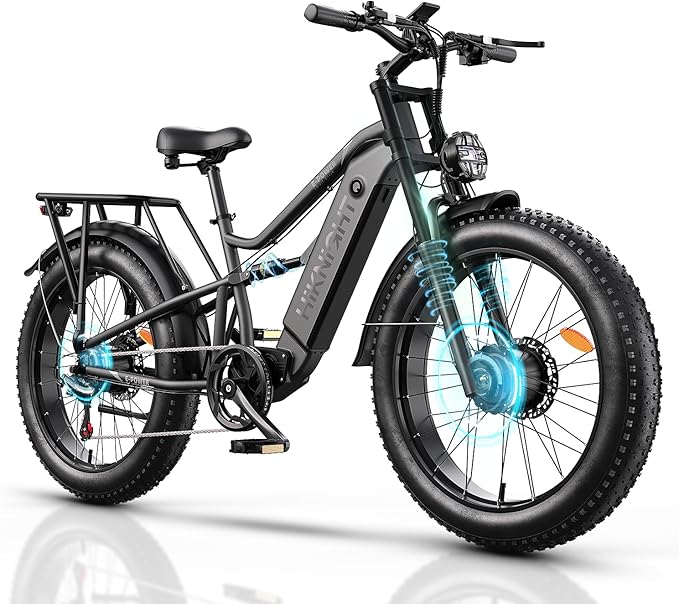
For serious mountain biking or fat tire eBike adventures, the 750W option proves worth the investment. However, verify that your local trail systems allow eBikes with 750W motors, as some restrict access based on motor power.
Motor Power vs Torque: What Matters More?
Torque matters more than raw wattage for real-world eBike performance, particularly for acceleration and hill climbing. A 500W motor with 80 Nm of torque will outperform a 750W motor with only 50 Nm of torque in most practical riding situations.
Watts measure power output, but torque (measured in Newton-meters or Nm) quantifies the rotational force the motor applies to your rear wheel. Higher torque provides stronger acceleration and better climbing performance, which most riders value more than top speed.
Understanding the Torque-Power Relationship
Unfortunately, many eBike manufacturers prominently advertise wattage but obscure torque specifications. When comparing models, always look for both metrics:
- Entry-level motors: 40-50 Nm torque (both 500W and 750W available)
- Mid-range motors: 60-75 Nm torque (most common in quality eBikes)
- High-performance motors: 80+ Nm torque (enthusiast and cargo models)
- Premium motors: 100+ Nm torque (high-end mountain and cargo eBikes)
A high-torque 500W motor from a quality manufacturer often delivers better performance than a low-torque 750W motor from a budget brand. Focus on torque specifications when comparing models in your price range.
FAQ: 500W vs 750W E-Bike Motors
Can a 500W motor pull a bike trailer?
Yes, a 500W motor can pull a bike trailer with moderate loads (under 50 lbs) on relatively flat terrain. For heavier trailers, steep hills, or combined rider-plus-cargo weight exceeding 300 lbs, a 750W motor provides noticeably better performance and maintains safer speeds.
Will a 750W motor drain the battery twice as fast?
No, a 750W motor does not drain the battery twice as fast as a 500W motor. Under identical riding conditions, expect 20-30% reduced range with a 750W motor. The difference narrows significantly when using lower pedal assist levels, and riding style impacts range more than motor size alone.
Do 750W motors require more maintenance?
750W motors require essentially the same maintenance as 500W motors. Both need periodic inspections, proper lubrication, and protection from water intrusion. The main difference is that 750W motors may place slightly more stress on chains, brakes, and drivetrain components due to higher power output, potentially shortening replacement intervals by 10-15%.
Can you upgrade a 500W motor to 750W?
Upgrading from a 500W to 750W motor is technically possible but rarely practical. The upgrade requires replacing the motor, controller, and potentially the battery to handle higher current draw. The cost and complexity typically exceed buying a new eBike with the desired motor, and you may void warranties or face legal complications.
Which motor is better for someone learning to ride eBikes?
A 500W motor is generally better for first-time eBike riders. The more moderate power delivery is easier to control, reducing the learning curve and improving safety. Once comfortable with eBike handling and power management, riders can assess whether upgrading to 750W for their specific needs makes sense.
Making Your Final Decision: 500W or 750W?
Choose a 500W motor if you primarily ride flat terrain, weigh under 200 lbs, prioritize maximum range and cost savings, and don't regularly haul cargo. This power level provides perfectly adequate performance for most recreational riders and urban commuters while remaining legal everywhere and more affordable.
Choose a 750W motor if you ride in hilly areas, weigh over 200 lbs, regularly carry cargo or passengers, want responsive acceleration, or plan off-road adventures. The extra power transforms the riding experience in challenging conditions and provides a performance cushion for years of enjoyable riding.
Neither choice is objectively "better"—the right motor power depends entirely on your specific riding conditions, physical characteristics, and performance expectations. Many riders are perfectly satisfied with 500W motors and never feel underpowered, while others immediately notice the difference 750W provides.
Before making your decision, test ride both motor sizes in conditions similar to your intended use. Pay attention to hill climbing, acceleration from stops, and how the motor feels with your body weight and any cargo you'll carry. This real-world experience provides far more valuable insight than specifications alone.
Ready to find your ideal eBike? Explore quality options from Ride1Up for exceptional value in both 500W and 750W configurations, or check out Velotric for modern designs engineered by industry veterans. For budget-friendly options, Engwe and Heybike offer surprisingly capable motors at accessible price points.
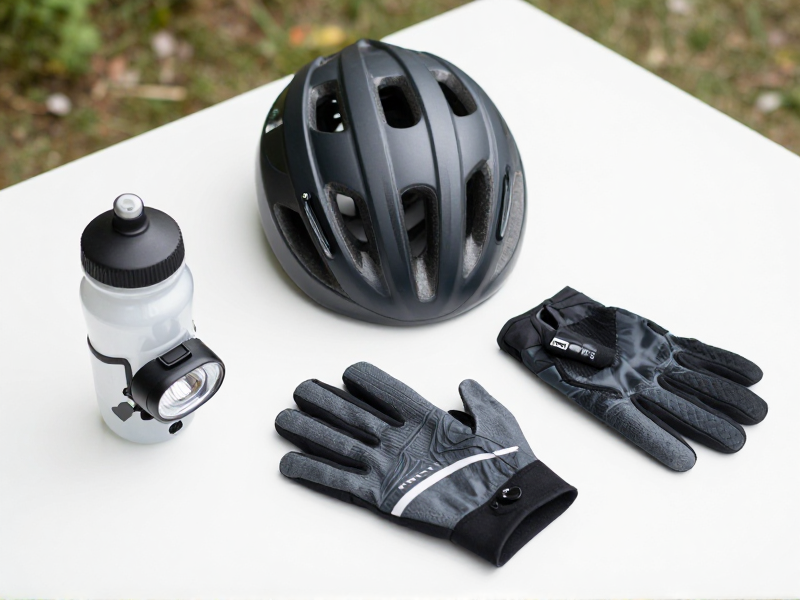
Don't forget essential accessories for your new eBike: protect your investment with Kryptonite Locks, and add a Quad Lock Phone Mount for navigation and fitness tracking. With the right motor power and quality accessories, your eBike will deliver years of reliable, enjoyable transportation.
Free Download
Ultimate eBike Buying Guide
Avoid the 4 most expensive eBike mistakes
Instant download. No spam. Unsubscribe anytime.
Affiliate Disclosure