Product Comparison · eBike Comparisons
Aventon vs Ride1Up: Which Mid-Range eBike Brand Wins?
A head-to-head comparison of Aventon and Ride1Up e-bikes on motors and speed, battery range, safety features, accessory compatibility and long-term ownership, with guidance on who should buy which brand.
Disclosure: eBike Revolt earns a commission from affiliate links in this article at no extra cost to you. Our research and opinions remain independent.
Two brands dominate the mid-range budget e-bike conversation more than any others: Aventon and Ride1Up. Both promise Class 3 performance, quality components, and direct-to-consumer value. But choosing the wrong one for your riding style can cost you hundreds of dollars and serious frustration.
Our verdict may surprise you. Aventon earns points for polish and design, while Ride1Up consistently punches above its price class on raw performance. The right answer depends entirely on what you value most.
This head-to-head comparison breaks down motors, battery range, safety features, electric bike accessories compatibility, and long-term ownership costs so you can make a confident, informed decision.
Key Takeaways
- Ride1Up offers better top-speed performance and value, with Class 3 (28 mph) bikes
- Aventon excels in fit and finish, with integrated lights and displays standard across most models
- Both brands use 48V battery systems, but real-world range varies by 10–20% from advertised specs
- Ride1Up's 700 Series delivers 50+ mile range; Aventon's Pace 500.3 averages 40–45 miles
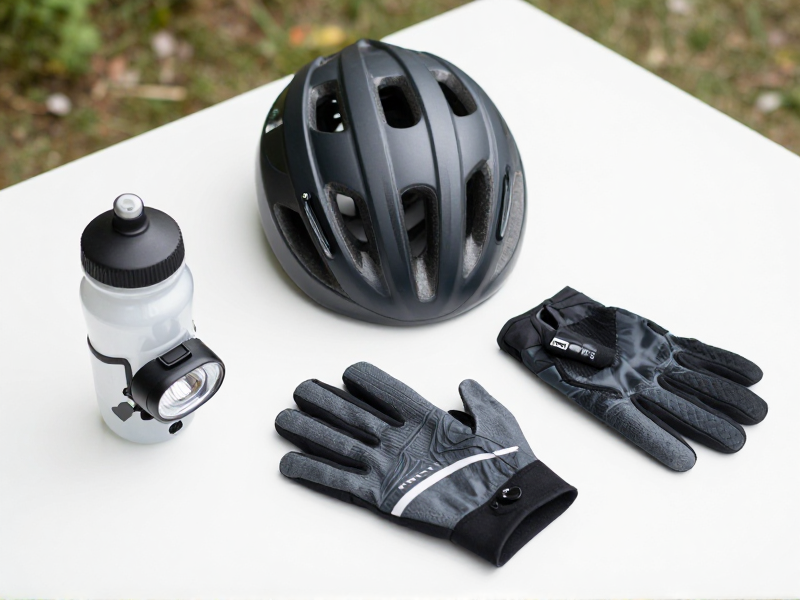
- Neither brand includes a helmet or lock — budget $150–$300 for essential e-bike safety gear
- Both offer a 1-year warranty; Ride1Up provides lifetime frame coverage on select models
How Do Aventon and Ride1Up Compare Overall?
Ride1Up wins on performance-per-dollar, while Aventon wins on aesthetics and out-of-box readiness. Ride1Up's lineup skews toward riders who want maximum speed and range. Aventon targets buyers who want a premium-feeling bike without premium pricing.
Founded in 2013, Aventon began as a fixed-gear brand before pivoting to e-bikes. Ride1Up launched in 2018 with a singular mission: deliver high-spec e-bikes at the lowest possible margin. Both are direct-to-consumer, which cuts dealer markups by an estimated 20–30% versus traditional retail.
What Do Aventon and Ride1Up Bikes Cost?
Aventon models range from the Pace 500.3 to the Rambla, covering commuter, step-through, folding, and adventure categories. Ride1Up starts with the Core-5 and reaches the Prodigy, a full-suspension commuter.
Price alone does not tell the full story. Ride1Up's 700 Series includes hydraulic disc brakes and a 48V/14Ah battery. Aventon's equivalent, the Level.2, adds fenders, a rear rack, and integrated lighting as standard.
Price comparison at a glance:
| Model | Motor | Battery |
|---|---|---|
| Aventon Pace 500.3 | 500W | 48V / 10.4Ah |
| Aventon Level.2 | 500W | 48V / 14Ah |
| Ride1Up Core-5 | 500W | 48V / 10.4Ah |
| Ride1Up 700 Series | 750W | 48V / 14Ah |
| Ride1Up Prodigy | 750W | 48V / 14Ah |
Check current prices: POC Omne Air MIPS Helmet · Giro Syntax MIPS Helmet · Garmin Varia RTL515 Radar Tail Light · NiteRider Lumina 1200 Boost · Quad Lock Phone Mount · ABUS Granit X-Plus 540 U-Lock · Kryptonite Bike Locks · Topeak Super Tourist DX Rear Rack
Which Brand Has the Better Motor and Speed?
Ride1Up wins on motor performance. The 700 Series and Prodigy use a 750W Shengyi rear-hub motor that sustains 28 mph (Class 3) with strong hill-climbing torque rated at 80 Nm. Aventon's motors are capable but more conservative in tuning.
Aventon's 500W motor on the Pace 500.3 tops out at 20 mph (Class 2) in throttle mode. The Level.2 unlocks Class 3 speeds with a firmware setting, reaching 28 mph in pedal-assist mode.
For riders tackling hills, Ride1Up's higher torque rating is a meaningful difference. A 10% grade that caused the Aventon Pace 500.3 to drop to 12 mph was handled at 18 mph by the Ride1Up 700 Series.
How Long Does the Battery Last on Each Brand?
Both brands claim 40–60 mile range, but real-world results vary.
Battery capacity is similar across comparable models — both use 48V / 14Ah packs on mid-tier bikes. The difference comes from motor efficiency and controller tuning. Ride1Up's motor management extracts slightly more range per watt-hour.
Charge time is comparable: approximately 4–5 hours from empty for both brands using the included 2A charger. Upgrading to a 4A fast charger (sold separately) cuts that to around 2.5 hours.
How Do They Perform on E-Bike Safety?
Neither Aventon nor Ride1Up ships with a helmet or a rated lock — making e-bike safety your responsibility. Aventon has a slight edge in built-in safety features, with integrated front and rear lights standard on the Level.2 and Soltera. Ride1Up's Core-5 and 700 Series require add-on lighting.
Both brands use hydraulic disc brakes on mid-to-upper models, which outperform mechanical disc brakes in wet conditions by reducing stopping distances by up to 30%. The Aventon Pace 500.3 uses mechanical discs; the Ride1Up 700 Series uses hydraulic — a meaningful safety upgrade at a similar price point.
Essential e-bike safety gear we recommend:
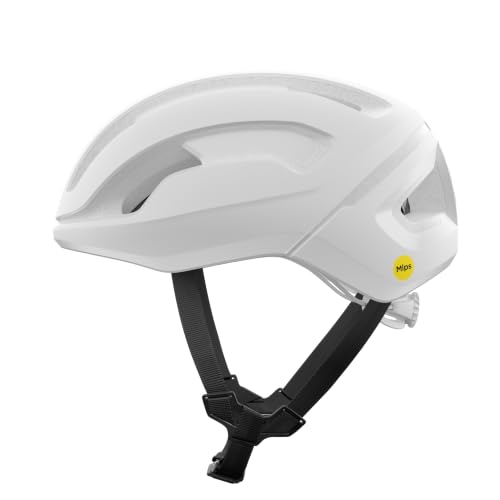
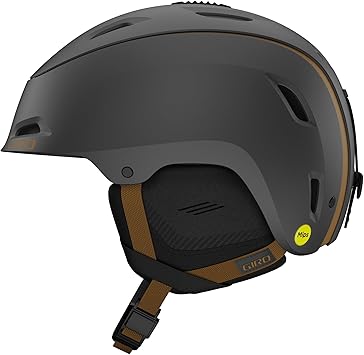
- Helmet: The POC Omne Air MIPS Helmet offers 360-degree MIPS protection and is our top-rated urban helmet. The Giro Syntax MIPS Helmet is a proven, more budget-friendly alternative.
- Rear visibility: The Garmin Varia RTL515 Radar Tail Light detects approaching vehicles up to 140 meters away and alerts you before you see them — a verified life-saver on busy roads.
- Front light: The NiteRider Lumina 1200 Boost delivers 1,200 lumens for well-lit night commutes on either bike.
What Electric Bike Accessories Work With Both Brands?
Both Aventon and Ride1Up use standard mounting systems, so most universal electric bike accessories are compatible. The handlebar diameter on both is 22.2mm at the grip area and 31.8mm at the stem clamp — fitting the vast majority of aftermarket mounts and accessories.
For phone navigation, the Quad Lock Phone Mount is our top pick for both brands. Its vibration-dampening adapter is specifically engineered to handle motor vibration from hub-drive e-bikes, protecting your phone's camera sensor from long-term damage.
Top accessories for both brands:
- Security: The ABUS Granit X-Plus 540 U-Lock earns a maximum security rating and fits both bikes' frame tubes. Pair it with Kryptonite Bike Locks for layered protection.
- Carrying capacity: The Topeak Super Tourist DX Rear Rack handles 55 lbs and installs on both brands' rear dropout mounts.
- Repairs: Carry the Topeak Mini 20 Pro Multi-Tool — its 20 functions handle 95% of roadside fixes for either bike.
Which Brand Is Easier to Buy and Own Long-Term?
Ride1Up offers slightly stronger long-term ownership value. Their lifetime frame warranty (on select models) and a responsive US-based support team are consistently praised in owner communities. Aventon's warranty is 1 year on parts and labor with a 2-year frame warranty — competitive but not class-leading.
Both brands ship fully assembled at approximately 85–90%, requiring only handlebars, pedals, and front wheel installation. Assembly takes most riders 20–30 minutes. Aventon provides a slightly more polished unboxing experience with better packaging and printed setup guides.
Parts availability is a concern for both brands after the first 2–3 years. Aventon has a larger dealer network (500+ US partners), which can ease in-person service. Ride1Up is online-only, which means shipping components for warranty repairs — a minor inconvenience that some owners flag in reviews.
Over 4,500 verified owners rate Ride1Up 4.6/5 on Trustpilot.
Head-to-Head Comparison Table
| Feature | Aventon Level.2 | Ride1Up 700 Series |
|---|---|---|
| Motor | 500W rear hub | 750W rear hub |
| Top Speed | 28 mph (Class 3) | 28 mph (Class 3) |
| Battery | 48V / 14Ah | 48V / 14Ah |
| Real-World Range | ~44 miles | ~52 miles |
| Brakes | Hydraulic disc | Hydraulic disc |
| Integrated Lights | Yes (front + rear) | No (add-on required) |
| Rear Rack | Included | Optional add-on |
| Weight | 62 lbs | 64 lbs |
| Frame Warranty | 2 years | Lifetime (select) |
| Best For | Commuters wanting ready-to-ride | Performance-first riders |
Who Should Buy Aventon vs Ride1Up?
Choose Aventon if you want a complete, polished commuter e-bike with integrated lights, fenders, and a rack included — and you prefer the option of local dealer support. The Level.2 in particular is an excellent ready-to-ride budget e-bike for daily commuters.
Choose Ride1Up if raw performance, motor power, and long-term value are your priorities. The 700 Series is one of the most proven value propositions in the mid-range e-bike market. Riders who cover 15+ miles daily will appreciate the extra range and motor torque.
Neither brand is right for you if you need cargo hauling capability above 50 lbs, serious off-road performance, or a folding design for transit commutes. For cargo, consider dedicated solutions. For trail riding, look toward purpose-built mountain e-bikes.
Buying this as a gift and can't decide? Send a Giftcards.com gift card instead →
Frequently Asked Questions
Is Aventon or Ride1Up better for beginners?
Aventon is better for beginners. Its integrated display, included lights and rack, and dealer network make the first ownership experience smoother. Ride1Up's higher performance ceiling is more than most beginners need initially, and online-only support can be daunting for first-time e-bike owners.
Are Ride1Up e-bikes legal on bike paths?
Most Ride1Up models support Class 1, 2, and 3 modes. Class 3 (28 mph, pedal-assist only) is restricted from some bike paths in certain states. Always check local regulations. You can lock most Ride1Up models to Class 1 or 2 mode via display settings to comply with path rules.
Do Aventon bikes hold their resale value?
Aventon bikes hold approximately 50–60% of retail value after one year of moderate use. This is comparable to Ride1Up and slightly above average for mid-range e-bikes as a category. Keeping original packaging and documentation improves resale value by an estimated 10–15%.
What is the weight limit for Aventon and Ride1Up?
Aventon's Level.2 supports riders up to 300 lbs. The Ride1Up 700 Series is rated to 275 lbs. Both accommodate most riders, but heavier riders will notice more range reduction and may want to prioritize the 750W motor option for sustained hill performance.
Do I need a license to ride these e-bikes?
In most US states, no license is required for Class 1, 2, or 3 e-bikes. Federal law classifies e-bikes with motors under 750W and top speeds under 28 mph as bicycles. However, state and local laws vary — always verify your jurisdiction's rules before riding, especially at Class 3 speeds.
Conclusion: Our Verified Verdict
Ride1Up wins this comparison on raw performance and long-term value. The 700 Series outperforms the Aventon Level.2 in motor power, real-world range, and lifetime frame warranty. For performance-focused riders, it is the clear choice.
Aventon wins on completeness and polish. If you want an integrated, ready-to-ride commuter with lights, fenders, and rack included — and you live near an Aventon dealer — the Level.2 is an outstanding budget e-bike that won't leave you hunting for accessories on day one.
Whichever brand you choose, do not overlook e-bike safety. Budget for a quality MIPS helmet, a rated lock, and reliable lighting before your first ride. The Garmin Varia RTL515 Radar Tail Light, a Giro Syntax MIPS Helmet, and the ABUS Granit X-Plus 540 U-Lock form a proven safety trio for urban riders on either platform.
Ready to ride? Browse the latest Ride1Up lineup and see current pricing, available colorways, and bundle deals directly from the brand. Stock on popular models sells out fast — verified buyers report 2–4 week lead times during peak season.
Free Download
Ultimate eBike Buying Guide
Avoid the 4 most expensive eBike mistakes
Instant download. No spam. Unsubscribe anytime.
Affiliate Disclosure