Product Comparison · Buying Guides
Belt Drive vs Chain Drive E-Bikes: Which Is Better for You?
FTC Disclosure: This article contains affiliate links. If you purchase through our links, we may earn a commission at no additional cost to you. This helps us keep eBike Revolt running and providing honest, independent r
FTC Disclosure: This article contains affiliate links. If you purchase through our links, we may earn a commission at no additional cost to you. This helps us keep eBike Revolt running and providing honest, independent reviews.
Choosing between a belt drive vs chain drive ebike is one of the most important decisions you'll make when buying an electric bike. Your drivetrain affects everything from maintenance schedules to how quietly you ride, yet most buyers overlook this critical component until they're dealing with a greasy chain or unexpected repair bills.
The difference between these two systems goes far beyond simple mechanics. Belt drives offer whisper-quiet operation and virtually zero maintenance, while chain drives provide proven reliability and easier repairs. Understanding which drivetrain matches your riding style, budget, and long-term goals can save you hundreds of dollars and countless hours of frustration.
This comprehensive guide breaks down the real-world performance, costs, and trade-offs between belt and chain drive systems so you can make the right choice for your next eBike.
Key Takeaways
- Belt drives require 90% less maintenance than chains, needing no lubrication or regular cleaning
- Chain drive eBikes cost $300-$800 less upfront but require $50-$150 annual maintenance
- Belts last 20,000-30,000 miles compared to chains at 2,000-3,000 miles before replacement
- Belt drives require internally geared hubs or specialized frames with breakaway dropouts
- Chain drives offer universal compatibility and roadside repair options worldwide
- Belt systems run 5-10 decibels quieter, ideal for urban commuters and noise-sensitive areas
What Is a Belt Drive E-Bike?
A belt drive eBike uses a carbon-fiber reinforced belt instead of a metal chain to transfer power from the pedals to the rear wheel. The belt runs over toothed sprockets similar to timing belts in car engines, creating a maintenance-free drivetrain that never needs lubrication. Belt drives require either an internally geared hub or a frame with a split or breakaway dropout to install the continuous belt loop.
Unlike chains that stretch and wear quickly, carbon belts maintain consistent tension for years. They're completely sealed systems that resist dirt, moisture, and road salt. Most belt drives use the Gates Carbon Drive system, which has become the industry standard since its introduction in 2007.
The technology originated in motorcycle and industrial applications where reliability matters more than weight. Modern eBike belts typically last 5-10 times longer than equivalent chains while remaining completely silent during operation.
What Is a Chain Drive E-Bike?
Chain drive eBikes use the traditional metal chain system found on bicycles for over a century. Metal links mesh with toothed sprockets on the crankset and rear wheel, transferring pedal power through a proven mechanical advantage system. This allows for multiple gears through derailleurs or internal hubs, giving riders extensive control over pedaling resistance.
Chains work with any standard bike frame and offer universal compatibility with replacement parts. You can find chain components at virtually any bike shop worldwide, making repairs straightforward and accessible. The system handles high torque loads effectively, which is why most high-performance eBikes still use chain drives.
However, chains require regular cleaning, lubrication, and eventual replacement. Exposed to the elements, they collect dirt and grime that accelerates wear. Most eBike chains need attention every 100-200 miles depending on riding conditions and climate.
How Does Belt Drive Maintenance Compare to Chain Drive?
Belt drives require virtually zero maintenance compared to chains, which need cleaning and lubrication every 100-200 miles. A carbon belt never needs oil, runs clean in all weather conditions, and typically lasts 20,000-30,000 miles before replacement. You'll spend less than 30 minutes per year on belt drive maintenance versus 2-4 hours monthly for chain systems.
Belt Drive Maintenance Requirements
Check belt tension every 500-1,000 miles using a simple smartphone app or tension gauge. The process takes under 5 minutes. Clean the belt occasionally with soap and water—no special degreasers or lubricants needed. That's essentially the complete maintenance schedule.
Gates recommends inspecting the belt for cuts or unusual wear annually. Most riders report going years without any maintenance beyond the occasional tension check. There's no messy chain grease to stain your clothes or require special cleaning products.
Chain Drive Maintenance Demands
Chains need cleaning and fresh lubricant every 100-200 miles in dry conditions, more frequently in wet or muddy environments. The process requires degreaser, chain cleaning tools, and appropriate lubricant. Budget 15-30 minutes per cleaning session.
Chain replacement becomes necessary every 2,000-3,000 miles for eBikes due to higher torque loads. Cassettes and chainrings wear out every 4,000-6,000 miles. Annual maintenance costs typically run $50-$150 depending on your riding frequency and whether you perform the work yourself.
Consider the Topeak Mini 20 Pro Multi-Tool for roadside chain repairs and adjustments. It's an essential tool for any chain-drive eBike owner.
What Are the Cost Differences Between Belt and Chain Systems?
Chain drive eBikes cost $300-$800 less initially, but belt drives save $200-$400 over five years through reduced maintenance and replacement costs. A quality belt drive system adds $400-$600 to an eBike's purchase price due to specialized frames and internal hub requirements. However, chains require multiple replacements and associated labor that quickly close the cost gap.
Upfront Investment Comparison
A mid-range chain drive commuter eBike from Ride1Up costs $1,299-$1,699 depending on the model. An equivalent belt drive model with internal hub gearing typically starts at $1,800-$2,200. The premium pays for the Gates Carbon Drive system, internally geared hub, and specialized frame construction.
Budget brands like Engwe and Heybike focus exclusively on chain drives to hit aggressive price points under $1,000. Belt drive systems rarely appear on eBikes below $1,500 due to component costs.
Long-Term Cost Analysis
Over 10,000 miles of riding, expect to replace a chain 3-4 times at $30-$50 each, plus 1-2 cassette replacements at $40-$80 each. Add cleaning supplies ($30/year) and occasional professional service ($50-$100 annually). Total five-year ownership cost for chain maintenance: $400-$700.
Belt drives need one tension adjustment annually (free if you do it yourself) and potentially one belt replacement after 20,000+ miles ($80-$120). Five-year maintenance cost: under $150. The belt drive pays for itself through reduced maintenance if you keep your eBike for 3+ years.
How Do Belt and Chain Drives Perform in Different Weather?
Belt drives excel in wet, snowy, and salty conditions because they don't rust or require lubricants that wash away in rain. Chains lose efficiency in wet weather as lubrication degrades, and they're particularly vulnerable to corrosion from road salt and coastal environments. Belt systems maintain consistent performance regardless of weather conditions.
Wet Weather Performance
Chains require specific wet-weather lubricants that resist water but attract more dirt. Even with proper lube, wet riding accelerates chain wear by 30-50%. After riding in rain, you should clean and re-lubricate the chain to prevent rust formation overnight.
Carbon belts are completely waterproof and unaffected by moisture. They don't rust, won't seize up, and require no post-rain maintenance. This makes belt drives ideal for year-round commuters in rainy climates like the Pacific Northwest or coastal regions.
Winter and Salt Exposure
Road salt destroys chains rapidly, often causing failure within a single winter season in heavy-salt areas. Stainless steel chains resist corrosion better but still require meticulous cleaning after every salt-exposed ride. Chain maintenance in winter becomes a weekly chore for serious riders.
Belts laugh at road salt. The carbon fiber construction is chemically inert and won't corrode. Many winter commuters switch to belt drives specifically to avoid the endless battle against salt-induced chain deterioration. No special winter maintenance needed.
Which Drivetrain Is Quieter?
Belt drives run 5-10 decibels quieter than chains, producing virtually silent operation that enhances the eBike riding experience. A well-maintained chain generates noticeable mechanical noise from metal-on-metal contact, while carbon belts create only a faint whisper even under heavy pedaling loads. This noise difference becomes especially apparent in urban environments and residential areas.
Noise Level Measurements
Fresh, properly lubricated chains measure 55-65 decibels during normal pedaling. As chains wear or dry out, noise increases to 70-75 decibels—comparable to normal conversation levels. The noise comes from chain links articulating over sprocket teeth and internal friction between pins and bushings.
Belt drives measure just 45-50 decibels, barely audible over ambient environmental noise. The smooth carbon fiber running over machined sprockets creates minimal friction and vibration. Many riders report that belt drives are so quiet they need to add other sounds to alert pedestrians of their approach.
Urban Riding Advantages
Quiet operation matters more than most riders initially realize. Belt drives let you hear traffic, pedestrians, and environmental hazards more clearly. You won't disturb neighbors during early morning or late evening commutes. The lack of mechanical noise creates a more peaceful, meditative riding experience.
For stealth commuting and apartment dwellers who store bikes indoors, the silent operation of belt drives prevents complaints. You can walk your eBike through hallways without the telltale chain rattle announcing your presence.
How Easy Are Belt vs Chain Drives to Repair?
Chain drives win decisively for repair convenience, offering universal parts availability and roadside fix capability that belts can't match. Any bike shop worldwide stocks standard chain components, and you can repair or replace a chain with basic tools in minutes. Belt drives require specialized parts, professional service, and often complete belt replacement even for minor issues.
Roadside Repair Scenarios
Chains allow field repairs with a simple chain tool and quick link. Break a chain mid-ride? You can shorten it by removing the damaged link and continue riding, though with reduced gearing options. Most bike multi-tools include chain breakers for this exact scenario.
The Topeak Mini 20 Pro provides all the tools needed for emergency chain repairs in a compact package that fits in your pocket.
Belt drives require professional service for any issues. If a belt breaks (rare but possible), you're walking or calling for pickup. The continuous belt loop means you can't shorten it or install a temporary fix. You need the exact replacement belt length and special tools to reinstall it properly.
Parts Availability and Cost
Walk into any bike shop in any country and they'll have replacement chains, quick links, and basic sprockets in stock. Chain components are standardized and interchangeable across most bikes. Replacement chains cost $15-$50, available everywhere from big-box stores to specialty shops.
Belt drive parts must be ordered from specific manufacturers—primarily Gates Carbon Drive. Belts come in precise lengths specific to your frame geometry. Replacement belts cost $80-$120, and you'll likely wait days or weeks for delivery. Sprockets are similarly specialized and expensive at $40-$80 each.
What Frame Requirements Do Belt Drives Have?
Belt drives require either a split/breakaway frame or horizontal dropouts because the continuous belt loop cannot thread through a standard diamond frame. The belt must slip over the rear sprocket during installation, which is impossible with traditional vertical dropouts and seat stays. This limitation means you can't easily convert most existing bikes to belt drive without frame modifications.
Frame Compatibility Issues
Standard bike frames have a closed rear triangle where the chain stays and seat stays connect to the dropouts. Chains use a master link that opens, allowing installation through this closed triangle. Belts are continuous loops without any opening mechanism.
Belt-compatible frames incorporate either:
- Breakaway dropouts that disconnect for belt installation
- Eccentric bottom brackets that adjust belt tension
- Full suspension designs with naturally open rear triangles
These specialized frame features add manufacturing complexity and cost, explaining part of the belt drive price premium.
Conversion Feasibility
Converting a chain drive eBike to belt drive is generally impractical unless your frame already has compatible features. Some riders attempt modifications by cutting and rejoining the chain stay, but this compromises frame integrity and voids warranties. Purpose-built belt drive frames are engineered specifically to handle the unique stresses of belt systems.
If you want belt drive benefits, plan to buy a bike designed for it from the start. Brands like Velotric offer modern eBikes with innovative designs, though most focus on traditional chain systems for broader market appeal.
Which System Offers Better Gear Range?
Chain drives provide superior gear range through traditional derailleur systems, offering 7-12 speeds with wider ratio spreads than internally geared hubs. Belt drives typically pair with 3-speed to 8-speed internal hubs, which limits gear range compared to external derailleurs. For most commuting and recreational riding, internal hub gears provide adequate range, but serious hill climbing or high-speed riding favors chains.
Derailleur Advantages
External derailleurs on chain systems offer 8, 9, 10, 11, or even 12-speed cassettes with gear ratios spanning 300-500% total range. This gives you ultra-low climbing gears and high-speed cruising gears in the same system. Competitive riders and mountain bikers prefer this flexibility.
Shifting is instantaneous with derailleurs—you change gears while pedaling under load. Multiple chainrings in front can double the gear range again, though most modern eBikes use single chainrings for simplicity.
Internal Hub Limitations
Belt drives require internally geared hubs like Shimano Nexus (8-speed), Rohloff Speedhub (14-speed), or enviolo (continuous variable). These sealed units protect gears from weather but limit total range to about 300-380% for most models. The premium Rohloff offers 526% range but costs $1,500+ for the hub alone.
Internal hubs shift while stopped, which is convenient at traffic lights but less responsive during active riding. The gear steps are also less evenly spaced than derailleur systems, creating larger jumps between gears that some riders find awkward.
How Does Weight Compare Between Systems?
Belt drive systems typically add 1-3 pounds compared to chain drivetrains when accounting for the internally geared hub required for belts. The carbon belt itself weighs slightly less than a chain (150-200g vs 250-300g), but internally geared hubs outweigh traditional cassette and derailleur setups by 2-4 pounds. For most eBike riders, this weight difference is negligible given the overall 50-70 pound bike weight.
Component Weight Breakdown
A standard 8-speed chain drivetrain (chain, cassette, derailleur, shifter) weighs approximately 800-1,000 grams total. A comparable belt drive system with Shimano Nexus 8-speed internal hub, belt, and sprockets weighs 1,200-1,500 grams. The hub alone accounts for most of the weight penalty.
Premium internal hubs like the Rohloff Speedhub weigh even more at 1,800 grams, but offer exceptional durability and gear range. However, the total weight difference remains under 5% of total eBike weight.
Weight Impact on Performance
For eBikes with 500-750W motors and 50-70 pound total weights, an extra 2-3 pounds from the drivetrain barely registers. The motor easily compensates for any weight difference. This contrasts with acoustic bikes where every gram matters for climbing and acceleration.
Weight becomes more relevant for folding eBikes that you carry upstairs or lift onto transit. Brands like Heybike and Engwe use lightweight chain systems partly to minimize folded weight for portability.
Which Drivetrain Is More Efficient?
Chain drives offer 1-2% better mechanical efficiency than belt drives when both are in optimal condition, but belts maintain consistent efficiency while chains degrade rapidly without maintenance. A clean, properly lubricated chain achieves 98-99% efficiency, while belt drives measure 96-98% efficient. However, dirty or dry chains drop to 85-90% efficiency, making real-world belt efficiency superior for low-maintenance riders.
Laboratory Efficiency Testing
New chains transfer power slightly more efficiently than belts due to the precise metal-on-metal engagement of chain links over sprocket teeth. The articulating chain design minimizes energy loss when properly maintained.
Belt drives lose marginal efficiency through friction between the carbon fiber belt teeth and sprocket grooves. The material flexibility creates slightly more energy absorption than rigid metal chains. This difference is measurable in laboratory conditions but negligible during actual riding.
Real-World Performance
Chains lose efficiency rapidly as lubrication degrades. A chain that's gone 300 miles without cleaning operates significantly less efficiently than a belt at any mileage. Most riders don't maintain chains optimally, meaning their real-world efficiency falls below belt drive performance.
Belts maintain consistent efficiency across their entire lifespan. There's no lubrication to degrade, no dirt buildup to create friction, and minimal wear until the belt reaches end-of-life. For practical purposes, belts deliver more consistent power transfer to the wheel.
What Are the Longevity Differences?
Belt drives last 20,000-30,000 miles before replacement while chains typically need changing every 2,000-3,000 miles on eBikes, giving belts a 7-10x longevity advantage. This dramatic difference stems from the fundamental material properties—carbon fiber reinforced belts resist wear far better than metal chains subjected to continuous articulation and environmental exposure. Over a bike's lifetime, you'll replace chains 8-10 times versus one belt replacement.
Belt Drive Lifespan
Gates Carbon Drive belts are rated for 20,000+ miles under normal conditions. Many commuters report 25,000-30,000 miles before replacement becomes necessary. The belts don't stretch, don't rust, and show minimal wear until they approach end-of-life, then degrade rapidly.
Belt sprockets also last significantly longer than chain components because the softer carbon belt causes less wear on the harder metal sprockets. Expect sprocket life of 40,000-50,000 miles or more.
Chain System Replacement Cycles
eBike chains carry higher torque loads than acoustic bike chains, accelerating wear. Most eBike chains show significant stretch by 2,000-2,500 miles, requiring replacement. Continuing to ride a stretched chain damages cassettes and chainrings, creating expensive cascade failures.
Cassettes typically last through 2-3 chain replacements (4,000-6,000 miles) before the worn teeth can't properly engage fresh chains. Chainrings last slightly longer at 6,000-8,000 miles. The cumulative replacement costs add up significantly over time.
Belt Drive vs Chain Drive E-Bikes: Comparison Table
| Feature | Belt Drive | Chain Drive |
|---|---|---|
| Upfront Cost | +$400-$600 | Baseline |
| Maintenance | Minimal (tension check yearly) | Clean/lube every 100-200 miles |
| Lifespan | 20,000-30,000 miles | 2,000-3,000 miles |
| Noise Level | 45-50 dB (nearly silent) | 55-75 dB (noticeable) |
| Weather Resistance | Excellent (waterproof, rustproof) | Poor (rusts, needs special lube) |
| Repair Difficulty | Requires professional service | Easy DIY with basic tools |
| Parts Availability | Limited (order from manufacturer) | Universal (any bike shop) |
| Weight | +1-3 lbs (due to internal hub) | Lighter |
| Gear Range | Limited by internal hub | Wide (7-12 speeds) |
| Efficiency | 96-98% (consistent) | 98-99% (when clean, drops to 85-90%) |
| Frame Requirements | Special (breakaway or split frame) | Standard (any frame) |
| Best For | Commuters, low-maintenance riders | Performance, touring, versatility |
Check current prices: Topeak Mini 20 Pro Multi-Tool · Ride1Up · Engwe · Heybike · Velotric · Kryptonite New York Fahgettaboudit Chain Lock · ABUS Granit X-Plus 540 U-Lock · Tile Pro GPS Tracker
Who Should Choose a Belt Drive E-Bike?
Choose a belt drive eBike if you're a daily commuter who values convenience over versatility, rides in harsh weather conditions, or wants to minimize maintenance time. Belt drives excel for urban riders who keep their bikes for 3+ years, accumulate high annual mileage, and prefer silent operation. They're ideal if you park in public spaces where greasy chains stain clothes or if you live in coastal or winter-salt environments.
Ideal Belt Drive Candidates
Daily commuters riding 10+ miles per day benefit most from belt drive durability and low maintenance. Over 3,000+ annual miles, you'll appreciate never cleaning or lubing your drivetrain. The quiet operation makes early morning and late evening rides more pleasant for you and your neighbors.
Riders who store bikes indoors value the clean, grease-free operation. No chain grease means no oil stains on carpets, hallways, or pant legs. This is particularly important for folding eBikes that come inside apartments or offices.
Year-round riders in rainy or snowy climates gain the most from weather resistance. If you face regular rain, road salt, or coastal moisture, belt drives eliminate the constant battle against corrosion and degraded lubrication.
When to Avoid Belt Drives
Skip belt drives if you need maximum gear range for serious hill climbing or high-performance riding. Competitive riders and mountain bikers require the wider ratios and lower climbing gears that only derailleurs provide.
Adventure touring riders should stick with chains for universal parts availability. If you're planning multi-week tours or riding in remote areas, the ability to repair or replace a chain anywhere in the world outweighs belt drive convenience.
Budget-conscious buyers on tight timelines might prefer chain drives to reduce initial purchase costs. If you're buying from value brands like Ride1Up, Engwe, or Heybike, you'll find more options in the chain-drive category.
Who Should Choose a Chain Drive E-Bike?
Choose a chain drive eBike if you need maximum versatility, priority, want the widest selection of models and price points, or require field-repair capability. Chains suit riders who enjoy mechanical tinkering, those on tight budgets, and anyone who values having repair options at any bike shop worldwide. They're the practical choice for touring, mountain biking, and situations where gear range matters more than convenience.
Ideal Chain Drive Candidates
Mountain bikers and performance riders need the wide gear range and instant shifting response that only derailleurs provide. Technical terrain demands precise gear selection that internal hubs can't match. The ability to shift under load is crucial for maintaining momentum on trails.
Touring cyclists and bike-packers require the universal repair capability chains offer. When you're 1,000 miles from home, finding a replacement chain at a local shop beats waiting weeks for specialty belt parts. Carrying spare chain links weighs ounces versus carrying an entire replacement belt.
Budget-focused buyers get more value from chain drive systems. Your dollar goes further toward motor power, battery capacity, and frame quality when you're not paying premiums for belt drive components. Brands like Velotric offer excellent chain-drive eBikes with modern features at competitive prices.
When to Avoid Chain Drives
High-mileage commuters who hate maintenance should reconsider chains. If the thought of monthly cleaning and lubrication sounds tedious, you'll be happier with a belt drive's set-it-and-forget-it operation. Neglected chains fail prematurely and create expensive cascade damage to other drivetrain components.
Fashion-conscious urban riders who wear work clothes while commuting may prefer belt drives to avoid chain grease stains. Professional attire and greasy chains don't mix well, especially when lifting bikes onto racks or dealing with unexpected chain drops.
Riders in heavy-salt winter environments face accelerated chain replacement cycles that make belts more economical long-term. If road salt is a regular concern, calculate your likely chain replacement frequency before committing to traditional drivetrains.
Essential Accessories for Both Drivetrain Types
Regardless of which drivetrain you choose, certain accessories enhance your eBike experience and protect your investment. Security becomes paramount with eBikes due to their higher value compared to traditional bicycles. Quality locks are essential, as is visibility equipment for safe commuting.
Security Essentials
Protect your belt or chain drive eBike with a premium lock. The Kryptonite New York Fahgettaboudit Chain Lock offers maximum security with its Sold Secure Diamond rating, making it nearly impossible for thieves to defeat. For a lighter option, the ABUS Granit X-Plus 540 U-Lock provides top-tier German engineering in a more portable package.
Add GPS tracking capability with the Tile Pro GPS Tracker to help recover your eBike if theft occurs. It's a small investment that dramatically increases recovery odds.
Visibility and Safety
Front lights are critical for safe riding. The NiteRider Lumina 1200 Boost provides powerful 1200-lumen illumination for dark commutes, while the Bontrager Ion Pro RT adds smart wireless connectivity.
Rear visibility gets a high-tech upgrade with the Garmin Varia RTL515 Radar Tail Light, which detects approaching vehicles and alerts you to traffic from behind—a game-changer for urban riding safety.
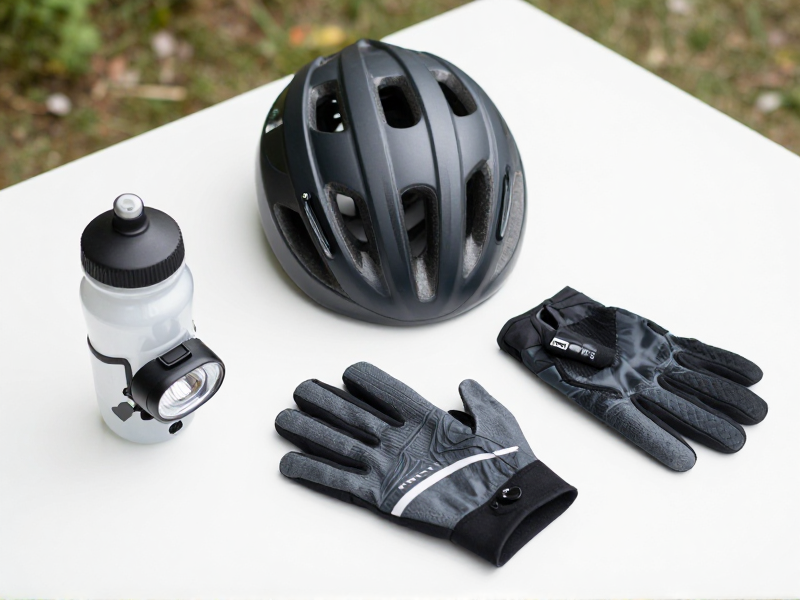
Protect your head with quality helmets like the Giro Syntax MIPS for urban riding or the premium POC Omne Air MIPS for maximum protection with 360-degree MIPS technology.
Cargo and Comfort
Expand your eBike's utility with the Topeak Super Tourist DX Rear Rack, rated for 55 pounds to handle serious cargo loads. Pair it with the Topeak MTX TrunkBag DXP for expandable storage, or choose the budget-friendly Rhinowalk Waterproof Panniers for weather-resistant hauling.
Reduce hand fatigue on long rides with Ergon GP1 Comfort Grips, and mount your phone securely with the Quad Lock Phone Mount, which features excellent vibration dampening to protect your device.
Frequently Asked Questions
Can I convert my chain drive eBike to belt drive?
Converting a chain drive eBike to belt drive is generally not practical unless your frame has specific compatibility features. Belt drives require either a split/breakaway dropout or horizontal dropouts to install the continuous belt loop. Standard frames with closed rear triangles cannot accommodate belt installation without cutting and modifying the frame, which compromises structural integrity and voids warranties. If you want belt drive benefits, purchase a bike designed for it from the start.
How often do belt drives actually need replacement?
Belt drives typically last 20,000-30,000 miles before requiring replacement, which translates to 5-10 years for most commuters. Gates Carbon Drive belts show minimal wear for most of their lifespan, then degrade relatively quickly when they approach end-of-life. You'll notice fraying on the belt edges or skipping under load as replacement time approaches. Annual tension checks help identify wear patterns early.
Do belt drives work with eBike motors?
Yes, belt drives work excellently with eBike motors and actually handle high torque better than many riders expect. The carbon fiber reinforcement provides exceptional strength for mid-drive and hub motor applications. Many premium eBike manufacturers specifically choose belt drives for their durability under motor-assisted loads. The lack of chain stretch means belt drives maintain efficient power transfer throughout their lifespan, even with powerful motors.
Are belt drives really maintenance-free?
Belt drives are extremely low-maintenance but not completely maintenance-free. You should check belt tension every 500-1,000 miles using a smartphone app or tension gauge, which takes under 5 minutes. Occasionally clean the belt with soap and water to remove debris. Inspect annually for cuts or unusual wear. This minimal maintenance schedule—totaling perhaps 30 minutes yearly—is dramatically less demanding than chain drives requiring cleaning and lubrication every 100-200 miles.
What happens if a belt breaks while riding?
Belt breaks are extremely rare with quality systems like Gates Carbon Drive, but if it happens, you're essentially stranded and need to call for pickup or walk. Unlike chains, you cannot perform field repairs on belts—they're continuous loops without connection points. The belt must be completely replaced, which requires removing the rear wheel and accessing the breakaway dropout. This is one of the few significant disadvantages of belt systems compared to chains that can be temporarily repaired roadside with basic tools.
Conclusion: Making Your Belt vs Chain Decision
The belt drive vs chain drive ebike decision ultimately comes down to your riding priorities and long-term ownership plans. Belt drives win decisively for low-maintenance commuters who value silent operation, weather resistance, and minimal upkeep over the bike's lifetime. They're the smart choice if you're investing in a quality eBike you plan to keep for 5+ years and ride regularly in challenging weather conditions.
Chain drives remain the practical choice for budget-conscious buyers, riders who need maximum gear range, and anyone who values universal repair capability and parts availability. They offer unmatched versatility and the widest selection of eBike models across all price points and styles.
Both systems work exceptionally well for their intended purposes. Your decision should reflect your actual riding patterns, maintenance preferences, and budget constraints. Consider your typical riding environment, how long you plan to keep the bike, and whether convenience or versatility matters more to your cycling lifestyle.
Ready to find your perfect eBike? Explore our comprehensive guides to commuter eBikes, budget options, and buying guides to discover which models match your needs. Don't forget essential accessories like quality locks from Kryptonite to protect your investment.
Free Download
Ultimate eBike Buying Guide
Avoid the 4 most expensive eBike mistakes
Instant download. No spam. Unsubscribe anytime.
Affiliate Disclosure