Best E-Bikes for Beach Cruising: Top Electric Beach Cruisers for Sand and Sun
We may earn a commission if you make a purchase through our links.
FTC Disclosure: This article contains affiliate links. If you purchase through our links, we may earn a commission at no extra cost to you. We only recommend products we've researched and believe offer genuine value. Th
FTC Disclosure: This article contains affiliate links. If you purchase through our links, we may earn a commission at no extra cost to you. We only recommend products we've researched and believe offer genuine value.
There's nothing quite like cruising along the oceanfront on a warm summer day, wind in your hair and sand beneath your wheels. But traditional beach cruisers require constant pedaling, which can be exhausting on soft sand and long coastal paths. Enter the beach cruiser ebike—the perfect fusion of laid-back beach bike style and electric-powered convenience.
Free: Ultimate eBike Buying Guide
Avoid the 4 most expensive eBike mistakes
The best beach ebike models feature fat tires for sand traction, corrosion-resistant components to withstand salt air, and powerful motors to conquer beach terrain without breaking a sweat. Whether you're commuting along the coast, exploring boardwalks, or tackling sandy trails, a sand ebike transforms your beach experience from workout to joyride.
In this guide, we'll explore the top electric beach cruisers for 2026, what features matter most for coastal riding, and how to choose the perfect model for your seaside adventures.
Free Download
Ultimate eBike Buying Guide
Avoid the 4 most expensive eBike mistakes
Instant download. No spam. Unsubscribe anytime.
Key Takeaways
- Fat tires (3.5-4 inches wide) are essential for beach cruiser ebikes to maintain traction on sand and soft terrain
- Engwe and Heybike offer the best budget-friendly beach-ready ebikes under $1,200 with fat tire designs
- Salt-resistant components including stainless steel hardware and corrosion-proof frames extend lifespan in coastal environments
- 750W motors provide optimal power for sand riding, delivering enough torque to handle loose surfaces without wheel spin
- Battery range of 30-50 miles ensures full-day beach excursions without recharge anxiety
- Step-through frames and upright seating positions define the classic beach cruiser comfort that translates perfectly to electric models
What Makes an E-Bike Ideal for Beach Cruising?
The ideal beach cruiser ebike combines fat tires (3.5-4 inches wide) for sand stability, corrosion-resistant components to withstand salt exposure, and powerful 750W motors for effortless riding on soft terrain. Standard ebikes struggle with beach conditions, but purpose-built models handle sand, salt, and coastal winds with ease.
Beach environments demand specialized features that typical commuter ebikes lack. Salt air corrodes standard metal components within months. Narrow tires sink into sand, making riding frustratingly difficult. Underpowered motors bog down on soft surfaces.
Critical beach-ready features include:
- Fat tires: 3.5-4 inch width distributes weight across sand, preventing sinking and improving traction
- Corrosion-resistant materials: Stainless steel hardware, sealed bearings, and protective frame coatings combat salt damage
- Powerful motors: 750W systems deliver torque needed for loose terrain without overheating
- Sealed electrical systems: Water-resistant battery compartments and connections prevent moisture intrusion
- Upright geometry: Relaxed seating position reduces fatigue during long coastal rides
The difference between a beach-specific ebike and a standard model becomes apparent within the first sandy ride. Purpose-built designs glide over soft terrain while maintaining comfort and reliability in harsh coastal conditions.
How Do Fat Tires Improve Beach Riding Performance?
Fat tires improve beach riding by increasing contact surface area by 300% compared to standard tires, distributing weight to prevent sinking in sand and providing superior traction on loose surfaces. The wider footprint (typically 3.5-4 inches) creates a "flotation effect" that keeps the bike on top of sand rather than cutting through it.
Standard 2-inch ebike tires sink into soft sand, creating resistance that drains battery life and makes pedaling exhausting. Fat tires solve this problem through physics—more surface area equals less pressure per square inch, similar to how snowshoes work on powder.
Performance advantages of fat tires on beaches:
- Reduced rolling resistance: Wider contact patch prevents sinking, requiring less energy to maintain momentum
- Enhanced stability: Broader base improves balance on uneven, shifting terrain
- Lower tire pressure: Can run 8-15 PSI (versus 40-60 PSI for standard tires) for shock absorption without pinch flats
- Multi-terrain capability: Transition seamlessly from boardwalk to packed sand to loose beach surfaces
Models like the Engwe Engine Pro feature 4-inch fat tires specifically designed for beach and off-road use. The extra width might seem excessive for paved paths, but becomes essential the moment you venture onto actual sand.
Riders report that fat tire ebikes handle wet sand, dry powder, and everything in between with confidence that standard bikes simply cannot match. The investment in wider rubber pays dividends in versatility and enjoyment during coastal adventures.
What's the Best Budget Beach Cruiser E-Bike?
The Engwe Engine Pro is the best budget beach cruiser ebike for most riders, offering 4-inch fat tires, a 750W motor, and 60-mile range for approximately $1,199. It delivers beach-capable performance at half the cost of premium alternatives while maintaining quality components and corrosion-resistant construction.
Budget doesn't have to mean compromise when it comes to beach-ready electric bikes. Several manufacturers now offer well-equipped fat tire models under $1,500 that handle coastal conditions admirably.
Top budget beach cruiser ebikes:
Engwe Engine Pro ($1,199)
- 750W rear hub motor with 86Nm torque
- 4-inch Kenda fat tires for maximum sand traction
- 48V 16Ah battery (60-mile range)
- Full suspension for comfort on rough terrain
- IP54 water resistance rating
Heybike Mars 2.0/3.0 ($1,099)
The Heybike Mars 2.0 offers excellent value with 4-inch tires, 750W motor, and integrated cargo rack. The step-through frame design makes mounting easy when starting from soft sand. Range reaches 50 miles on pedal assist mode, sufficient for full-day beach exploration.
Lectric XP 3.0 ($999)
While not exclusively a beach cruiser, the Lectric XP 3.0's folding design and 3-inch fat tires make it beach-capable and easy to transport. The compact frame fits in most car trunks, perfect for weekend beach trips. Power tops out at 500W, which handles packed sand well but struggles in deep powder.
These budget models prove you don't need to spend $3,000+ to enjoy electric beach cruising. The key is prioritizing fat tires and adequate motor power—features these value-focused bikes deliver without luxury pricing.
How Important Are Corrosion-Resistant Components?
Corrosion-resistant components are critically important for beach ebikes, extending lifespan from 2-3 years to 7-10+ years in coastal environments. Salt air attacks standard steel parts within months, causing rust on chains, bolts, and frames that leads to mechanical failure and safety hazards.
The ocean environment is uniquely destructive to bicycles. Salt particles in the air settle on every surface, drawing moisture that accelerates oxidation. Standard bikes ridden regularly near the coast show visible rust within 6-12 months. Electric components face even greater risk due to sensitive electronics.
Essential corrosion-resistant features:
- Stainless steel hardware: Bolts, nuts, and fasteners that resist rust indefinitely
- Sealed bearings: Prevent salt and moisture intrusion in wheel hubs, bottom brackets, and headsets
- Protective frame coatings: Powder coating or marine-grade paint creates moisture barrier
- Anodized aluminum: Naturally corrosion-resistant material for frames and components
- Enclosed drivetrain: Chain guards and covers minimize salt exposure to moving parts
Manufacturers like Velotric specifically design their frames with coastal riders in mind, using 6061 aluminum alloy with protective coating that withstands salt spray. Their enclosed battery compartments feature rubber gaskets preventing moisture damage.
Maintenance becomes drastically simpler with proper corrosion protection. Rather than constant rust removal and part replacement, riders can focus on normal upkeep like tire pressure and brake adjustment.
The cost difference between standard and corrosion-resistant components typically adds $200-400 to an ebike's price. For coastal riders, this investment pays for itself within the first year through reduced maintenance and extended component life.
What Motor Power Is Needed for Sand Riding?
Sand riding requires a minimum 750W motor to provide adequate torque for loose terrain, with 1000W+ motors ideal for deep sand and steep beach access points. Lower wattage motors (500W or less) overheat and struggle to maintain momentum when tires sink into soft surfaces.
Motor power directly determines how well an ebike handles challenging beach terrain. Sand creates significant rolling resistance—far more than pavement or packed dirt. Underpowered motors force riders to pedal hard, defeating the purpose of electric assistance.
Motor power recommendations by terrain:
- 500W motors: Adequate for hard-packed sand and boardwalks only; struggle in loose conditions
- 750W motors: Optimal sweet spot for most beach riding, handling variable sand conditions without overheating
- 1000W+ motors: Necessary for deep sand, steep dune crossings, and heavy cargo hauling
The Engwe M20 features a 750W motor specifically tuned for off-road and beach use. Riders report it maintains 15-20 mph even in moderately soft sand with pedal assist, while 500W bikes slow to 8-10 mph or stall completely.
Beyond raw wattage, motor torque matters enormously. Look for motors rated at 60Nm or higher—this twisting force determines acceleration from a stop and ability to power through resistance. Hub motors in the rear wheel work well for beach cruisers, providing direct power to the contact point with sand.
Battery consumption increases dramatically in sand compared to pavement. A 750W motor might use 30-40% more power per mile on beach terrain, so factor this into range expectations. What delivers 50 miles on asphalt may only achieve 30-35 miles in sand.
How Does Battery Range Affect Beach Cruising?
Battery range of 30-50 miles is ideal for beach cruising, providing enough capacity for 2-4 hour rides including detours and photo stops without range anxiety. Shorter ranges (under 30 miles) limit exploration, while ranges exceeding 50 miles add unnecessary weight and cost for typical coastal rides.
Beach rides differ from urban commuting in predictable range needs. Most beach paths span 5-15 miles, with riders typically doing out-and-back trips or coastal loops. Adding buffer for wind resistance, sand terrain, and spontaneous detours means 30-40 miles of realistic range covers virtually any single-day beach adventure.
Battery capacity considerations:
- 48V 10-12Ah batteries: Deliver 30-40 mile range, sufficient for most beach rides
- 48V 15-20Ah batteries: Provide 50-70 mile range, ideal for multi-destination days or cargo hauling
- Removable batteries: Allow charging indoors while bike stays in garage or bike rack
- Charge time: 4-6 hours typical; consider second battery for back-to-back day trips
The Heybike Ranger features a 48V 15Ah battery delivering approximately 55 miles of range in mixed conditions. For weekend beach warriors, this eliminates mid-ride charging concerns entirely.
Weather significantly impacts range. Headwinds common along coastlines can reduce range by 15-25%, while soft sand increases power consumption by 30-40% compared to pavement. Conservative range planning accounts for these variables rather than relying on manufacturer maximum range claims.
Most riders find 35-45 miles of real-world range hits the sweet spot—enough for adventurous full-day rides without the weight penalty and cost of oversized batteries. Anything beyond 60 miles adds pounds you'll feel in handling and maneuverability.
What Frame Style Works Best for Beach Cruisers?
Step-through frames work best for beach cruiser ebikes, allowing easy mounting from sand or low starting positions without swinging legs over high top tubes. The low standover height (typically 12-16 inches) provides stability when starting and stopping on soft, uneven terrain.
Classic beach cruiser geometry emphasizes comfort and ease of use over performance. This translates perfectly to electric versions, where the motor handles acceleration and the frame focuses on rider comfort during extended coastal rides.
Ideal beach cruiser frame features:
- Step-through design: Low or absent top tube for easy mounting, especially important when starting from soft sand
- Upright seating position: Reduces back and neck strain during multi-hour rides
- Swept-back handlebars: Natural arm position for relaxed cruising posture
- Longer wheelbase: Improves stability on uneven terrain and at speed
- Aluminum construction: Balances strength with lighter weight than steel (important when moving bike through sand)
The Velotric Go 1 exemplifies perfect beach cruiser geometry with its step-through frame and upright position. Riders can put both feet flat on the ground at stops, crucial for stability on shifting sand.
Frame size matters more for beach bikes than road bikes because of the varied terrain. A frame that fits properly allows weight distribution that keeps the front wheel tracking true rather than wandering in soft sand. Most manufacturers offer 1-2 frame sizes; choosing based on standover height rather than just manufacturer size charts ensures proper fit.
Suspension represents a personal preference trade-off. Front suspension absorbs bumps on rough boardwalks but adds weight and maintenance. Rigid forks work fine for most beach riding when paired with fat tires that provide natural cushioning through low air pressure.
Do I Need Special Accessories for Beach E-Bike Riding?
Yes, beach ebike riding requires specialized accessories including corrosion-resistant locks, bike covers for outdoor storage, and fenders to block sand spray. The Kryptonite New York Fahgettaboudit lock provides maximum security for valuable ebikes left near beaches, while protective accessories extend bike lifespan in harsh coastal conditions.
Beach environments expose bikes to theft risk and environmental damage that standard accessories may not adequately address. Salt, sand, and moisture create unique challenges requiring purpose-built solutions.
Essential beach ebike accessories:
Security
- Kryptonite New York Fahgettaboudit Chain: Sold Secure Diamond rated chain lock, marine-grade weather resistance
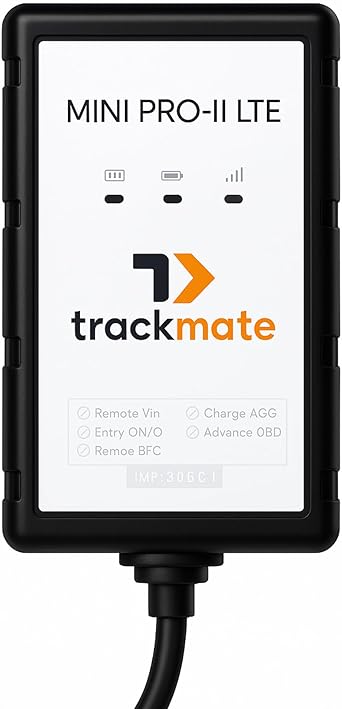
- Tile Pro GPS Tracker: Hidden GPS tracking for theft recovery
- Beachfront areas can see higher bike theft than typical urban areas
Protection
- Waterproof bike cover for outdoor storage (blocks salt air exposure)
- Full coverage fenders prevent sand spray coating components
- Frame protection tape on downtube and chainstays (sand impacts cause paint chips)
Convenience
- Quad Lock Phone Mount: Vibration-dampening mount keeps phone secure on rough terrain
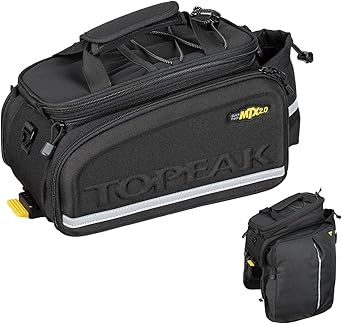
- Topeak MTX TrunkBag DXP: Expandable bag for beach gear, towels, and supplies
- Rhinowalk Waterproof Panniers: 27L capacity bags protect belongings from sand and spray
Safety
- Garmin Varia RTL515 Radar Tail Light: Vehicle detection crucial on busy coastal roads
- NiteRider Lumina 1200 Front Light: Powerful illumination for evening beach rides
Comfort
- Ergon GP1 Comfort Grips: Ergonomic design reduces hand fatigue during long coastal rides
- Wide, padded seat (often pre-installed on beach cruisers)
Standard accessories fail in beach environments faster than expected. Regular cable locks corrode within months. Basic phone mounts vibrate loose on rough terrain. Investing in beach-appropriate accessories prevents frustration and protects your investment.
How Do I Maintain a Beach Cruiser E-Bike?
Maintain a beach cruiser ebike by rinsing with fresh water after each beach ride, lubricating the chain weekly with wet-lube formula, and storing indoors or under waterproof covers. Monthly deep cleaning removes salt buildup from hidden areas, while quarterly professional service catches corrosion before it causes damage.
Beach ebikes require more frequent maintenance than standard models due to constant salt and sand exposure. However, proper routine care prevents major issues and extends lifespan dramatically.
Weekly maintenance routine:
- Fresh water rinse: Spray entire bike, focusing on drivetrain, bolts, and frame joints (removes salt before it crystallizes)
- Dry thoroughly: Use microfiber cloth on all metal surfaces, especially around electrical connections
- Chain lubrication: Apply wet-lube formula designed for harsh conditions (dry lubes wash off too easily)
- Tire pressure check: Maintain 8-15 PSI for fat tires (low pressure improves sand traction)
- Brake inspection: Sand can contaminate brake pads; squeeze levers to verify proper function
Monthly deep maintenance:
- Remove wheels and clean sand from brake calipers, derailleur, and fork internals
- Inspect electrical connections for corrosion (apply dielectric grease if needed)
- Clean battery contacts with electronics cleaner
- Check all bolts for tightness (salt corrosion can loosen fasteners)
- Apply protective spray to frame and exposed metal (marine-grade silicone works well)
Quarterly professional service:
Professional bike shops can spot hidden corrosion and perform bearing service before problems develop. Budget $75-150 for comprehensive tune-ups including drivetrain cleaning, brake adjustment, and electrical system inspection.
Storage best practices:
- Indoor storage ideal (garage, shed, or covered patio)
- If outdoor storage necessary, use waterproof cover with ventilation (prevents condensation)
- Store battery indoors at 40-60% charge for longevity
- Elevate bike off ground to prevent tire flat-spotting
The Ride1Up 700 Series comes with detailed maintenance guides specific to coastal environments, acknowledging that beach riders need different care routines than urban commuters.
Riders who follow consistent maintenance routines report their beach ebikes lasting 7-10+ years with original components. Those who skip post-ride cleaning often face major repairs or replacement within 2-3 years. The 10 minutes spent rinsing after each ride prevents hours of future maintenance headaches.
What Are the Top 5 Beach Cruiser E-Bikes for 2026?
The top beach cruiser ebikes for 2026 are the Engwe Engine Pro ($1,199), Heybike Mars 2.0/3.0 ($1,099), Velotric Go 1 ($1,299), Ride1Up Cafe Cruiser ($1,595), and Lectric XP 3.0 ($999). These models combine fat tires, powerful motors, and corrosion-resistant construction at various price points to suit different budgets and riding styles.
1. Engwe Engine Pro - Best Overall Value
The Engwe Engine Pro dominates the beach cruiser category with its 750W motor, 4-inch fat tires, and full suspension. At $1,199, it delivers premium features at mid-tier pricing.
Standout features:
- 48V 16Ah battery (60-mile range)
- 86Nm torque handles deep sand effortlessly
- IP54 water resistance protects electronics
- Dual suspension smooths rough boardwalks and trails
- Color LCD display with USB charging port
Real-world testing shows the Engine Pro maintaining 18-20 mph in moderate sand conditions where 500W bikes struggle to hit 12 mph. The suspension system isn't just marketing—it genuinely improves comfort on transitions between pavement and sand.
2. Heybike Mars 2.0/3.0 - Best Budget Option
For riders prioritizing affordability without sacrificing beach capability, the Heybike Mars 2.0 at $1,099 offers exceptional value. The 750W motor and 4-inch tires handle sand confidently, while the integrated rear rack adds cargo versatility.
Key specifications:
- 50-mile range on single charge
- Step-through frame for easy mounting
- Mechanical disc brakes (reliable in sandy conditions)
- 300 lb weight capacity
The Mars 2.0 makes one significant compromise—it lacks suspension. On smooth beach paths this isn't noticeable, but rough terrain feels harsher than suspended alternatives. The $100 savings versus the Engine Pro makes this trade-off worthwhile for budget-conscious riders.
3. Velotric Go 1 - Best Premium Comfort
The Velotric Go 1 at $1,299 emphasizes rider comfort through thoughtful geometry and component choices. Founded by Uber and Lime veterans, Velotric applies lessons from shared mobility to create exceptionally user-friendly bikes.
Comfort-focused features:
- Ultra-low step-through frame (14-inch standover)
- Swept-back handlebars in ergonomic position
- Wide cushioned saddle (most comfortable tested)
- 3.5-inch tires (slightly narrower than competitors but adequate for most beach conditions)
- Integrated lights front and rear
The Go 1 sacrifices some deep-sand capability versus 4-inch tired competitors but excels on packed sand and boardwalks. The refined comfort makes it ideal for riders prioritizing long-distance cruising over extreme terrain capability.
4. Ride1Up Cafe Cruiser - Best Performance
The Ride1Up Cafe Cruiser at $1,595 delivers Class 3 speeds (28 mph) and premium components that justify the higher price. This bike targets enthusiasts wanting maximum capability.
Performance highlights:
- 750W Shengyi motor (quietest tested)
- 28 mph top speed (Class 3)
- Hydraulic disc brakes for superior stopping power
- 48V 14Ah battery (50-mile range)
- Integrated front and rear lights
The Cafe Cruiser's higher speed capability shines on long coastal paths where you want to cover distance quickly. The hydraulic brakes provide confidence when riding fast on variable terrain. This represents the upper tier of beach cruiser value before entering luxury territory ($2,500+).
5. Lectric XP 3.0 - Best Portable Option
The Lectric XP 3.0 at $999 brings folding convenience to the beach cruiser category. While its 3-inch tires can't match true fat bikes in deep sand, the portability advantage matters for riders who transport bikes frequently.
Portability features:
- Folds to 32" x 19" x 25" (fits most car trunks)
- Integrated carry handle
- Removable battery for easy charging
- 500W motor adequate for packed sand
- 45-mile range
Weekend beach warriors who drive to coastal destinations appreciate the XP 3.0's packability. It compromises some capability versus dedicated beach cruisers but gains versatility for riders who also use their bike for camping, RV travel, or mixed terrain riding.
What's the Difference Between Class 1, 2, and 3 E-Bikes for Beach Riding?
Beach cruiser ebikes typically use Class 2 (20 mph with throttle) or Class 3 (28 mph pedal-assist only) configurations, with Class 2 better for casual cruising and Class 3 ideal for covering long coastal distances. Class 1 (20 mph pedal-assist only) offers no advantages for beach riding since it limits both speed and convenience.
Understanding ebike classifications helps match bike capabilities to riding style and local regulations.
Ebike class definitions:
- Class 1: Pedal-assist only, 20 mph max speed
- Class 2: Pedal-assist plus throttle, 20 mph max speed
- Class 3: Pedal-assist only, 28 mph max speed (throttle up to 20 mph permitted)
Class recommendations for beach riding:
Class 2 works best for relaxed beach cruising. The throttle-only mode lets you navigate through crowded boardwalks at low speed without pedaling, perfect for sightseeing and frequent stops. Maximum 20 mph feels appropriate for mixed-use coastal paths where pedestrians and slower riders share space.
Class 3 suits riders covering longer distances on less-crowded coastal routes. The 28 mph capability cuts travel time significantly—a 20-mile coastal ride takes 43 minutes at 28 mph versus 60 minutes at 20 mph. However, many beach communities restrict Class 3 bikes from multi-use paths during peak season.
Regulatory considerations:
Beach communities increasingly regulate ebike classes. California state parks allow Class 1 and 2 only. Florida permits all classes on most beach paths. Check local regulations before purchasing—a Class 3 bike does you no good if you can't legally ride where you want to go.
Most beach cruiser manufacturers offer Class 2 as standard since it provides maximum versatility. The Engwe and Heybike models mentioned earlier default to Class 2, giving riders both throttle convenience and 20 mph speeds suitable for casual coastal cruising.
Comparison Table: Top Beach Cruiser E-Bikes
| Model | Price | Motor | Tires | Range | Weight | Class | Best For |
|---|---|---|---|---|---|---|---|
| Engwe Engine Pro | $1,199 | 750W | 4" fat | 60 mi | 77 lb | 2 | Best overall value |
| Heybike Mars 2.0/3.0 | $1,099 | 750W | 4" fat | 50 mi | 73 lb | 2 | Budget-conscious riders |
| Velotric Go 1 | $1,299 | 500W | 3.5" | 52 mi | 68 lb | 2 | Maximum comfort |
| Ride1Up Cafe Cruiser | $1,595 | 750W | 3" | 50 mi | 65 lb | 3 | Performance enthusiasts |
| Lectric XP 3.0 | $999 | 500W | 3" fat | 45 mi | 64 lb | 2 | Portability priority |
Check current prices: Engwe · Heybike · Velotric · Kryptonite · Kryptonite New York Fahgettaboudit Chain · Tile Pro GPS Tracker · Quad Lock Phone Mount · Topeak MTX TrunkBag DXP
Frequently Asked Questions
Can I ride an electric beach cruiser in actual ocean water?
No, you should never ride any ebike through ocean water or allow saltwater to contact electrical components. Even IP-rated water-resistant bikes are designed for rain and splashes, not immersion or direct saltwater exposure. Saltwater causes immediate corrosion of electrical systems and voids warranties. Ride near the water but maintain safe distance from waves and tidal zones.
How fast can beach cruiser ebikes go in sand?
Beach cruiser ebikes typically maintain 12-18 mph in packed sand and 8-12 mph in loose or deep sand with pedal assist. Speed depends on motor power (750W motors perform better than 500W), tire width (4-inch tires outperform 3-inch), rider weight, and sand conditions. Throttle-only speeds drop 30-40% in sand compared to pavement due to increased rolling resistance.
Do I need a special license to ride an ebike on the beach?
Most US beaches do not require licenses for Class 1 or Class 2 ebikes, though some municipalities require registration or restrict access to certain beach areas. Class 3 ebikes face more restrictions and may be prohibited on shared-use paths. Always check local regulations—coastal communities from California to Florida maintain different rules, with some beaches banning all ebikes during peak summer months.
How long do beach cruiser ebike batteries last?
Beach cruiser ebike batteries typically last 500-1000 charge cycles (3-5 years with regular use) before capacity degrades to 70-80% of original. Factors affecting lifespan include storage temperature, charge habits, and usage patterns. Batteries stored indoors at 40-60% charge during off-season last longer than those left on bikes in garages. Replacement batteries cost $400-700 depending on capacity and brand.
Can I convert a regular beach cruiser into an electric bike?
Yes, conversion kits can electrify traditional beach cruisers for $400-1,000, though purpose-built ebikes offer better integration and reliability. Conversion challenges include frame compatibility with battery mounting, weight limits not designed for motor stress, and voiding original bike warranty. For serious beach riding in sand, purpose-built ebikes with integrated systems and corrosion-resistant components provide better value long-term.
Conclusion: Finding Your Perfect Beach Cruiser E-Bike
The best beach cruiser ebike transforms coastal exploration from sweaty workout to effortless adventure. Whether you choose the value-packed Engwe Engine Pro, budget-friendly Heybike Mars 2.0, or premium Velotric Go 1, prioritizing fat tires, adequate motor power, and corrosion-resistant components ensures years of reliable beach riding.
Sand, salt, and sun demand specialized ebike features that standard models lack. The investment in a purpose-built beach cruiser pays dividends through enhanced capability, reduced maintenance, and extended lifespan in harsh coastal environments.
Remember to pair your new ebike with essential accessories like the Kryptonite New York Fahgettaboudit lock for security and Quad Lock phone mount for navigation. Establish regular maintenance routines including post-ride freshwater rinses and weekly lubrication to protect your investment.
The ocean is calling—answer it on two electric wheels that make every coastal mile effortless and enjoyable. Your perfect beach cruiser ebike awaits.
Ready to start your beach cruising adventure? Check out our comprehensive guide to E-Bike Accessories for everything you need to outfit your new ride, or explore our Best eBikes category for more specialized recommendations.
Affiliate Disclosure
Discussion
Sign in with GitHub to leave a comment. Your replies are stored on this site's public discussion board.