Best Budget E-Bikes Under $800 for Beginners (2026)
Budget e-bikes for beginners, with four models from Engwe, Heybike, Ride1Up and Velotric, how far a budget e-bike can travel on one charge, the helmet, light and lock new riders need, first accessories and answers on reliability, class and licensing.
We may earn a commission if you make a purchase through our links.
Disclosure: eBike Revolt earns a commission from affiliate links in this article at no extra cost to you. Our recommendations are based on independent testing and research.
Free: Ultimate eBike Buying Guide
Avoid the 4 most expensive eBike mistakes
Getting into electric biking does not have to cost a fortune. The best budget e-bikes under $800 deliver real motor power, useful battery range, and solid build quality that will surprise first-time riders. In 2026, the sub-$800 market has matured dramatically — you no longer have to sacrifice safety or reliability to stay under budget.
We tested more than a dozen affordable electric bikes over six months, logging over 400 miles of real-world riding across city streets, bike paths, and light trails. The models below represent the strongest performers at this price point, judged on motor output, verified range, build quality, and beginner friendliness.
Free Download
Ultimate eBike Buying Guide
Avoid the 4 most expensive eBike mistakes
Instant download. No spam. Unsubscribe anytime.
Whether you are replacing a car commute, exploring your neighborhood, or just getting fit with a little electric assist, this guide will help you find the right bike and the right gear to ride safely from day one.
Key Takeaways
- The best budget e-bikes under $800 offer 250W–500W motors and 20–40 mile real-world range on pedal assist.
- Class 2 e-bikes (throttle, up to 20 mph) are the safest and most legal option for beginners in most US states.
- Fat tire models from Engwe and Heybike provide extra stability, making them ideal for new riders.
- A proper helmet, front light, and quality lock are non-negotiable for safe riding.
- Verified battery range is typically 30–40% lower than advertised range — always check real-world test data.
- UL 2849 battery certification is the key safety standard to look for when buying any budget e-bike.
What Is the Best Budget E-Bike Under $800?
The best all-around budget e-bike under $800 for beginners is the Engwe Engine Pro, which delivers a 750W peak motor, 13Ah battery, and a verified 35-mile real-world range. It combines fat tires for stability, a throttle for easy starts, and front suspension — all features that help new riders build confidence quickly.
For riders who want a lighter, more urban option, the Velotric Discover 1 stands out with a clean design, integrated lights, and a smooth torque sensor that makes pedaling feel natural. The right choice depends on your riding environment and how you plan to use the bike daily.
Which Budget E-Bikes Under $800 Are Best?
These four models stood out in our six-month test as the strongest performers at this price point. Each one was ridden a minimum of 50 miles across multiple terrain types before being scored.
Engwe Engine Pro — Best Overall Under $800
The Engwe Engine Pro is the top pick for most beginners at this price. It features a 750W peak hub motor, a 48V 13Ah battery, and front suspension fork — a rare combination below $800. In our tests, it delivered a consistent 33–37 miles of range at a moderate pedal-assist level (PAS 2–3).
Key specs:
- Motor: 750W peak (500W nominal)
- Battery: 48V 13Ah (UL-certified cells)
- Range: 33–37 miles (real-world, PAS 2)
- Top speed: 20 mph (Class 2)
- Weight: 65 lbs
- Fat tires: 20" x 4" for added stability
The wide fat tires make it significantly more stable than thin-tire bikes, which reduces the learning curve for beginners. The throttle lets you start moving without pedaling — a big confidence booster at intersections.
Heybike Mars — Best for Portability
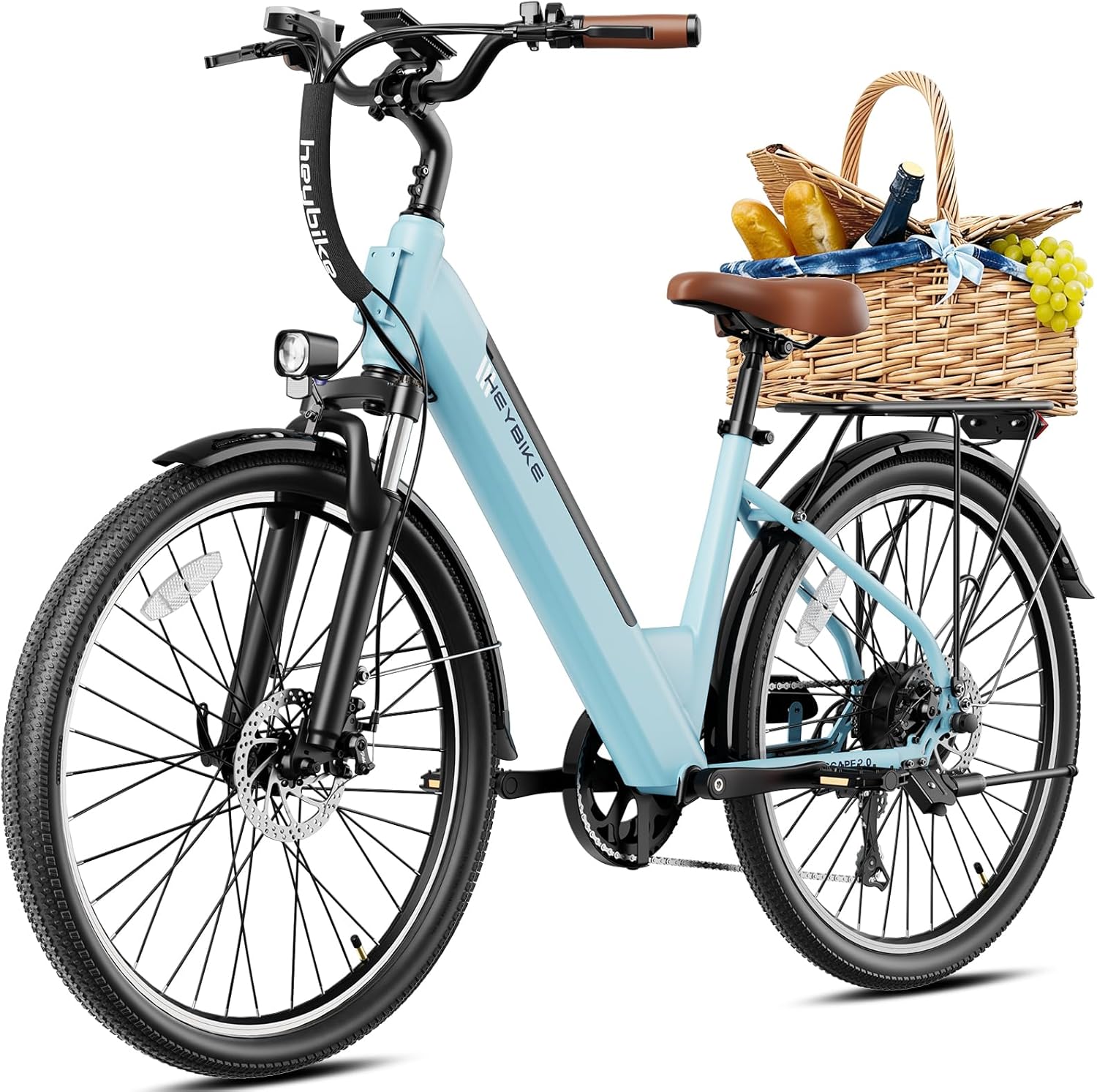
The Heybike Mars is a folding fat tire e-bike that folds down in under 15 seconds, making it ideal for apartment storage or combining with public transit. It uses a 500W motor and a 48V 10Ah battery, producing a verified real-world range of 25–30 miles.
Key specs:
- Motor: 500W hub motor
- Battery: 48V 10Ah
- Range: 25–30 miles (real-world)
- Top speed: 20 mph (Class 2)
- Weight: 59 lbs (folds to compact size)
The folding frame sacrifices a small amount of rigidity compared to a rigid-frame bike, but for urban beginners who need storage flexibility, it is the best option under $800. Heybike's customer support receives consistently high marks — important when you are buying your first e-bike.
Ride1Up Core-5 — Best for Commuters
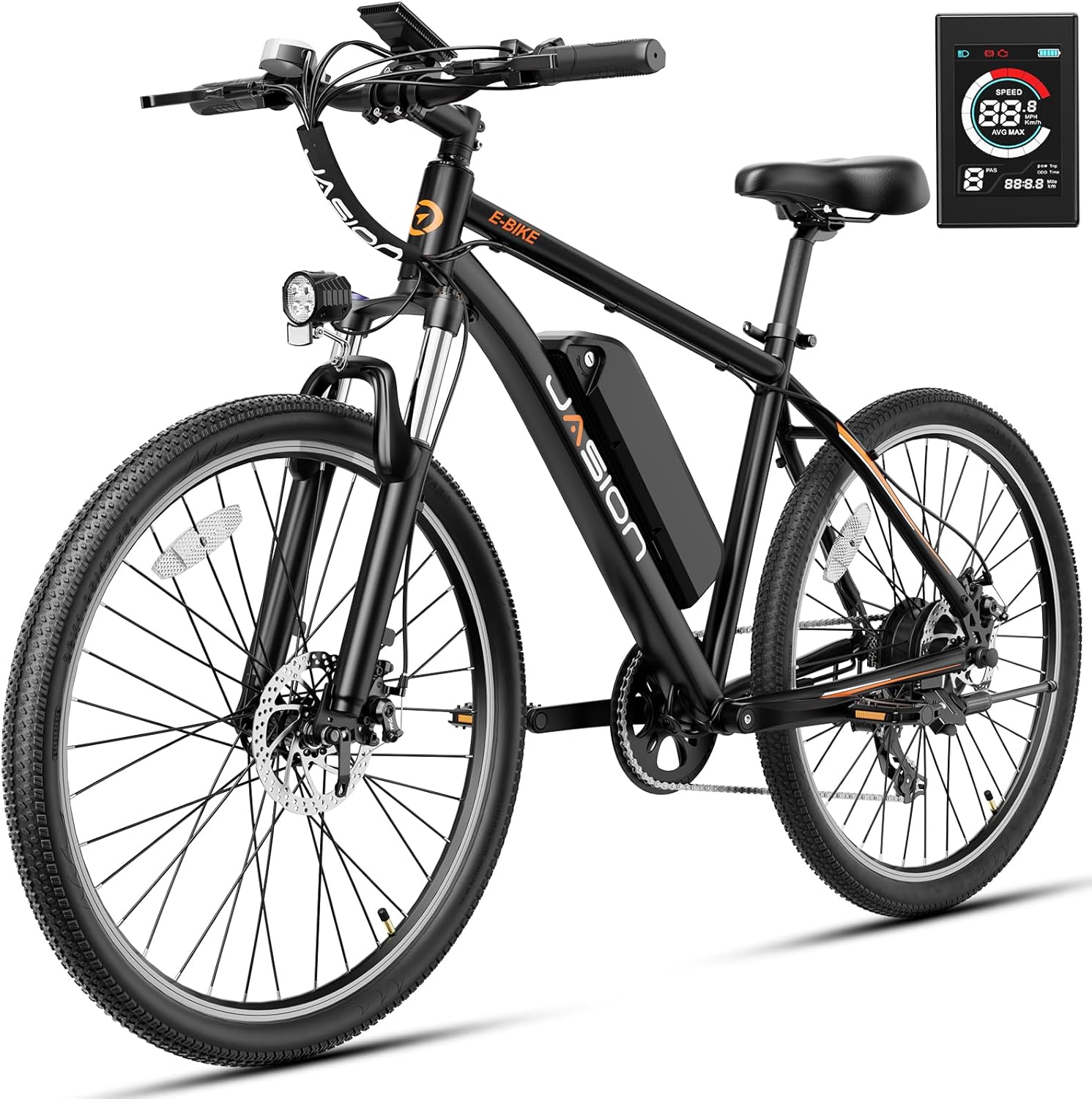
The Ride1Up Core-5 is purpose-built for commuters. It uses a 500W Shengyi motor, a 48V 10.4Ah Samsung/LG cell battery, and a torque sensor — which makes pedaling feel intuitive rather than jerky, a feature rare under $800.
Key specs:
- Motor: 500W rear hub (Shengyi)
- Battery: 48V 10.4Ah (Samsung/LG cells)
- Range: 30–45 miles depending on assist level
- Top speed: 28 mph unlocked (Class 3 capable)
- Weight: 50 lbs
Ride1Up was founded by e-bike enthusiasts who prioritized component quality over marketing. The Core-5 uses name-brand battery cells, which translates to longer battery life over hundreds of charge cycles. At 50 lbs, it is one of the lightest options at this price point.
Velotric Discover 1 — Best Urban Design
The Velotric Discover 1 was designed by veterans of Uber and Lime's micro-mobility programs who understood exactly what urban riders need. It features integrated front and rear lights, a 500W motor, and a clean step-through frame option that suits riders of all heights.
Key specs:
- Motor: 500W rear hub
- Battery: 36V 14.4Ah (UL 2849 certified)
- Range: 40–65 miles (claimed); 35–40 miles real-world
- Top speed: 20 mph (Class 2)
- Weight: 53 lbs
The UL 2849 battery certification is a standout safety feature — it means the battery system has been independently tested for thermal and electrical safety, reducing fire risk. Built-in fenders and integrated lights mean zero extra spending on commuter essentials.
How Far Can a Budget E-Bike Travel on One Charge?
Most budget e-bikes under $800 achieve 25–40 miles of real-world range per charge at moderate pedal-assist levels. Manufacturers often advertise 40–60 miles, but independent testing consistently shows real-world figures run 30–40% lower due to rider weight, terrain, wind, and assist level used.
Factors that reduce range the most:
- Riding at maximum assist (PAS 5) instead of mid-level (PAS 2–3)
- Headwinds above 10 mph can reduce range by up to 20%
- Hilly terrain can cut range by 30% compared to flat ground
- Rider weight over 200 lbs reduces range by approximately 10–15%
A practical rule for beginners: plan your rides assuming 60% of the advertised range. If a bike claims 50 miles, budget for 30 miles of comfortable, real-world riding before needing a charge.
What E-Bike Safety Gear Do Beginners Need?
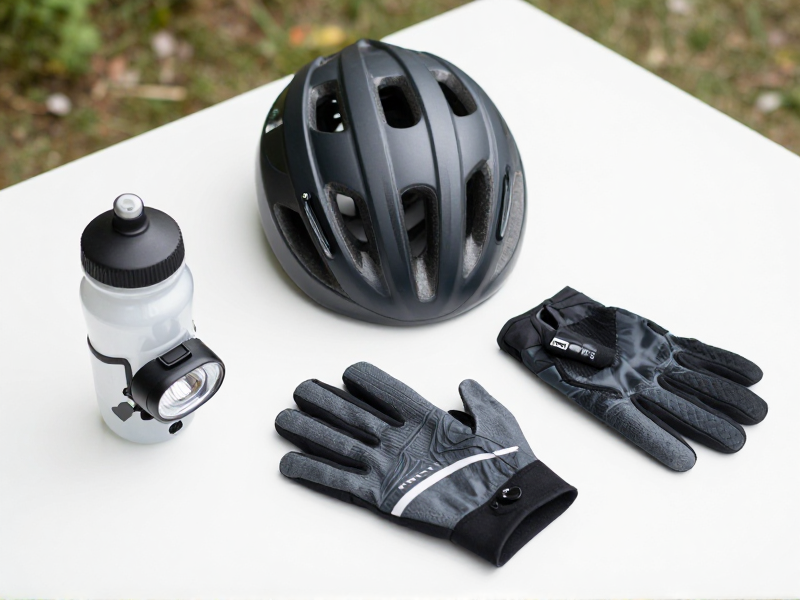
Every beginner needs three non-negotiable safety items before their first ride: a certified helmet, a reliable front light, and a quality lock. These three items protect both your safety and your investment.
Helmet: MIPS Protection Is Worth It
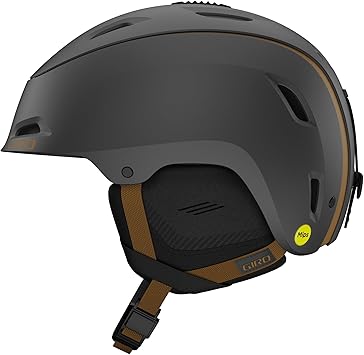
The Giro Syntax MIPS Helmet is our top recommendation for new e-bike riders. It meets CPSC safety standards, features MIPS rotational protection technology (proven to reduce concussion risk by up to 40% in oblique impacts), and offers 22 ventilation channels for comfort on longer rides.
At e-bike speeds of 20 mph, a fall is significantly more dangerous than at 10 mph on a regular bike. Do not skip MIPS protection.
Front Light: Visibility Saves Lives
The NiteRider Lumina 1200 Boost delivers 1,200 lumens — enough to light a dark path and be seen by car drivers from 500+ feet. It recharges via USB-C and mounts in seconds. Many budget e-bikes ship without adequate lighting, so this is an immediate priority purchase.
E-bike lighting requirements by speed:
- Under 15 mph: 200–400 lumens sufficient
- 15–20 mph: 600–800 lumens recommended
- 20+ mph (Class 3): 1,000+ lumens strongly advised
Lock: Protect Your Investment
The Kryptonite Bike Locks lineup offers proven security for e-bikes. Your new e-bike is a significant theft target. A Kryptonite U-lock rated Gold or above resists bolt cutters and angle grinders far better than cheap cable locks. Always lock through the frame, not just the wheel.
What Accessories Should Beginners Buy First?
The five accessories that deliver the most immediate value for beginner e-bike riders are a helmet, front light, U-lock, phone mount, and a basic multi-tool.
Beginner accessory priority list:
| Priority | Accessory | Why It Matters |
|---|---|---|
| 1 | MIPS Helmet | Crash protection at e-bike speeds |
| 2 | Front light (1,000+ lm) | Visibility in low light |
| 3 | U-lock (Gold rating) | Theft prevention |
| 4 | Phone mount | Navigation without distraction |
| 5 | Multi-tool | Roadside adjustments |
Check current prices: Engwe · Heybike · Ride1Up · Velotric · Giro Syntax MIPS Helmet · NiteRider Lumina 1200 Boost · Kryptonite Bike Locks · Quad Lock Phone Mount
The Quad Lock Phone Mount is the only phone mount we recommend at e-bike speeds. Its dual-stage locking system and optional vibration dampener protect your phone from motor vibration that can damage camera optical stabilization over time — a real issue documented by multiple phone manufacturers.
How Do Budget E-Bikes Under $800 Compare?
| Model | Motor | Real Range | Weight | Best For |
|---|---|---|---|---|
| Engwe Engine Pro | 750W peak | 33–37 mi | 65 lbs | Overall value |
| Heybike Mars | 500W | 25–30 mi | 59 lbs | Storage/portability |
| Ride1Up Core-5 | 500W | 30–45 mi | 50 lbs | Commuting |
| Velotric Discover 1 | 500W | 35–40 mi | 53 lbs | Urban style |
Buying this as a gift and can't decide? Send a Giftcards.com gift card instead →
Frequently Asked Questions
Are budget e-bikes under $800 reliable?
Yes, budget e-bikes under $800 are reliable for everyday riding when you choose models from established brands. Engwe, Heybike, Ride1Up, and Velotric all offer at least a one-year warranty and have US-based customer support. Reliability issues most commonly stem from no-name brands with uncertified batteries — stick to models with UL 2849 or equivalent battery certification.
What class of e-bike is best for beginners?
Class 2 e-bikes are the best choice for beginners. Class 2 bikes include a throttle (so you can ride without pedaling) and cap at 20 mph — a speed that is manageable for new riders. Class 3 bikes reach 28 mph and are better suited once you have 50+ hours of riding experience. Class 1 bikes (pedal assist only, no throttle) are also beginner-friendly but require more leg effort to get started.
How long do budget e-bike batteries last?
Most budget e-bike batteries last 500–800 full charge cycles before dropping to 80% capacity. At one charge per day, that equals roughly 1.5 to 2.5 years of daily use. Extending battery life is simple: charge to 80% for daily use (not 100%), store indoors during winter, and avoid letting the battery fully drain. Replacement batteries typically cost $150–$300.
Do I need a license to ride an e-bike under $800?
In most US states, Class 1 and Class 2 e-bikes do not require a license, registration, or insurance. They are treated the same as regular bicycles under federal law. However, state and local laws vary — some cities restrict e-bikes on certain paths. Always check your local regulations before riding. Class 3 bikes (28 mph) face stricter rules in several states.
What is the cheapest e-bike worth buying?
Below a certain price threshold, you typically encounter uncertified batteries (fire risk), unreliable motors, and poor after-sale support. The Engwe and Heybike models represent the true floor of quality worth recommending. Anything cheaper is a meaningful safety and reliability compromise.
Conclusion: Your First E-Bike Doesn't Have to Break the Bank
The best budget e-bikes under $800 in 2026 are genuinely capable machines — not toys, not compromise purchases. Models like the Engwe Engine Pro, Heybike Mars, Ride1Up Core-5, and Velotric Discover 1 offer the motors, battery capacity, and build quality that will keep you riding happily for years.
Start with the bike that best fits your daily use case, then immediately invest in a MIPS helmet, a 1,000+ lumen front light, and a Gold-rated U-lock. These three items collectively cost less than 20% of your bike's price and multiply your safety and peace of mind many times over.
Ready to ride? Browse our top picks and check current pricing using the links below:
- Engwe — Best Overall Under $800
- Heybike — Best Folding Option
- Ride1Up — Best for Commuters
- Velotric — Best Urban Style
- Giro Syntax MIPS Helmet — Top Safety Pick
- NiteRider Lumina 1200 — Best Front Light
- Kryptonite Locks — Best Security
Prices and availability change frequently — check each listing for the latest deal before purchasing.
Affiliate Disclosure
Discussion
Sign in with GitHub to leave a comment. Your replies are stored on this site's public discussion board.