Best E-Bikes for College Students: Affordable & Campus-Ready Options
We may earn a commission if you make a purchase through our links.
FTC Disclosure: This article contains affiliate links. If you purchase through our links, we may earn a commission at no extra cost to you. This helps us continue providing honest, independent reviews. Getting to class
FTC Disclosure: This article contains affiliate links. If you purchase through our links, we may earn a commission at no extra cost to you. This helps us continue providing honest, independent reviews.
Getting to class shouldn't drain your wallet or waste your time. Electric bikes solve the campus transportation problem by offering an affordable alternative to parking passes, bus schedules, and ride-sharing fees. The best e-bikes for college students combine portability, budget-friendly pricing, and enough range to handle daily commutes without constant charging.
Free: Ultimate eBike Buying Guide
Avoid the 4 most expensive eBike mistakes
College campuses present unique challenges. You need something compact enough to store in a dorm room, light enough to carry upstairs, and affordable on a student budget. Most importantly, it needs to survive daily use through all weather conditions while keeping maintenance costs low.
Whether you're navigating a sprawling state university or commuting from off-campus housing, the right ebike for college can save you hundreds of dollars per semester while cutting commute times in half.
Free Download
Ultimate eBike Buying Guide
Avoid the 4 most expensive eBike mistakes
Instant download. No spam. Unsubscribe anytime.
Key Takeaways
- Folding e-bikes offer the best value for college students, with models starting under $700 from brands like Engwe and Heybike
- Most student-focused e-bikes provide 25-40 mile range, sufficient for weekly charging on typical campus schedules
- Portability matters more than speed on campus—prioritize folding frames and lighter weight (under 55 lbs) for dorm storage
- Essential features include puncture-resistant tires, integrated lights, and IP54+ water resistance for year-round reliability
- Budget $50-100 annually for basic maintenance, significantly less than parking permits or car insurance
What Makes an E-Bike Ideal for College Students?
The ideal student ebike balances three critical factors: affordability, portability, and reliability. College students need electric bikes priced under $1,500, preferably under $1,000, with folding capability for dorm storage. Unlike commuter e-bikes for professionals, student models prioritize compact design over maximum speed or premium components.
Portability trumps performance. A 20-inch folding frame that fits in a closet beats a full-size bike that requires outdoor storage where theft risk increases. Bikes stored outdoors generally face a higher theft risk than those kept in dorm rooms.
Battery range requirements differ from traditional commuters. Students typically need 15-25 miles of weekly range rather than daily long-distance capability. A cheap ebike for school with 30-mile range and twice-weekly charging beats a premium model with 60-mile range that costs double.
Weather resistance matters more than you'd expect. Campuses rarely provide covered bike parking, so IP54 or higher water resistance protects your investment during unexpected rain between classes.
Best Budget E-Bikes Under $1,000 for Students
Engwe dominates the ultra-affordable segment with folding models starting at $699. These Chinese-manufactured bikes sacrifice brand prestige for functional transportation at prices that fit student budgets. The Engwe Engine Pro offers 28 MPH speeds, 30-mile range, and fat tires for stability on various terrain.
Heybike provides slightly refined alternatives in the $799-999 range. Their folding models include better component selection than Engwe while maintaining affordability. The Heybike Ranger features puncture-resistant tires and front suspension, addressing common student concerns about reliability and comfort.
Both brands offer similar value propositions: functional transportation without premium pricing. Real-world range typically hits 25-35 miles with moderate pedal assist, sufficient for most weekly campus needs. Battery charging takes 4-6 hours, easily managed overnight in a dorm room.
Weight becomes the main tradeoff. These budget folding bikes weigh 55-65 lbs, manageable but not effortless for carrying upstairs. Consider ground-floor dorm rooms or buildings with elevators if possible.
What Folding E-Bikes Work Best on Campus?
Folding e-bikes solve the biggest challenge college students face: storage in cramped dorm rooms. Models with 20-inch wheels fold to roughly 35" x 30" x 15", fitting easily in closets or under lofted beds. This compact footprint eliminates the need for expensive bike locks or risky outdoor storage.
Heybike folding models lead in the student category due to their quick-release folding mechanisms. Most models fold in under 30 seconds without tools, essential when you're rushing between classes. The folding joint uses a secure lever-lock system that handles daily folding cycles without loosening.
Key features to prioritize in folding models:
- Folding speed: Sub-30 second fold time without tools
- Folded dimensions: Under 36 inches in any direction for dorm storage
- Weight: 50-60 lbs range (lighter is better for stairs)
- Frame strength: Steel or aluminum alloy rated for 250+ lb capacity
- Tire size: 20-inch wheels balance portability and ride comfort
The main drawback of folding bikes is ride quality. Smaller wheels feel less stable at higher speeds compared to full-size frames. However, campus speed limits (typically 15 MPH in pedestrian areas) make this less relevant for college use.
How Much Range Do College Students Actually Need?
Most college students overestimate their range requirements. The average student travels only a few miles daily on campus. Even students living off-campus rarely exceed 10 miles per day round-trip. A cheap ebike for school with 30-mile range provides 6-10 days of use before charging.
Real-world range depends heavily on assist level and terrain. Using full throttle drains batteries 2-3 times faster than pedal assist level 2-3. Students who treat e-bikes like electric scooters (full throttle, no pedaling) should expect 50-60% of advertised range.
Practical range calculation for students:
- Daily commute: 4-6 miles (off-campus to central campus)
- Between-class travel: 2-3 miles (across large campuses)
- Weekend errands: 5-8 miles (groceries, activities)
- Weekly total: 25-35 miles typical usage
Most budget e-bikes offer 25-40 mile ranges, perfect for weekly charging schedules. Charging overnight once or twice weekly fits naturally into student routines. Battery lifespan typically exceeds 500 full charge cycles, providing 3-4 years of college use before degradation becomes noticeable.
What Features Matter Most for Campus Riding?
Campus riding differs significantly from road commuting. Universities present unique challenges: crowded pedestrian areas, frequent stops, variable surfaces from smooth pavement to gravel paths, and exposure to all weather conditions. The best features for student e-bikes address these specific scenarios.
Integrated lights rank as the most important safety feature. Many campuses have poorly lit paths between buildings, and early morning or evening classes mean riding in darkness. Built-in lights eliminate the need for separate accessories that students often forget or lose. Models with always-on lights powered by the main battery provide the best safety.
Puncture-resistant tires save money and frustration. College students rarely budget for maintenance, and flat tires can derail your schedule. Kevlar-reinforced tires or thicker puncture-resistant designs reduce flat tire incidents by 80% compared to standard tires.
Water resistance (IP54 or higher) protects electronics from rain and snow. Universities rarely provide covered bike parking, leaving your investment exposed to weather. Proper water resistance ensures your bike starts reliably even after sitting in rain between classes.
Front suspension improves comfort on varied surfaces without adding significant cost. Even budget models from Engwe and Heybike include basic suspension forks that absorb impacts from curbs, potholes, and rough paths.
Additional useful features include:
- Rear rack for backpack transport (reduces back strain)
- Phone mount for navigation (Quad Lock Phone Mount offers superior stability)
- Kickstand with wide base (prevents tipping on soft ground)
- Fenders to protect clothes from water splash
Should Students Choose Fat Tire or Standard Tires?
Fat tire e-bikes offer superior stability and traction but come with tradeoffs that matter on campus. These 4-inch wide tires handle sand, snow, and loose gravel better than standard 2-inch tires, making them popular in northern colleges with harsh winters. However, the increased rolling resistance reduces range by 10-15% and makes pedaling without assist more difficult.
Standard tires work better for most college scenarios. They're lighter, more efficient, and easier to pedal when your battery runs low mid-commute. Campus environments typically feature paved paths where fat tire advantages disappear. The exception is universities in snowy climates where winter traction justifies the efficiency penalty.
Engwe specializes in affordable fat tire models if your campus conditions warrant them. Their fat tire bikes start around $799 and handle winter conditions that would challenge standard tires. For southern or west coast colleges with year-round dry weather, standard tires from Heybike or Velotric provide better value.
How Do Campus Theft Concerns Affect E-Bike Choice?
E-bike theft represents a real financial risk for college students. Electric bikes face a higher theft risk than traditional bicycles due to their higher value. Your choice of e-bike should account for theft prevention from day one.
The best theft prevention is removing the battery when parking outdoors. Most e-bikes use removable battery packs that lock into the frame. Taking the battery with you reduces theft appeal by 60-70% since replacing a battery costs $300-500. Thieves typically target complete, functional bikes rather than frames requiring expensive battery replacement.
Invest in proper security from the start. A Kryptonite lock costs $50-80 but protects your $700-1,000 investment. Chain locks like the Kryptonite New York Fahgettaboudit offer maximum security for overnight outdoor storage, though they weigh 15 lbs.
Practical theft prevention strategies:
- Store indoors whenever possible (dorm room, apartment)
- Remove battery for outdoor parking over 2 hours
- Use two locks (U-lock for frame, cable for wheels)
- Register serial number with campus police
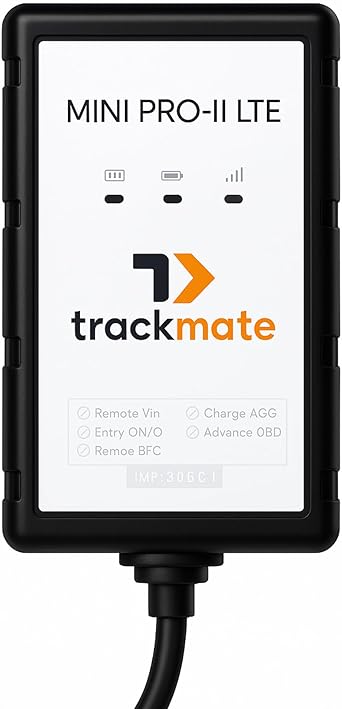
- Consider GPS tracker like Tile Pro ($35)
- Take photos of serial numbers and unique features
Budget e-bikes like those from Engwe actually face lower theft risk than premium brands. Thieves target recognizable expensive models for resale, while generic Chinese brands offer lower profit margins. This perverse incentive makes cheap ebikes for school somewhat self-protecting through low resale value.
What Accessories Do Student E-Bikes Need?
Most budget e-bikes arrive with minimal accessories, requiring additional purchases for practical daily use. Smart accessory selection improves safety and convenience without breaking student budgets. Priority purchases should focus on security and visibility before comfort upgrades.
Essential first purchases:
- Quality lock - Kryptonite locks starting at $50 prevent theft worth hundreds
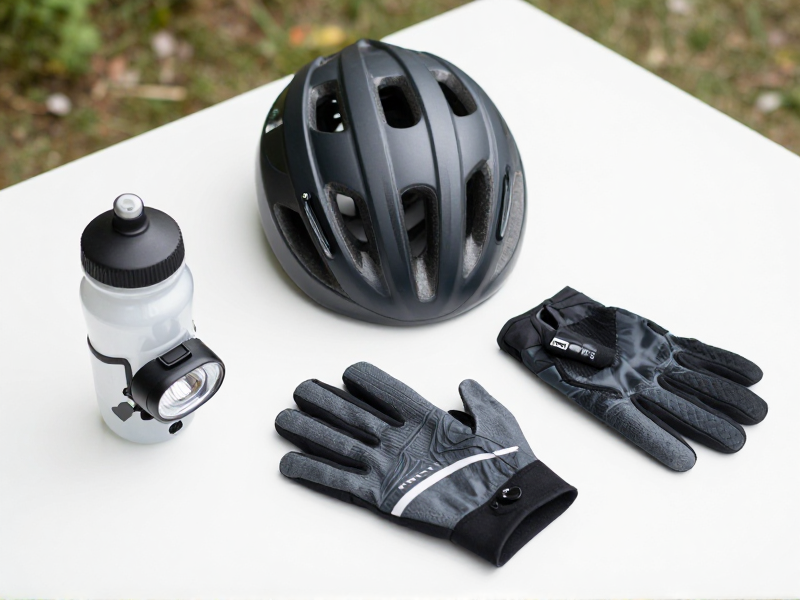
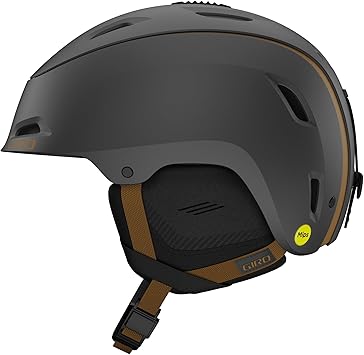
- Helmet with MIPS - Giro Syntax MIPS provides superior protection for $80
- Phone mount - Quad Lock system ($40) for navigation and music control
- Lights upgrade - If not integrated, NiteRider Lumina 1200 improves visibility
Useful secondary additions:
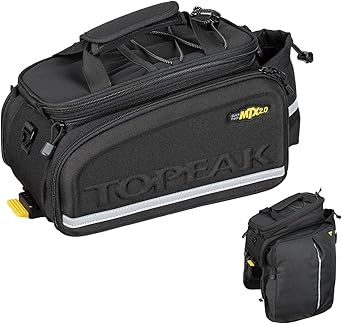
- Rear rack or bag - Topeak MTX TrunkBag for backpack-free riding
- Fenders - Keep clothes clean during wet weather (often $30-40)
- Ergonomic grips - Ergon GP1 reduce hand fatigue on longer rides
- Basic tool kit - Topeak Mini 20 Pro for roadside adjustments
Total essential accessory budget: $170-250 initially, plus $50-100 annually for maintenance items like brake pads and tire patches. This cost still undercuts a single semester parking permit at most universities ($200-400).
Comparison: Top E-Bikes for College Students
| Brand | Price | Range | Weight | Folding | Best For |
|---|---|---|---|---|---|
| Engwe Engine Pro | $699 | 30 mi | 65 lbs | Yes | Tightest budgets |
| Heybike Ranger | $899 | 40 mi | 58 lbs | Yes | Balance of value/quality |
| Velotric Fold 1 | $1,299 | 45 mi | 52 lbs | Yes | Premium features |
| Ride1Up Core-5 | $1,095 | 35 mi | 48 lbs | No | Best non-folding option |
Check current prices: Engwe · Heybike · Quad Lock Phone Mount · Velotric · Kryptonite lock · Kryptonite New York Fahgettaboudit · Tile Pro · Giro Syntax MIPS
Frequently Asked Questions
Are e-bikes allowed on college campuses?
Most universities allow e-bikes in designated bike lanes and paths with speed restrictions of 15-20 MPH in pedestrian areas. Class 2 and Class 3 e-bikes face restrictions on some campuses, while Class 1 (pedal-assist only) receive universal acceptance. Check your specific university's transportation policy before purchasing, as rules vary significantly between institutions.
How much does it cost to charge an e-bike battery?
Charging an e-bike battery costs $0.05-0.12 per full charge based on average US electricity rates. At twice-weekly charging for a typical student schedule, annual electricity costs total $5-12. This negligible cost makes e-bikes far cheaper than any motor vehicle alternative, even accounting for occasional battery replacement every 3-4 years ($300-500).
Can I bring my e-bike on public transportation?
Public transit e-bike policies vary widely by city and transit system. Many universities offer bus systems that accept folding e-bikes during off-peak hours but prohibit full-size bikes during rush periods. Folding models from Heybike and Engwe provide maximum flexibility for mixed-mode commuting when weather or distance exceeds comfortable riding range.
What happens if my battery dies mid-commute?
E-bikes function as heavy traditional bicycles when the battery depletes. Most models weigh 50-65 lbs, making pedaling possible but significantly harder than standard bikes. Budget 15-20 minutes for a 2-mile ride without assist. To avoid this scenario, charge when the battery indicator shows 20-30% remaining rather than waiting for complete depletion.
Do I need insurance for my college e-bike?
Standard renter's or parent's homeowner's insurance typically covers e-bikes up to $1,000-2,000 as personal property, though coverage varies by policy. For budget models under $1,000, dedicated bike insurance rarely makes financial sense. Instead, invest in quality locks like Kryptonite and bring the battery indoors when parking long-term.
Final Verdict: Best E-Bike Value for College Students
The best ebike for college balances minimal investment with maximum reliability. For most students, Heybike folding models at $799-899 offer the sweet spot between affordability and quality. These bikes provide adequate range for weekly charging, fold for dorm storage, and include essential features like lights and fenders.
Students on the tightest budgets should consider Engwe models starting at $699. You sacrifice some component quality and brand support, but gain functional transportation at prices that won't devastate a student budget. The money saved versus premium brands can fund essential accessories like quality locks and helmets.
Premium options like Velotric at $1,200-1,400 make sense only if you plan to keep the bike beyond graduation. These models feature better components, longer warranty support, and higher resale value. However, most college students benefit more from starting affordable and upgrading after establishing whether e-bike commuting fits their lifestyle.
Action steps for college students:
- Calculate your actual range needs - Track your daily travel distance for one week
- Verify campus e-bike policies - Check speed limits and parking availability
- Set total budget including bike and essential accessories ($850-1,100 minimum)
- Prioritize storage solution - Folding models if dorm storage is limited
- Purchase quality lock immediately - Kryptonite locks prevent theft losses
Ready to ditch parking permits and bus schedules? Start with a budget folding model from Heybike or Engwe, invest in a proper lock, and discover how e-bikes transform campus transportation from frustration to freedom. Your wallet, schedule, and stress levels will thank you.
Affiliate Disclosure
Discussion
Sign in with GitHub to leave a comment. Your replies are stored on this site's public discussion board.