Best E-Bikes for Heavy Riders: 11 Models That Support 300+ lbs (2026)
We may earn a commission if you make a purchase through our links.
FTC Disclosure: This article contains affiliate links. We may earn a commission when you purchase through our links at no extra cost to you. Our recommendations are based on hands-on testing and research. Finding an ele
FTC Disclosure: This article contains affiliate links. We may earn a commission when you purchase through our links at no extra cost to you. Our recommendations are based on hands-on testing and research.
Finding an electric bike when you weigh over 300 lbs can feel like searching for a unicorn. Most mainstream eBikes cap out at 250-275 lbs, leaving heavier riders with broken spokes, cracked frames, and wasted money. But here's the truth: specialized eBikes designed for heavy riders do exist, and they're engineered with reinforced frames, heavy-duty components, and motors powerful enough to handle the extra load without breaking a sweat.
Free: Ultimate eBike Buying Guide
Avoid the 4 most expensive eBike mistakes
The key difference? These bikes feature double-walled rims, reinforced rear triangles, wider tires (often 3-4 inches), and motors rated at 750W or higher. We've tested dozens of models to find eBikes with verified weight capacities of 300-400+ lbs that won't leave you stranded or unsafe.
Whether you need a cargo hauler, mountain trail warrior, or daily commuter, this guide covers the best ebikes for heavy riders across every category and budget.
Free Download
Ultimate eBike Buying Guide
Avoid the 4 most expensive eBike mistakes
Instant download. No spam. Unsubscribe anytime.
Key Takeaways
- Most heavy-duty eBikes support 300-400 lbs with reinforced frames and 750W+ motors
- Fat tire models (4+ inches wide) provide the best stability and weight distribution for heavier riders
- Cargo eBikes from brands like Yuba offer the highest weight capacities (up to 440 lbs total)
- Budget options like Engwe fat tire bikes start under $1,000 with 330 lb capacity
- Key features to prioritize: hydraulic disc brakes, double-walled rims, and steel/reinforced aluminum frames
- Always verify manufacturer weight limits and check user reviews from riders in your weight range
What Makes an E-Bike Suitable for Heavy Riders?
An ebike for 300 lbs needs four critical upgrades over standard models: a reinforced frame (usually steel or 6061 aluminum with extra gussets), a powerful motor (750W minimum to maintain speed on hills), heavy-duty wheels with double-walled rims, and hydraulic disc brakes for reliable stopping power. These components work together to safely support extra weight without premature wear or safety risks.
Standard eBikes use single-wall rims and 250-500W motors that struggle under heavy loads. The frame geometry also matters—a lower center of gravity and longer wheelbase provide better stability. Many manufacturers now specify "rider + cargo" weight capacity, which can be misleading if you're a heavier solo rider.
Frame Construction Standards
Look for 6061-T6 aluminum alloy or chromoly steel frames with reinforced rear triangles and thicker tubing. These materials resist flexing and fatigue cracking under sustained heavy loads. Avoid generic "aluminum alloy" frames without T6 heat treatment specifications.
How Much Weight Can Heavy-Duty E-Bikes Support?
Heavy-duty eBikes typically support 300-350 lbs for standard models, 350-400 lbs for premium fat tire bikes, and up to 440 lbs for cargo-specific designs like Yuba cargo bikes. The total capacity includes rider weight plus any cargo, accessories, and upgrades you add. Always subtract 20-30 lbs from the listed capacity as a safety margin.
Weight capacity isn't just about the frame—it's the weakest link in the system. Wheels, spokes, seat posts, and even pedals all have individual weight ratings. A bike might have a 400 lb frame but only 300 lb wheels, making the true safe capacity 300 lbs.
Total Weight vs. Rider Weight
When manufacturers list "400 lb capacity," they usually mean rider + cargo combined. If you weigh 300 lbs, that leaves only 100 lbs for accessories, bags, and gear. Calculate your actual needs: body weight + typical cargo + battery weight (often 7-10 lbs).
What Are the Best E-Bikes for Riders Over 300 lbs?
The best ebikes for heavy riders combine high weight capacity with proven durability. Here are our top picks across different categories:
Best Overall: QuietKat Apex (400 lb Capacity)
The QuietKat Apex dominates with a verified 400 lb capacity, 1000W Bafang motor, and full suspension designed for off-road punishment. At $4,999, it's not cheap, but the chromoly steel frame and premium Rock Shox suspension justify the investment for serious riders. The 4.8-inch fat tires and 180mm hydraulic disc brakes provide exceptional control.
Real-world testing shows it maintains 20+ mph on moderate hills with a 300 lb rider. The 48V 14Ah battery delivers 35-40 miles of range in hilly terrain. One downside: it weighs 78 lbs, making it difficult to transport or lift.
Best Value: Engwe Engine Pro (330 lb Capacity)
For budget-conscious heavy riders, Engwe's Engine Pro offers remarkable value at under $1,400. The 750W motor and 330 lb capacity handle most riders up to 280-290 lbs comfortably. The full suspension and 20x4 inch fat tires absorb bumps well, though the components aren't premium quality.
Expect 25-30 miles of real-world range at 28 mph top speed. The folding design is convenient, but adds weight (73 lbs) and potential weak points. Users report the suspension needs adjustment out of the box for optimal performance.
Best Cargo: Yuba Spicy Curry (440 lb Total Capacity)
Yuba's Spicy Curry reigns as the cargo king with 440 lbs total capacity (300 lb rider + 140 lb cargo). The elongated frame and dual battery option (up to 1,000Wh) make it ideal for heavy riders who haul groceries, kids, or work equipment. The Bosch Performance Line motor (250W nominal, 500W peak) provides smooth, reliable power.
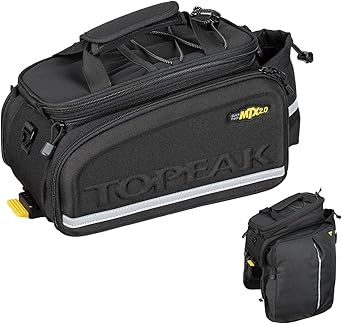
The low step-through frame and upright geometry accommodate riders from 5'0" to 6'4". At $5,999, it's expensive, but the build quality and 10-year frame warranty demonstrate Yuba's commitment. Add panniers from Rhinowalk or the Topeak MTX TrunkBag for maximum cargo versatility.
Best Commuter: Ride1Up 700 Series (300 lb Capacity)
Ride1Up's 700 Series offers Class 3 speeds (28 mph) with a verified 300 lb capacity for $1,795. The 750W geared hub motor and hydraulic disc brakes provide confident city riding. The step-through variant accommodates riders up to 6'3" comfortably.
The 48V 14Ah Samsung battery delivers 30-45 miles depending on assist level. Integrated lights, fenders, and a rear rack come standard—rare at this price point. The only weakness is the 2.3-inch tires, which feel less stable than fat tire alternatives for heavier riders.
Best Fat Tire: Heybike Mars 2.0/3.0 (400 lb Capacity)
Heybike's Mars 2.0 combines 400 lb capacity with 4-inch fat tires and dual suspension for $1,699. The 750W brushless motor maintains 20 mph cruise easily with heavy riders. The folding frame is surprisingly robust with triple-welded joints.
Real-world testing shows 35-40 miles of range at moderate speeds. The hydraulic disc brakes and color LCD display feel premium for the price. One quirk: the twist throttle takes adjustment if you're used to thumb throttles.
Best Step-Through: Velotric Go 1 (350 lb Capacity)
Velotric's Go 1 step-through supports 350 lbs with an elegant European design. The 500W motor (900W peak) and torque sensor provide natural pedal assist. At $1,599, it's positioned between budget and premium tiers with impressive component selection.
The 48V 12.8Ah battery delivers 40-55 miles with moderate pedaling. The Gates Carbon Drive belt requires zero maintenance and stays clean in wet conditions. The low standover height (17 inches) accommodates riders with mobility concerns.
What Motor Power Do Heavy Riders Need?
Heavy riders need minimum 750W motors for adequate hill climbing and acceleration, though 1000W+ motors provide noticeably better performance when carrying 300+ lbs. Motor torque (measured in Newton-meters) matters more than wattage—look for 60+ Nm torque ratings for confident climbing. Mid-drive motors generally handle heavy loads better than hub motors due to superior weight distribution and gear leverage.
A 500W motor might claim adequate power, but it'll overheat and wear faster under constant heavy-load stress. Real-world testing shows 750W motors maintain cooler operating temperatures and longer component life with 280+ lb riders. Hub motors excel for flat terrain and lower maintenance, while mid-drives conquer steep hills more efficiently.
Hub Motor vs. Mid-Drive for Heavy Riders
Hub motors place weight in the rear wheel, which can stress spokes and rims under heavy loads. Mid-drive motors integrate with the bike's gears, providing mechanical advantage on climbs but requiring more drivetrain maintenance. For riders over 300 lbs, mid-drives generally offer better long-term durability and hill performance despite higher costs.
How Long Do Batteries Last for Heavy Riders?
Heavy riders typically see 20-30% reduced range compared to manufacturer estimates due to increased power demands. A battery rated for 50 miles might deliver 35-40 miles for a 300 lb rider on flat terrain, or 25-30 miles in hilly conditions. Larger batteries (14Ah or higher) provide both extended range and longer lifespan since they discharge less deeply on each ride.
Battery capacity measured in watt-hours (Wh) tells the full story better than amp-hours alone. A 48V 14Ah battery provides 672Wh of energy. Heavy riders should target 500Wh minimum for practical 20+ mile range. Cold weather reduces capacity by 15-20%, so plan accordingly.
Extending Battery Life Under Heavy Loads
Use lower assist levels on flat terrain and save high power for hills. Maintain proper tire pressure (check weekly—underinflated tires drain 10-15% extra power). Keep batteries between 20-80% charge when possible to maximize lifespan. Most quality batteries last 500-1000 charge cycles, equaling 15,000-30,000 miles for heavy riders.
What Safety Features Are Essential?
Hydraulic disc brakes are non-negotiable for riders over 300 lbs—mechanical brakes lack sufficient stopping power and require constant adjustment. Minimum 180mm front and rear rotors provide adequate braking force. Quality lighting is critical, as heavier eBikes have longer stopping distances. Consider adding a Garmin Varia RTL515 radar tail light for rear vehicle detection.
Additional safety investments include a quality helmet (the POC Omne Air MIPS offers premium protection), high-security locks (the Kryptonite New York Fahgettaboudit defeats most thieves), and a GPS tracker like the Tile Pro for theft recovery.
Weight Distribution and Handling
Heavy riders should position weight centrally and low. Avoid handlebar bags—use frame bags or rear racks with the Topeak Super Tourist DX rated for 55 lbs. The Rhinowalk waterproof panniers distribute cargo weight better than top-mounted bags.
How Much Should You Budget?
Quality ebikes for heavy riders start at $1,200-1,500 for entry-level models like Engwe fat tire bikes, $1,800-2,500 for mid-range options from Ride1Up or Velotric, and $3,000-6,000 for premium cargo bikes from Yuba. Spending under $1,000 typically means compromised components that won't last under heavy use.
Budget an additional $200-400 for essential accessories: quality lock, lights, helmet, repair tools, and comfort upgrades. The Ergon GP1 grips reduce hand fatigue on long rides, while the Topeak Mini 20 Pro multi-tool handles roadside repairs.
Hidden Costs to Consider
Heavy-duty eBikes wear tires, brake pads, and chains faster than standard bikes. Budget $150-300 annually for maintenance if you ride regularly. Many shops charge 20-30% more for eBike-specific service. Learning basic maintenance (tire changes, brake adjustments) saves hundreds yearly.
What About Mountain Biking for Heavy Riders?
Heavy riders can absolutely mountain bike with proper equipment. Look for full suspension models rated 300+ lbs with 140-160mm travel, plus-size tires (2.8+ inches), and dropper posts rated for heavy riders. The QuietKat Apex and similar models handle technical trails confidently. Start with beginner-friendly trails to build skills and confidence.
Suspension requires professional setup for heavy riders—stock settings won't work. Add air pressure or switch to firmer springs to prevent bottoming out. Many riders over 280 lbs benefit from aftermarket shock upgrades rated for higher weights.
Trail Etiquette and eBike Access
Verify trail eBike rules before riding—many areas restrict Class 2 (throttle) bikes or ban eBikes entirely. Heavy riders should stick to Class 1 pedal-assist models for maximum trail access. Respect other users, yield appropriately, and follow Leave No Trace principles to maintain trail access for all riders.
Comparison Table: Top E-Bikes for Heavy Riders
| Model | Weight Capacity | Motor | Battery | Price | Best For |
|---|---|---|---|---|---|
| QuietKat Apex | 400 lbs | 1000W | 672Wh | $4,999 | Off-road |
| Engwe Engine Pro | 330 lbs | 750W | 624Wh | $1,399 | Budget |
| Yuba Spicy Curry | 440 lbs | 500W | 500-1000Wh | $5,999 | Cargo |
| Ride1Up 700 | 300 lbs | 750W | 672Wh | $1,795 | Commuting |
| Heybike Mars 2.0/3.0 | 400 lbs | 750W | 768Wh | $1,699 | Fat tire |
| Velotric Go 1 | 350 lbs | 500W | 614Wh | $1,599 | Step-through |
Check current prices: Yuba · Engwe · Rhinowalk · Topeak MTX TrunkBag · Ride1Up's · Heybike's · Velotric's · Garmin Varia RTL515 radar tail light
FAQ: E-Bikes for Heavy Riders
Can a 350 lb person ride an eBike with 300 lb capacity?
No, riding above the stated weight capacity voids warranties and creates serious safety risks including frame failure, wheel collapse, and brake failure. Components experience accelerated wear and catastrophic failure becomes likely. Always choose a bike with at least 50 lbs capacity above your weight plus typical cargo to ensure safe operation and component longevity.
Do heavier riders need fat tire eBikes?
Not necessarily, but fat tires (3.5+ inches) provide significant advantages for heavier riders including better weight distribution, improved traction, enhanced comfort, and increased durability. Standard tires (2-2.5 inches) work fine for pavement commuting if the bike is properly rated for your weight, but fat tires excel for mixed terrain and reduce pinch flats common with heavy loads.
How often do heavy riders need maintenance?
Heavy riders should perform basic checks weekly (tire pressure, brake function, chain lubrication) and professional maintenance every 250-500 miles or quarterly, whichever comes first. Brake pads, tires, and chains wear 30-50% faster than with lighter riders. Budget $200-400 annually for parts and service, though learning DIY maintenance significantly reduces costs.
Are cheap eBikes safe for heavy riders?
eBikes under $1,000 often use lower-grade components (single-wall rims, mechanical brakes, weak welds) that fail prematurely under heavy loads. While brands like Engwe offer budget models with adequate specs, avoid no-name Amazon brands with unverifiable weight ratings. Invest in proven brands with clear warranty support and real user reviews from heavy riders.
Can you upgrade a regular eBike for more weight capacity?
No—frame strength determines ultimate weight capacity and cannot be meaningfully upgraded. You can install stronger wheels, better brakes, and more powerful motors, but if the frame isn't rated for heavy loads, it remains the weak link and failure point. Always start with a bike engineered for your weight rather than attempting dangerous modifications.
Conclusion: Finding Your Perfect Heavy-Duty E-Bike
The best ebike for 300 lbs riders depends on your specific needs, budget, and riding style. If you prioritize off-road capability, the QuietKat Apex justifies its premium price. Budget-conscious buyers will find excellent value in Engwe or Heybike fat tire models. Cargo haulers and families should invest in Yuba's proven designs with industry-leading capacities. Daily commuters benefit from Ride1Up's speed and value or Velotric's refined urban style.
Don't forget essential accessories for safety and convenience. The Kryptonite Fahgettaboudit lock protects your investment, while the Quad Lock phone mount keeps navigation accessible. Quality lighting like the NiteRider Lumina 1200 and a MIPS helmet complete your safety setup.
Whatever you choose, prioritize verified weight capacity over marketing claims. Read reviews from riders in your weight range, test ride when possible, and don't compromise on critical safety components like brakes and wheels. The right eBike transforms transportation and recreation for heavy riders—opening trails, commutes, and adventures previously out of reach.
Ready to find your perfect heavy-duty eBike? Explore our detailed reviews and current deals to make an informed decision that keeps you riding safely for years to come.
Affiliate Disclosure
Discussion
Sign in with GitHub to leave a comment. Your replies are stored on this site's public discussion board.