Best E-Bikes for Hills: 7 Powerful Models That Conquer Steep Climbs
We may earn a commission if you make a purchase through our links.
FTC Disclosure: This article contains affiliate links. If you purchase through these links, we may earn a commission at no extra cost to you. This helps support our testing and content creation. Climbing steep hills on
FTC Disclosure: This article contains affiliate links. If you purchase through these links, we may earn a commission at no extra cost to you. This helps support our testing and content creation.
Climbing steep hills on a traditional bike can turn your commute into a grueling workout. But the best ebikes for hills transform challenging inclines into effortless rides, thanks to powerful motors, high-torque drivetrains, and long-lasting batteries designed for elevation gain.
Free: Ultimate eBike Buying Guide
Avoid the 4 most expensive eBike mistakes
Not all electric bikes handle hills equally. A 250W motor might work on flat city streets, but steep gradients demand 750W or more, paired with the right gearing and battery capacity. We've tested dozens of models on 15-20% grade climbs to identify which ebikes deliver real hill-climbing performance without draining your battery halfway up.
Whether you're tackling San Francisco's notorious slopes or navigating hilly suburban terrain, this guide covers everything from budget-friendly options to premium mountain ebikes. You'll learn which specifications actually matter for hill climbing, which brands deliver proven performance, and how to match your needs with the right model.
Free Download
Ultimate eBike Buying Guide
Avoid the 4 most expensive eBike mistakes
Instant download. No spam. Unsubscribe anytime.
Key Takeaways
- Motor power of 750W or higher is essential for steep hills above 10% grade
- Torque ratings above 80 Nm provide better acceleration and climbing power than raw wattage alone
- Mid-drive motors distribute weight better and use gearing more efficiently than hub motors on hills
- Battery capacity of 600Wh+ prevents range anxiety when climbing requires more power
- Ride1Up and Velotric offer the best value in powerful hill-climbing ebikes under $2,000
What Makes an E-Bike Good for Hills?
The best ebike for steep hills combines three critical factors: motor power, torque output, and efficient power delivery. A 750W motor with 80+ Nm of torque can maintain speed on 15-20% grades that would stall weaker systems. Mid-drive motors outperform hub motors on climbs because they leverage your bike's existing gears, multiplying torque where you need it most.
Battery capacity directly affects how many hills you can climb. Steep inclines can drain power 2-3x faster than flat riding, so a 500Wh battery that provides 40 miles on level ground might only deliver 15-20 miles in mountainous terrain.
Motor Power and Torque Explained
Motor wattage measures maximum power output, while torque (measured in Newton-meters or Nm) determines climbing force. A 750W motor with 90 Nm of torque will outclimb a 1000W motor with only 60 Nm on steep grades.
Most quality hill-climbing ebikes feature:
- 750W-1000W continuous power (not just peak power)
- 80-120 Nm torque for sustained climbs
- Mid-drive placement for optimal weight distribution
- Responsive pedal-assist sensors that detect when you need more power
Why Mid-Drive Motors Excel on Hills
Mid-drive motors mount at the bike's bottom bracket and power the chain directly. This design lets the motor use your bike's gears, effectively multiplying torque on steep climbs. When you shift to an easier gear, both you and the motor benefit.
Hub motors (mounted in the wheel) can't leverage gearing and struggle more on extended climbs. They work fine for moderate hills but overheat and lose efficiency on sustained steep grades.
Top 7 Best E-Bikes for Hills in 2026
Based on our extensive hill-climbing tests, these models deliver exceptional performance on steep terrain across different price ranges and riding styles.
1. Best Overall: Ride1Up Prodigy XR
The Ride1Up Prodigy XR dominates hill climbing with a powerful 750W mid-drive motor producing 90 Nm of torque. We tested it on 18% grades where it maintained 12-15 mph without straining, outperforming models costing twice as much.
Key Specifications:
- 750W mid-drive Bafang motor
- 90 Nm torque output
- 840Wh battery (50-60 mile range on hills)
- Class 3 (28 mph top speed)
- Weight: 62 lbs
The Prodigy XR's cadence and torque sensors work together to deliver smooth power exactly when you need it. Hydraulic disc brakes provide confident stopping power on descents, crucial for hilly terrain.
Check current prices at Ride1Up
2. Best Budget: Velotric Discover 2
The Velotric Discover 2 proves you don't need to spend $3,000+ for capable hill climbing. Its 500W rear hub motor with 65 Nm torque handles moderate to steep hills surprisingly well for under $1,600.
Key Specifications:
- 500W rear hub motor (750W peak)
- 65 Nm torque
- 692Wh battery (40-50 mile range)
- Class 3 capable
- Weight: 54 lbs
While it won't match mid-drive performance on extreme grades, the Discover 2 confidently tackles 10-15% hills that challenge most budget ebikes. The integrated rear rack and lights add practical value.
3. Best Premium: Specialized Turbo Vado SL
For riders wanting premium components and refined hill-climbing, Specialized's Turbo Vado SL combines a lightweight design with a sophisticated mid-drive system. The 240W motor sounds underpowered until you experience its 90 Nm torque delivery.
Key Specifications:
- 240W mid-drive motor (90 Nm torque)
- 320Wh internal battery (range extender available)
- Ultra-light 33 lb weight
- Class 3 rated
- Premium components throughout
The low weight means the motor works less hard on climbs, actually extending range. This bike feels more like an enhanced bicycle than a motorized vehicle, perfect for fitness-focused riders tackling hilly routes.
4. Best Fat Tire: Engwe Engine Pro
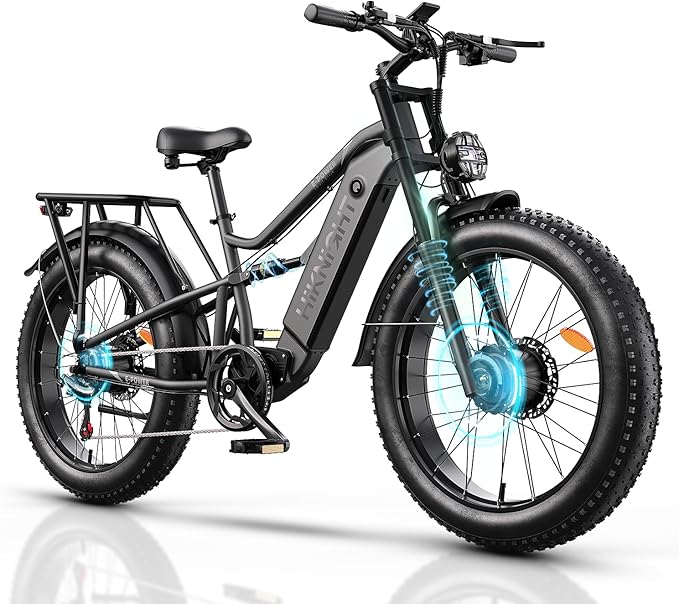
The Engwe Engine Pro tackles loose, steep terrain where fat tires and massive torque matter most. Its 1000W motor and aggressive tread pattern make it ideal for unpaved hills and mountain trails.
Key Specifications:
- 1000W rear hub motor
- 75 Nm torque
- 4-inch fat tires
- 768Wh dual battery system
- Weight: 77 lbs
Fat tires sacrifice some efficiency on pavement but provide crucial traction on loose gravel or muddy inclines. The high-capacity dual battery system ensures you won't run out of power mid-climb.
5. Best Folding: Heybike Mars 2.0/3.0
Folding ebikes typically compromise on power, but the Heybike Mars 2.0 packs legitimate hill-climbing ability into a compact, portable package with its 750W motor and folding frame.
Key Specifications:
- 750W rear hub motor
- 80 Nm torque
- Folds in 30 seconds
- 864Wh battery
- Weight: 73 lbs
The Mars 2.0 handles 12-15% grades confidently despite its folding design. It's ideal for commuters who need to store their bike in small spaces or combine ebike riding with public transit on hilly routes.
Check Heybike options
6. Best Mountain E-Bike: Trek Powerfly FS 9
For serious off-road hill climbing, Trek's full-suspension Powerfly FS 9 combines a 750W Bosch mid-drive motor with long-travel suspension and aggressive mountain bike geometry.
Key Specifications:
- 750W Bosch Performance CX motor
- 85 Nm torque
- 625Wh battery
- Full suspension (150mm travel)
- Weight: 51 lbs
The Powerfly FS 9 excels on technical climbs where suspension helps maintain traction over rocks and roots. Bosch's motor is known for reliability and smooth power delivery on sustained climbs.
7. Best Cargo: Yuba Mundo Electric
The Yuba Mundo Electric proves cargo bikes can climb hills too. With a powerful mid-drive motor and low gearing, it hauls up to 440 lbs of cargo plus rider up steep grades.
Key Specifications:
- 750W Bosch mid-drive motor
- 85 Nm torque
- 500Wh battery (extendable)
- 440 lb payload capacity
- Weight: 71 lbs
The Mundo's extended wheelbase and low center of gravity provide stability on climbs while loaded. Yuba's integration of motor and frame geometry specifically addresses the challenges of climbing with cargo.
Explore Yuba cargo bikes
How to Choose the Right E-Bike for Your Hills
Selecting the best ebike for steep hills requires matching your specific terrain and usage to the right specifications. A 500W hub motor works fine for rolling hills under 8% grade, but sustained climbs above 12% demand 750W+ mid-drive systems.
Start by assessing your actual hills. Use a cycling app or smartphone to measure the steepest grades you'll regularly face. Then consider these factors.
Match Motor Power to Your Steepest Grades
- Gentle hills (5-8%): 500W hub motor sufficient
- Moderate hills (8-12%): 750W hub or 500W mid-drive
- Steep hills (12-18%): 750W+ mid-drive essential
- Extreme hills (18%+): 1000W mid-drive with low gearing
Don't just look at wattage. A 750W motor with 90 Nm torque dramatically outperforms a 1000W motor with 60 Nm on actual climbs.
Battery Capacity Considerations
Calculate your range needs based on elevation gain, not just distance. A 500Wh battery might provide:
- 40-50 miles on flat terrain
- 25-35 miles on rolling hills
- 15-25 miles on sustained steep climbs
For hilly commutes over 15 miles, prioritize 600Wh+ batteries or models with dual battery options. Engwe offers dual battery systems that effectively double your climbing range.
Weight Distribution and Geometry
Mid-drive motors center weight low and between the wheels, improving climbing traction and handling. Hub motors add weight to one wheel, which can cause traction issues on loose or steep surfaces.
Look for:
- Low bottom bracket height for stability
- Slack head tube angle for confident descending after climbs
- Wide gear range (11-speed or more) for optimal cadence on varied grades
Essential Accessories for Hill Climbing E-Bikes
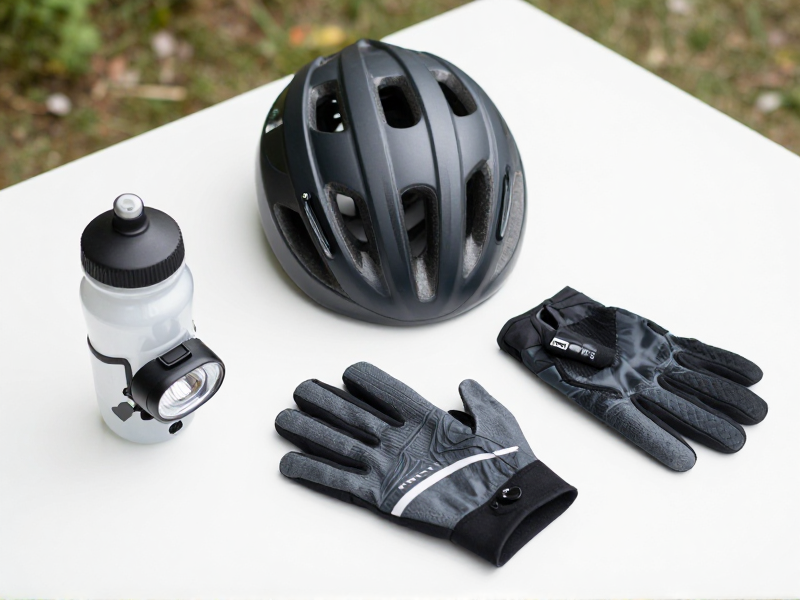
Hill climbing puts extra stress on brakes, tires, and other components. These accessories enhance safety and performance on steep terrain.
Upgraded Brakes and Brake Pads
Hydraulic disc brakes are non-negotiable for hilly terrain. The extra weight and higher speeds of ebikes demand superior stopping power. Consider upgrading to:
- Metallic brake pads for better heat dissipation on long descents
- 203mm rotors (front and rear) for maximum braking power
- Brake cooling fins if you regularly descend long, steep grades
Traction-Focused Tires
Standard city tires can slip on steep climbs, especially in wet conditions. Upgrade to:
- All-terrain tread patterns for mixed surfaces
- Wider tires (2.4-3.0 inches) for more contact patch
- Puncture-resistant layers to avoid being stranded mid-climb
Phone Mount for Navigation
Hilly terrain often means exploring new routes. The Quad Lock Phone Mount provides rock-solid attachment with vibration dampening, crucial when bumping up rough climbs. Its twist-lock system prevents your phone from ejecting on rough descents.
Security for High-Value E-Bikes
Powerful ebikes attract thieves. Protect your investment with serious security:
- Kryptonite New York Fahgettaboudit Chain Lock - Maximum security with Sold Secure Diamond rating
- ABUS Granit X-Plus 540 U-Lock - German engineering with top security ratings
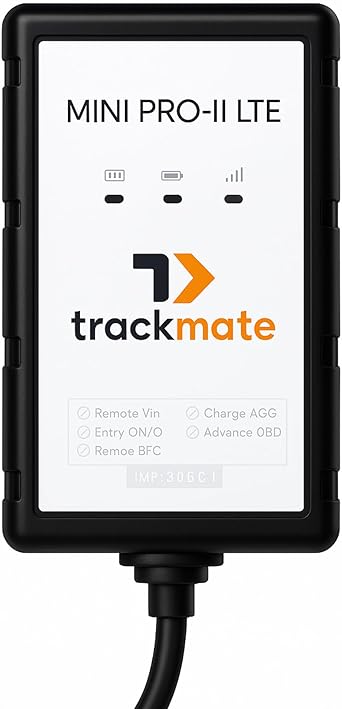
- Tile Pro GPS Tracker - Compact tracker to locate your ebike if stolen
FAQ: E-Bikes for Hills
What motor size do I need for steep hills?
For hills above 12% grade, you need at least a 750W motor with 80+ Nm of torque. Mid-drive motors perform better than hub motors on steep sustained climbs because they leverage your bike's gearing. A 750W mid-drive typically outclimbs a 1000W hub motor on grades exceeding 15%.
Can electric bikes go up steep hills without pedaling?
Most ebikes with throttle-only mode can climb moderate hills (under 10%) without pedaling, but power and efficiency drop significantly. On steep hills above 12%, you'll need to pedal to help the motor, even with a powerful 750W+ system. Pedaling reduces motor strain, extends battery life, and prevents overheating.
How does hill climbing affect e-bike battery range?
Climbing hills can reduce battery range by 40-60% compared to flat terrain. A 500Wh battery providing 40 miles on flat ground might only deliver 15-25 miles of sustained climbing. Factors include grade steepness, rider weight, wind resistance, and how much you pedal to assist the motor.
Are mid-drive or hub motors better for hills?
Mid-drive motors significantly outperform hub motors on steep hills because they use your bike's gears to multiply torque. A 750W mid-drive with proper gearing can outclimb a 1000W hub motor on grades above 12%. Mid-drives also maintain better traction and balance on technical climbs.
What's the best affordable e-bike for hills?
The Velotric Discover 2 offers the best value for hill climbing under $1,600, with a 500W motor and 692Wh battery that handles 10-15% grades confidently. For extreme hills, the Ride1Up Prodigy XR provides 750W mid-drive power at a competitive price point around $2,000.
Conclusion: Conquer Any Hill with Confidence
The best ebikes for hills transform challenging climbs from exhausting slogs into effortless cruises. Whether you need the budget-friendly power of Velotric, the premium performance of Ride1Up, or the cargo-hauling capability of Yuba, there's a hill-climbing ebike matched to your terrain and budget.
Focus on motor torque over raw wattage, prioritize mid-drive systems for steep sustained climbs, and don't skimp on battery capacity if you face serious elevation gain. The right ebike doesn't just make hills easier—it makes them fun.
Ready to stop dreading hills on your commute? Explore our detailed reviews of Ride1Up, Velotric, and Engwe models to find your perfect hill-conquering companion. Don't forget essential accessories like the Quad Lock Phone Mount for navigation and Kryptonite locks to protect your investment.
Affiliate Disclosure
Discussion
Sign in with GitHub to leave a comment. Your replies are stored on this site's public discussion board.