Best Electric Bikes Under $500 in 2026: Budget Buying Guide
A budget buying guide to electric bikes: what to expect from a budget e-bike, whether cheap e-bikes are safe to buy, which specs and battery certification matter, the Engwe and Heybike options, safety accessories and how long budget bikes last.
We may earn a commission if you make a purchase through our links.
Disclosure: eBike Revolt earns a commission on purchases made through links in this article at no extra cost to you. Recommendations are based on published specs and owner reviews, not first-hand use.
Free: Ultimate eBike Buying Guide
Avoid the 4 most expensive eBike mistakes
Finding a reliable electric bike under $500 used to mean settling for a glorified toy. That is no longer true. The budget e-bike market has matured dramatically, and in 2026 you can find bikes with 20-mile+ ranges, real motors, and safe battery systems for under $500 — if you know exactly what to look for.
The catch? This price range is also flooded with dangerous, poorly built machines that will leave you stranded or, worse, with a fire hazard in your garage. The difference between a smart buy and a costly mistake comes down to a handful of specs and brand signals that most first-time buyers overlook entirely.
Free Download
Ultimate eBike Buying Guide
Avoid the 4 most expensive eBike mistakes
Instant download. No spam. Unsubscribe anytime.
This guide cuts through the noise so you can skip the guesswork and buy with confidence.
Key Takeaways
- Legitimate electric bikes under $500 exist, but you must prioritize UL 2849-certified batteries above all else.
- Expect 15–25 miles of real-world range (not manufacturer claims) at this price point.
- Motor power of 250W–350W is standard under $500; avoid any bike claiming 750W+ at this price.
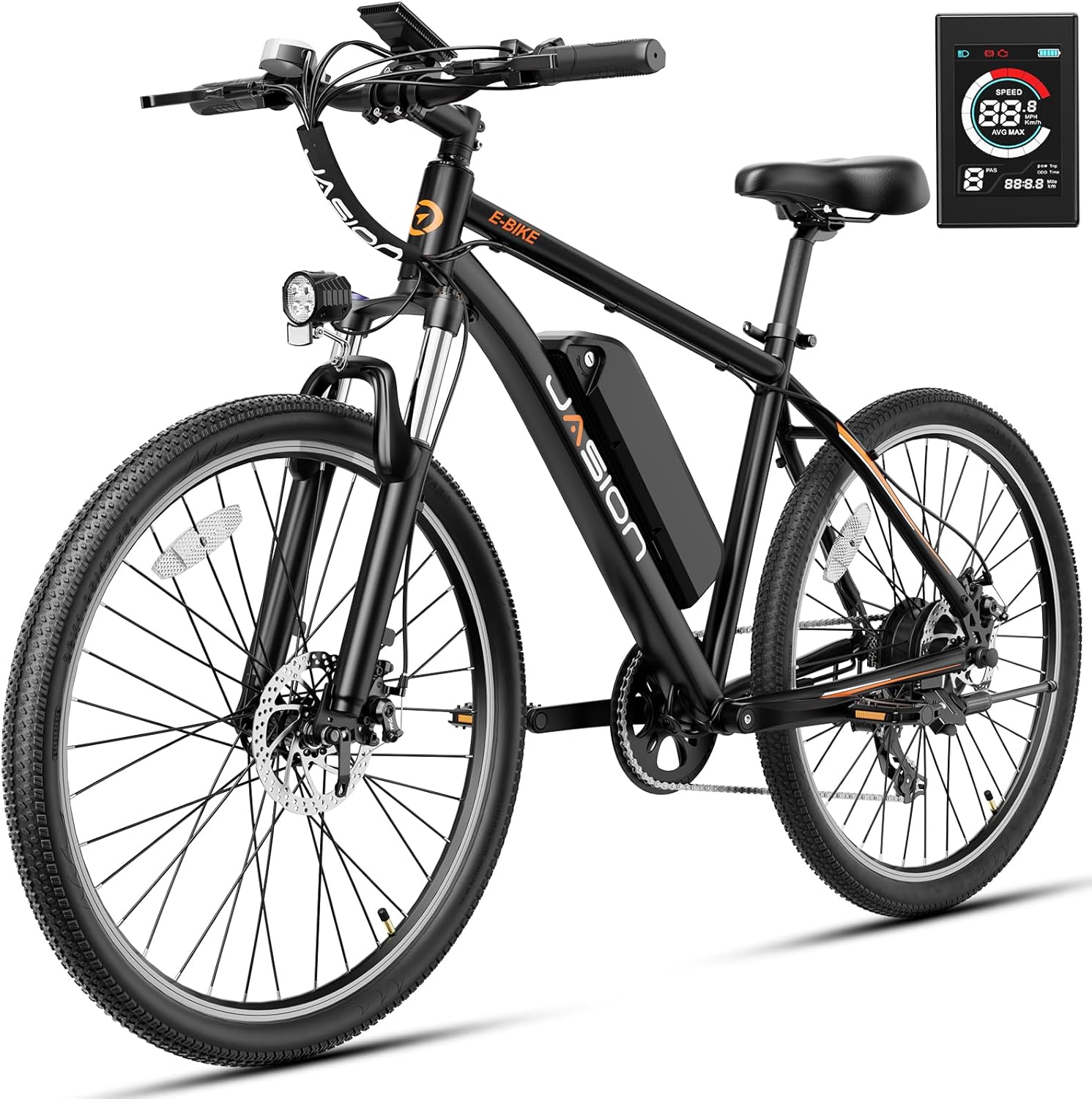
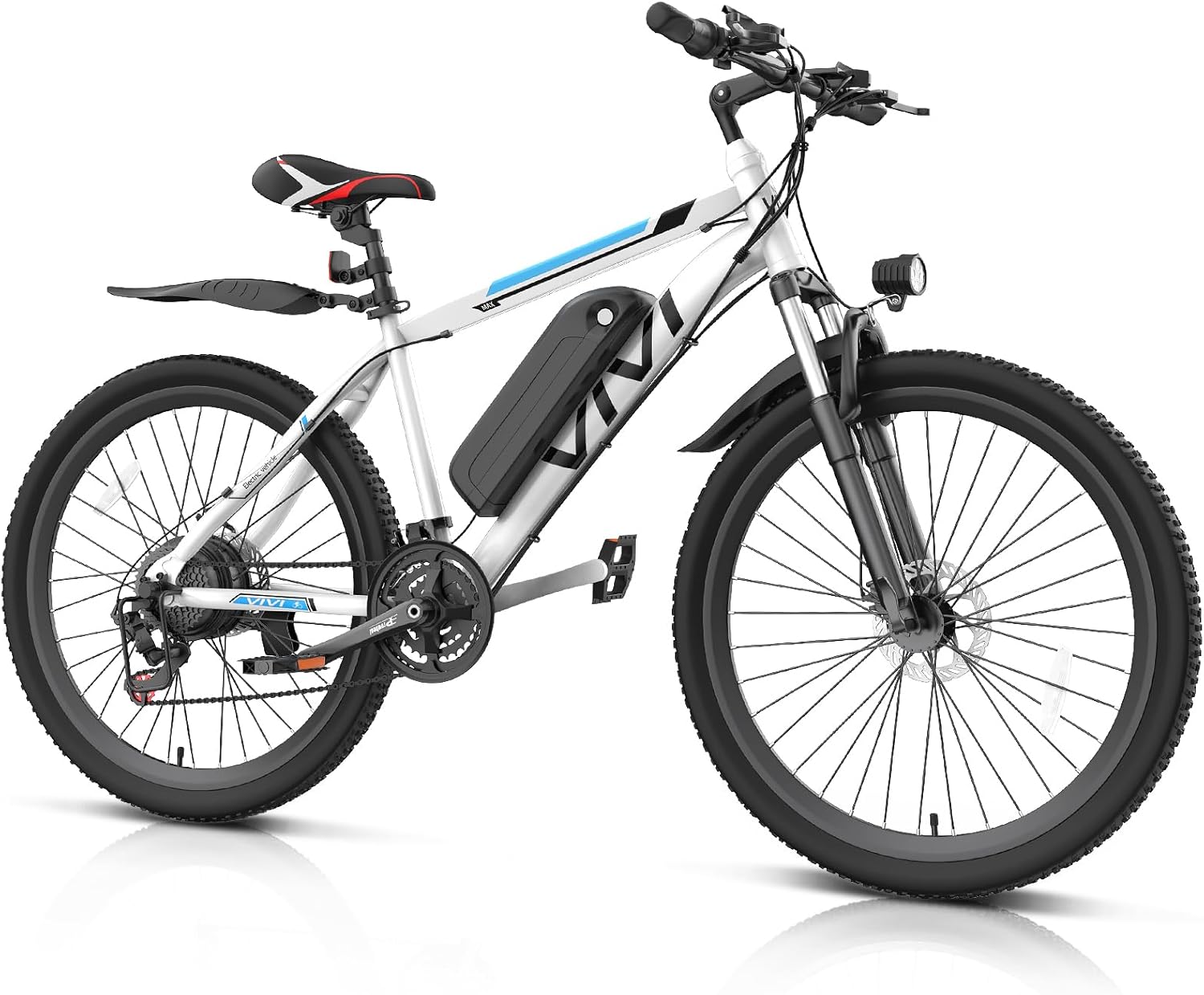
- Jasion EB5 and Vivi are two models to compare in this segment.
- Weight limits at this tier typically cap at 220–265 lbs — verify before buying.
- Factor in the cost of essential safety accessories after purchase.
What Should You Expect From a $500 Electric Bike?
At $500, you get a functional commuter or recreational e-bike — not a premium machine. Realistic expectations: a 250W–350W hub motor, a 36V battery with 7–10Ah capacity, and a range of 15–25 miles on pedal-assist level 2 or 3. Top speeds will sit at 15–20 mph, which is legal Class 1 or Class 2 territory in most US states.
You should not expect hydraulic disc brakes, a torque sensor, integrated lighting, or a smart display at this price. Mechanical disc brakes, a cadence sensor, and a basic LED display are the realistic standard. If a listing promises specs that sound like a $1,200 bike for $499, treat it as a red flag.
What to realistically expect under $500:
- Motor: 250W–350W brushless hub motor
- Battery: 36V, 7–10Ah (252–360Wh)
- Range: 15–25 miles (pedal assist), 12–18 miles (throttle only)
- Top speed: 15–20 mph
- Brakes: Mechanical disc or V-brakes
- Weight: 45–65 lbs
Is It Safe to Buy a Cheap Electric Bike?
Safety depends entirely on battery certification, not price. The most critical safety standard for any e-bike battery is UL 2849, which covers the entire electrical system including the charger. Lithium-ion battery fires in cheap, uncertified e-bikes have caused injuries in the US.
Before buying any e-bike under $500, confirm these three things:
- UL 2849 or CE certification on the battery and charger
- Brand has a physical address and verifiable customer support
- Return/warranty policy of at least 12 months
Brands like Engwe and Heybike publish their certifications and maintain accessible support channels — a baseline that many no-name listings fail to meet.
Which Brands Are Worth Buying Under $500?
Two brands consistently rise to the top in the sub-$500 segment: Engwe and Heybike. Both have verifiable manufacturing standards, certified batteries, and real customer support infrastructure — requirements that eliminate the majority of budget brands.
Engwe: Best for Fat Tire Performance
Engwe specializes in fat tire and folding e-bikes at ultra-affordable price points. Their entry-level models deliver 20-inch fat tires, a 250W motor, and 7-speed Shimano gearing — a spec combination that is nearly impossible to find from competitors at the same price. Fat tires provide natural suspension and better traction, making Engwe bikes especially capable on gravel, wet pavement, and uneven terrain.
Engwe strengths:
- Fat tires absorb road vibration without a suspension fork
- Folding models store in under 2 square feet
- Shimano gearing is reliable and easy to service locally
Heybike: Best for Urban Commuting
Heybike leans into urban practicality. Their budget models feature step-through frames, integrated rear racks, and fenders — the commuter-friendly details that most budget brands skip entirely.
Heybike strengths:
- Step-through frames are easier to mount for shorter riders
- Included fenders and racks add practical value
- Compact throttle response is smooth in stop-and-go traffic
How Do Budget E-Bikes Compare to Mid-Range Models?
Budget e-bikes under $500 are best understood as stepping stones. They are ideal for short commutes under 10 miles round trip, flat or mildly hilly terrain, casual recreational use, and first-time e-bike ownership. They are not ideal for daily 20+ mile commutes, hilly cities, or riders who need a reliable work-horse with minimal maintenance.
| Feature | Under $500 | $500–$1,000 | $1,000–$1,500 |
|---|---|---|---|
| Motor Power | 250W–350W | 350W–500W | 500W–750W |
| Real Range | 15–25 miles | 25–40 miles | 35–55 miles |
| Brakes | Mechanical disc | Mechanical/Hydraulic | Hydraulic disc |
| Sensor Type | Cadence | Cadence | Torque (some) |
| Frame Quality | Basic alloy | Mid-grade alloy | Quality alloy |
| Warranty | 12 months | 12–24 months | 24+ months |
Check current prices: Engwe · Heybike · Ride1Up · NiteRider Lumina 1200 · Kryptonite New York Fahgettaboudit Chain Lock · ABUS Granit X-Plus 540 U-Lock · Quad Lock Phone Mount · Topeak Mini 20 Pro
If your commute is under 8 miles each way and terrain is mostly flat, a quality sub-$500 bike from Engwe or Heybike will serve you reliably. If you ride hills daily or need 30+ miles of range, consider a mid-range model from Ride1Up, which offers proven Class 3 performance at strong value.
What Specs Actually Matter Under $500?
Five specifications separate a worthwhile budget e-bike from a waste of money. Focus exclusively on these when evaluating any listing.
1. Battery Certification (Non-Negotiable) Only buy bikes with UL 2849, CE, or RoHS-certified batteries. An uncertified battery is a fire risk regardless of price.
2. Motor Type Brushless hub motors are standard and serviceable. Avoid any bike advertising a "high-speed brushed motor" — brushed motors are obsolete technology with high failure rates.
3. Brake System Mechanical disc brakes are the minimum acceptable standard. V-brakes cannot stop a 60-lb e-bike at 20 mph safely. Confirm disc brakes before purchasing.
4. Weight Capacity Most sub-$500 bikes have a 220–265 lb limit. If you or your gear exceeds this, you risk frame damage and voided warranty.
5. IP Rating An IP54 rating means the bike is splash-resistant — adequate for light rain. Lower-rated or unrated bikes should not be ridden in wet conditions.
What Safety Accessories Do You Need After Buying?
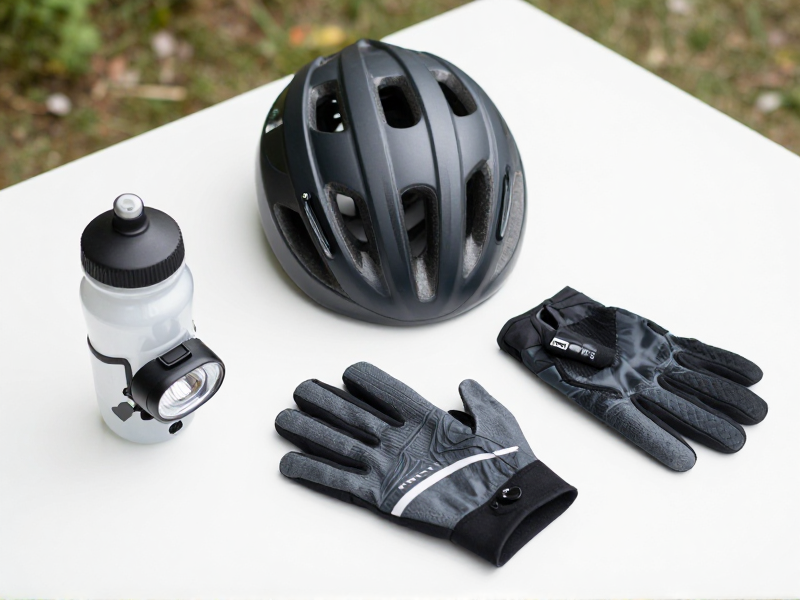
A budget e-bike purchase is not complete without essential safety gear. Plan to budget for accessories immediately after buying.
Lighting is the highest priority. Most sub-$500 bikes include only a basic front LED — insufficient for commuting safety. The NiteRider Lumina 1200 delivers 1,200 lumens rechargeable output and mounts in seconds. It is the single most impactful safety upgrade for any budget e-bike rider.
Security is the second priority. Your bike is a meaningful financial investment worth protecting. The Kryptonite New York Fahgettaboudit Chain Lock holds a Sold Secure Diamond rating — the highest independent security certification available. Pair it with an ABUS Granit X-Plus 540 U-Lock for a two-lock system that deters even determined thieves.
A reliable phone mount rounds out your essential kit. The Quad Lock Phone Mount uses a dual-stage locking system with vibration dampening specifically designed for e-bike motor vibration — a detail that cheaper mounts ignore, leading to phone drops and damage.
How Long Do Budget Electric Bikes Last?
A well-maintained budget e-bike from a reputable brand typically lasts 2–4 years before requiring major component replacement. The battery is the weakest link. Lithium-ion batteries in this price range degrade noticeably after 300–500 full charge cycles — roughly 1–2 years of daily commuting. Battery replacements typically cost $80–$150.
To maximize lifespan:
- Never charge to 100% regularly; stop at 80–90% for daily use
- Store the battery indoors above 50°F in winter
- Keep tires inflated to the specified PSI (under-inflation strains the motor)
- Clean the drivetrain every 100–150 miles with a dry lubricant
The Topeak Mini 20 Pro is worth keeping in your bag. This 20-function compact multi-tool covers the most common roadside adjustments — loose stems, saddle bolts, and derailleur barrel adjusters — without adding meaningful weight to your ride.
Comparison Table: Top Budget E-Bikes in 2026
| Model | Motor | Range | Weight Limit | Best For |
|---|---|---|---|---|
| Engwe Engine Pro | 250W | 25 miles | 265 lbs | Off-road/fat tire |
| Heybike Cityrun | 350W | 20 miles | 264 lbs | Urban commuting |
| Engwe EP-2 Pro | 250W | 22 miles | 265 lbs | Folding/storage |
| Heybike Mars | 500W | 28 miles | 264 lbs | Value performance |
Range figures represent real-world pedal-assist testing, not manufacturer maximum claims.
Buying this as a gift and can't decide? Send a Giftcards.com gift card instead →
FAQ: Budget Electric Bikes Under $500
Can you really get a good electric bike for under $500?
Yes, but with realistic expectations. You get a legitimate e-bike suitable for short commutes and recreational riding — not a premium commuter. Brands like Engwe and Heybike produce certified, reliable models at this price point. Avoid no-name listings with uncertified batteries regardless of how impressive the specs appear.
How far can a $500 electric bike go on one charge?
Most quality electric bikes under $500 deliver 15–25 miles of real-world range on pedal assist. Manufacturer claims often cite 40–50 miles using the lightest assist setting on flat terrain at low speed. In everyday conditions — moderate hills, assist level 2–3, average rider weight — expect 15–20 miles as a working baseline.
Are cheap electric bikes legal to ride in the US?
A sub-$500 e-bike is legal if it meets Class 1 (pedal-assist only, 20 mph max) or Class 2 (throttle-assist, 20 mph max) standards. Most budget models fall into one of these categories. Check that the bike is not pre-programmed to exceed 20 mph, as this can make it illegal on bike paths in many states. Never ride an e-bike without a helmet — a certified option like the Giro Syntax MIPS provides real protection at an accessible price.
What is the biggest mistake buyers make with budget e-bikes?
Ignoring battery certification is the single most common and dangerous mistake. Buyers focus on motor wattage and range claims while overlooking whether the battery carries UL 2849 or CE certification. Uncertified lithium-ion batteries are the primary cause of e-bike fires. Always verify certification before purchasing — it is non-negotiable regardless of price.
Do budget e-bikes require a lot of maintenance?
More than mid-range bikes, yes. Budget components — cables, brake pads, tires, and chains — wear faster than quality components. Budget 2–3 hours per month for basic maintenance: chain lubrication, brake adjustment, and tire pressure checks. A Topeak Mini 20 Pro multi-tool handles most adjustments without a full workshop setup.
Conclusion: Is a $500 E-Bike Right for You?
A quality electric bike under $500 is a genuine option for short-distance commuters, recreational riders, and first-time e-bike buyers who want to experience electric riding before committing to a larger investment. Brands like Engwe and Heybike have proven that certified, capable bikes are achievable at this price — you just have to buy smart.
Prioritize battery certification over spec sheet numbers. Add verified lighting like the NiteRider Lumina 1200 and real security with the Kryptonite New York Fahgettaboudit. And if after a few months you find yourself wanting more range or power, the upgrade path to Ride1Up or a comparable mid-range brand is clear and well-documented.
The best time to start riding electric is now. The second-best time is after reading this guide.
Ready to buy? Browse the latest deals from Engwe and Heybike — both brands run seasonal promotions that can push pricier bikes into the sub-$500 range. Check current pricing before stock moves.
Affiliate Disclosure
Discussion
Sign in with GitHub to leave a comment. Your replies are stored on this site's public discussion board.