Product Comparison · Cargo E-Bikes
Cargo E-Bike vs Car: Cost Comparison for Families
Annual car ownership costs compared with what a cargo e-bike costs to own and operate, how much a family can save by switching, whether a cargo bike can replace a car, models and accessories to consider and hidden costs and benefits.
Disclosure: This article contains affiliate links. If you purchase through our links, we may earn a commission at no extra cost to you. We only recommend products we've researched and believe in.
For millions of American families, the car is the second-largest household expense — right behind the mortgage. But a growing number of parents are discovering that a cargo e-bike can handle school drop-offs, grocery runs, and weekend errands at a fraction of the cost. The question is: how much can you actually save?
The average American spends thousands of dollars per year operating a single vehicle. A quality electric cargo bike costs under $5,000 upfront and roughly $300 per year to run. If you're a two-car household, replacing even one vehicle with a family e-bike could free up thousands of dollars annually.
This guide breaks down every cost — purchase price, fuel, insurance, maintenance, and hidden savings — so you can make a data-driven decision for your family.
Key Takeaways
- The average American spends thousands of dollars per year on a single car
- A cargo e-bike costs $1,000–$5,000 upfront and roughly $300/year to operate
- Families replacing a second car with a cargo e-bike can save $8,000–$11,000 per year
- Electric cargo bikes like those from Yuba Cargo Bikes can carry 400+ lbs, including two kids and groceries
- Cargo e-bikes cost approximately $0.03 per mile to operate vs. $0.16 per mile for a gas vehicle
- Break-even on a $4,000 cargo e-bike vs. a car second vehicle is typically under 6 months
How Much Does Owning a Car Cost a Family Per Year?
The true annual cost of car ownership is far higher than most families realize. Most families dramatically underestimate this figure because they only think about gas and monthly payments.
Here is where that money actually goes each year:
| Car Expense | Annual Cost |
|---|---|
| Car payment (avg. new vehicle) | $8,028 |
| Auto insurance | $1,771 |
| Fuel (avg. 13,500 miles/year) | $2,100 |
| Maintenance & tires | $1,153 |
| Registration & taxes | $675 |
| Parking & tolls | $600 |
| Total (new car) | ~$14,327 |
Check current prices: Yuba Cargo Bikes · Engwe · Heybike · Kryptonite Bike Lock · Ride1Up · Topeak Super Tourist DX Rear Rack · Topeak MTX TrunkBag DXP · Quad Lock Phone Mount
Engwe code: RETURN30 takes $100 off at engwe-bikes.com (US only; listed through Feb 2028) — shop Engwe.
For used-car families, the payment drops but insurance, fuel, and maintenance often stay high. A reliable used vehicle still costs $7,000–$9,000 per year all-in. Two-car households are spending $18,000–$28,000 annually just on transportation.
What Does a Cargo E-Bike Cost to Own and Operate?
A cargo e-bike costs between $1,500 and $5,500 to purchase and roughly $250–$350 per year to operate. This makes it 95% cheaper per mile than a car for most common family trips.
The full cost breakdown looks like this:
| Cargo E-Bike Expense | Annual Cost |
|---|---|
| Purchase (amortized over 5 years) | $400–$1,100 |
| Electricity (charging) | $30–$50 |
| Maintenance (chain, brakes, tires) | $150–$250 |
| Accessories & upgrades | $100–$200 |
| Lock & security | $50–$100 |
| Total per year | $730–$1,700 |
The operating cost per mile on an electric cargo bike is approximately $0.03, compared to $0.16 per mile for the average gas-powered car. On a 10-mile round-trip school run done 200 days a year, that's a difference of $260 per year on that single route alone.
Top-tier family cargo options like Yuba Cargo Bikes are engineered to last 10+ years with proper maintenance, which further shrinks the amortized annual cost.
How Much Can Families Save Switching to a Cargo E-Bike?
Families who replace a second car with a cargo e-bike typically save $6,000–$11,000 per year. Even families who keep both cars and use an e-bike for short trips save $1,500–$3,000 annually just in fuel and parking.
The math depends on your scenario:
Scenario 1: Replace a Second Car Entirely
- Eliminate car payment: save $4,000–$8,000/year
- Drop insurance on second vehicle: save $1,200–$1,800/year
- Eliminate fuel costs: save $1,500–$2,500/year
- Reduce maintenance: save $800–$1,200/year
- Subtract e-bike operating costs: -$730 to -$1,700/year
- Net annual savings: $6,770–$11,800
Scenario 2: Keep Both Cars, Add an E-Bike
- Replace 50% of short car trips (under 5 miles): save $800–$1,200/year
- Reduce parking costs: save $300–$600/year
- Health benefits (reduced gym membership, fewer sick days): save $500–$1,000/year
- Net annual savings: $1,600–$2,800
Affordable options like Engwe and Heybike start under $1,500, meaning budget-conscious families can hit break-even in under three months on Scenario 2 alone.
Can a Cargo E-Bike Replace a Family Car?
A cargo e-bike can replace a family car for 60–80% of daily trips for most suburban and urban families. The average American car trip is just 5.9 miles, well within the 20–60 mile range of most electric cargo bikes.
Cargo e-bikes handle these tasks without a car:
- School drop-offs with two children using front or rear child seats
- Grocery shopping with 50–100 lbs of cargo capacity on most models
- Daycare, sports practice, and after-school pickups
- Weekend errands including hardware store runs and farmers markets
- Commuting up to 20–30 miles one-way with a mid-range battery
Where cargo e-bikes fall short: highway trips, long-distance travel, and extreme weather conditions. They also require secure parking and reliable locking. A Kryptonite Bike Lock is a must-have investment to protect a $3,000+ bike.
A proven rule of thumb used by the family e-bike community: if a trip is under 7 miles and you don't need the highway, the e-bike wins every time.
Which Cargo E-Bikes Are Best for Families?
The best cargo e-bikes for families in 2025 are Yuba Cargo Bikes for maximum hauling, Ride1Up for value-focused buyers, and Engwe for budget-first shoppers. Each serves a different family budget and use case.
Yuba Cargo Bikes — Best for Heavy Hauling
Yuba is the industry pioneer in family cargo cycling. Their longtail and bakfiets models carry up to 440 lbs combined, fit two child seats, and are purpose-built for daily family use. Prices range from $3,200 to $5,500.
Best for: Families with two or more kids, heavy grocery loads, replacing a minivan for school runs.
Ride1Up — Best Value Cargo Option
Ride1Up builds Class 3 electric bikes that reach 28 mph and carry substantial cargo via accessories. At $1,295–$1,895, they represent one of the best dollar-per-mile values in the market. Their bikes come from Uber and Lime veterans who understand durability under real-world stress.
Best for: One-child families or parents who want cargo capability without committing to a full longtail.
Engwe & Heybike — Best Budget Entry Points
Engwe and Heybike offer fat-tire and folding e-bikes starting under $1,000. While they lack the cargo-specific geometry of a Yuba, they're excellent starter bikes for families testing the cargo lifestyle. Both brands have active owner communities and strong resale value.
Best for: Budget-conscious families, apartment dwellers who need foldability, and first-time e-bike buyers.
What Accessories Do Families Need for Cargo Riding?
Every family cargo setup requires 3–5 core accessories to be practical and safe. Budgeting $300–$500 for accessories on top of your bike purchase is the industry-standard recommendation.
Essential family cargo accessories:
- Rear rack — The Topeak Super Tourist DX Rear Rack handles up to 55 lbs and fits most e-bikes. Essential if your bike doesn't have one integrated.
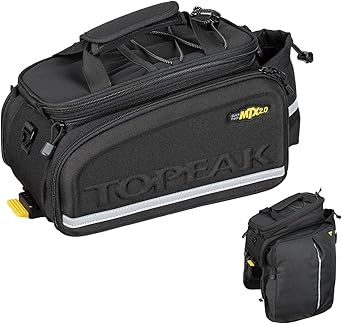
- Panniers or trunk bag — The Topeak MTX TrunkBag DXP expands to 23L and clips directly to a compatible rack. Perfect for groceries and school gear.
- Security lock — A Kryptonite Bike Lock is non-negotiable. Cargo e-bikes are high-theft targets given their $2,000–$5,000 value.
- Phone mount — A Quad Lock Phone Mount keeps navigation accessible without buzzing loose on rough roads.
- Child seat — Brand-specific or universal seats vary; budget $150–$350 for a quality option.
What Are the Hidden Costs and Benefits?
The hidden financial benefits of cargo e-bikes often outweigh the visible savings. Families consistently report health, time, and quality-of-life gains they didn't anticipate when switching.
Hidden financial benefits:
- Reduced healthcare costs — Regular cycling reduces cardiovascular risk. The European Cyclists Federation estimates cyclists save $2,000+ per year in healthcare costs vs. sedentary car commuters.
- No parking fees — Urban families often pay $1,200–$3,600/year in parking. E-bikes park for free.
- Tax incentives — Some states offer e-bike tax credits of $150–$750. The federal e-bike tax credit proposal (under ongoing legislative review) may offer up to 30% back.
- Lower stress — Cargo bike commuting tends to be less stressful than driving in congested traffic.
Hidden costs to plan for:
- Secure storage — A garage or secure parking spot matters. Outdoor bike shelters run $200–$600.
- Rain gear — Budget $100–$200 for quality rain gear to make year-round riding realistic.
- Tire replacement — Cargo bikes wear tires faster under load. Budget $60–$120/year.
Cargo E-Bike vs Car: Full Cost Comparison Table
| Category | New Car | Used Car | Cargo E-Bike |
|---|---|---|---|
| Purchase cost | $48,000+ | $20,000–$30,000 | $1,500–$5,500 |
| Annual operating cost | $12,182 | $7,000–$9,000 | $730–$1,700 |
| Cost per mile | $0.63 | $0.35–$0.50 | $0.03–$0.08 |
| Insurance required | Yes ($1,771/yr avg) | Yes ($1,200+/yr) | Optional (~$100/yr) |
| Fuel cost (annual) | $2,100 | $1,800–$2,500 | $30–$50 |
| 5-year total cost | $60,000–$75,000 | $35,000–$45,000 | $5,000–$10,000 |
Buying this as a gift and can't decide? Send a Giftcards.com gift card instead →
Frequently Asked Questions
Is a cargo e-bike practical for families with young children?
Yes. Cargo e-bikes are extremely practical for families with children aged 1–10. Most longtail models like those from Yuba Cargo Bikes accommodate two child seats simultaneously. Front-loader (bakfiets) designs carry up to three small children in an enclosed cargo box. Over 500,000 families in the Netherlands use cargo bikes as their primary family vehicle.
How far can a cargo e-bike travel on one charge?
Most cargo e-bikes travel 30–60 miles per charge on pedal assist. Load weight, terrain, and assist level all affect range. A fully loaded family bike carrying two kids and groceries on flat terrain typically achieves 25–40 miles. Mid-drive motors (common on premium cargo bikes) are more efficient under heavy loads than hub-drive motors.
Do I need insurance for a cargo e-bike?
Most states do not legally require insurance for Class 1 or Class 2 e-bikes. However, homeowner's or renter's insurance often covers theft and liability for e-bikes under $3,000. For high-value cargo bikes, dedicated e-bike insurance from providers like Velosurance runs $100–$200/year — roughly 10% of car insurance costs.
What is the break-even point on a cargo e-bike vs a car?
If you're eliminating a second car, the break-even point is typically 4–8 months. A $4,000 cargo e-bike vs. the $7,000+ annual cost of a second vehicle means the bike pays for itself before the end of its first year of use.
Can a cargo e-bike handle hills with a full load?
Yes, with the right motor. Look for mid-drive motors with 250W–750W output and a torque rating above 60 Nm for hilly terrain. Brands like Yuba use Bosch and Shimano mid-drive systems specifically calibrated for heavy cargo and gradient climbing.
Conclusion: Is a Cargo E-Bike Worth It for Your Family?
The numbers are clear: a cargo e-bike is one of the most financially sound transportation decisions a family can make. Replacing a second car with a quality electric cargo bike saves the average family $6,000–$11,000 per year, eliminates a significant carbon footprint, and adds daily exercise for the rider.
For families ready to start, Yuba Cargo Bikes offer the most proven family-hauling platform. Budget-first families should explore Engwe or Heybike as accessible entry points. And don't skip the essentials — a Kryptonite lock and a proper rear rack turn a great bike into a complete family hauler.
The best time to make the switch was last year. The second-best time is today.
Ready to calculate your family's savings? Browse our Cargo E-Bikes category for in-depth reviews of every major family hauler on the market in 2025.
Free Download
Ultimate eBike Buying Guide
Avoid the 4 most expensive eBike mistakes
Instant download. No spam. Unsubscribe anytime.
Affiliate Disclosure