Product Comparison · E-Bike Guides
Class 1 vs Class 2 vs Class 3 E-Bikes: Which Classification Is Right for You?
FTC Disclosure: eBike Revolt participates in affiliate programs. When you purchase through our links to retailers like Velotric/go/velotric, Ride1Up/go/ride1up, and Heybike/go/heybike, we may earn a commission at no extr
FTC Disclosure: eBike Revolt participates in affiliate programs. When you purchase through our links to retailers like Velotric, Ride1Up, and Heybike, we may earn a commission at no extra cost to you. This supports our testing and content creation.
Understanding the difference between class 1 vs class 2 vs class 3 e-bikes is essential before buying your first electric bike. The classification system determines your bike's maximum speed, pedal-assist capabilities, and where you're legally allowed to ride. While Class 1 bikes offer pedal-assist up to 20 mph, Class 2 models add a throttle option, and Class 3 bikes reach speeds of 28 mph for serious commuters.
Choosing the wrong e-bike class can mean investing in a bike you can't legally ride on your favorite trails or one that doesn't meet your commuting needs. With over 880,000 e-bikes sold in the US in 2023 alone, manufacturers have standardized around three distinct classifications that balance performance with safety regulations.
Key Takeaways
- Class 1 e-bikes provide pedal-assist only up to 20 mph and are legal on most bike paths and trails across all states
- Class 2 e-bikes include a throttle option alongside pedal-assist, both capped at 20 mph, but face restrictions on some multi-use paths
- Class 3 e-bikes deliver pedal-assist up to 28 mph for faster commuting but are typically banned from traditional bike paths and trails
- Approximately 65% of e-bikes sold in the US are Class 1 models due to their universal trail access
- Class 3 bikes often require riders to be 16+ years old and may mandate helmet use in certain states
What Are E-Bike Classes and Why Do They Matter?
E-bike classes are a three-tier classification system that categorizes electric bikes based on their top speed and how the motor delivers power. This standardization helps municipalities create consistent regulations and allows riders to understand which bikes are legal in specific areas. The system was developed by People for Bikes and has been adopted by 38 states as of 2024.
The classification affects three critical factors: where you can ride, what age restrictions apply, and whether you need special equipment like helmets or insurance. For example, a Class 1 bike from Velotric grants you access to nearly all bike infrastructure, while a Class 3 model might be restricted to roads and bike lanes only.
The Legal Framework Behind E-Bike Classifications
Most states define e-bikes as bicycles rather than motor vehicles, provided they meet class specifications. This distinction exempts them from registration, licensing, and insurance requirements that apply to mopeds and motorcycles. However, local jurisdictions can impose additional restrictions.
The federal Consumer Product Safety Act sets a 750-watt motor limit for all e-bike classes. Beyond that, individual states determine speed limits, age requirements, and where each class can operate. California, for instance, requires Class 3 riders to wear helmets and be at least 16 years old.
What Is a Class 1 E-Bike?
A Class 1 e-bike provides pedal-assist only with no throttle, and the motor cuts off when you reach 20 mph. You must pedal to activate the motor, which amplifies your effort based on the assist level you select. This is the most widely accepted e-bike category for trail access and bike path use.
Class 1 bikes feel like traditional bicycles with a power boost. The pedal-assist system uses torque or cadence sensors to detect your pedaling and delivers proportional motor support. Popular models like the Ride1Up 700 Series offer multiple assist levels from eco mode to turbo, letting you control how much help you receive.
Where Can You Ride a Class 1 E-Bike?
Class 1 e-bikes enjoy the broadest access of any category. They're permitted on roads, bike lanes, multi-use paths, and most mountain bike trails unless specifically prohibited. National forests and many state parks allow Class 1 bikes on non-motorized trails where traditional bikes are permitted.
Urban infrastructure overwhelmingly accommodates Class 1 models. Protected bike lanes, greenways, and rail trails typically welcome them. Mountain bike trail systems increasingly allow Class 1 access, with destinations like Moab and Whistler permitting them on designated routes.
Best Use Cases for Class 1 E-Bikes
Class 1 bikes excel for recreational riders, fitness enthusiasts, and casual commuters who value trail access over maximum speed. They're ideal if you want to extend your range on group rides without leaving slower riders behind or if you're recovering from injury and need adjustable assistance.
These bikes also shine for riders concerned about range. Because there's no throttle draining the battery and the 20 mph limit reduces power consumption, Class 1 models often achieve 40-60 miles per charge. The Heybike Mars demonstrates this efficiency with verified ranges exceeding 50 miles in eco mode.
What Is a Class 2 E-Bike?
A Class 2 e-bike combines pedal-assist and throttle operation, both capped at 20 mph maximum speed. You can pedal with motor assistance like a Class 1, or twist/press the throttle to ride without pedaling at all. This versatility makes Class 2 the most popular choice for urban commuters who face frequent stops.
The throttle functionality provides crucial benefits at intersections and when starting from a complete stop. Instead of wobbling while you build momentum, you can smoothly accelerate into traffic. This feature is particularly valuable for riders with mobility limitations or those carrying heavy cargo on models like the Yuba Spicy Curry.
Class 2 Restrictions and Regulations
Class 2 e-bikes face more limitations than Class 1 models due to the throttle capability. Some municipalities ban them from multi-use paths and certain bike lanes, treating them closer to mopeds. National parks generally prohibit Class 2 bikes on natural surface trails, though they're allowed on paved paths.
State regulations vary significantly. New York allows Class 2 bikes on roads and bike lanes but not on trails through state forests. Colorado permits them on roads but leaves trail access to local land managers. Always verify local ordinances before assuming you can ride where traditional bikes are allowed.
When Does a Throttle Make Sense?
The throttle feature proves invaluable in specific scenarios that go beyond simple convenience. Medical conditions affecting joints or stamina make throttle-equipped bikes necessary rather than optional. Riders with arthritis, knee problems, or cardiovascular limitations can use throttle mode to rest while continuing their journey.
Commercial applications favor Class 2 bikes. Food delivery riders making frequent stops benefit from quick throttle starts. Cargo haulers appreciate the ability to move heavy loads from a standstill without the balance challenges of pedaling. Urban commuters navigating dense traffic use throttle mode for precise speed control in bike lanes.
What Is a Class 3 E-Bike?
A Class 3 e-bike delivers pedal-assist up to 28 mph with no throttle option, though some states allow a throttle that only works up to 20 mph. These high-performance models target serious commuters covering longer distances who need to maintain higher average speeds. The 8 mph advantage over Class 1 and 2 bikes significantly reduces commute times on longer routes.
Class 3 bikes require robust components to handle sustained higher speeds. Expect hydraulic disc brakes, reinforced frames, and higher-quality drivetrains. Premium models from manufacturers like Ride1Up include integrated lights, fenders, and often a speedometer as required equipment in many jurisdictions.
Legal Requirements for Class 3 E-Bikes
Class 3 regulations are the strictest of the three categories. Most states require riders to be at least 16 years old, though some set the minimum at 14 or 17. Helmet laws commonly apply to Class 3 riders even in states where adult cyclists aren't required to wear them.
You'll typically find Class 3 bikes restricted to roads and Class 1 bike lanes only. They're generally prohibited from multi-use paths, sidewalks, and all natural surface trails. Some states require Class 3 bikes to have a speedometer, though enforcement varies. California mandates both a speedometer and restricts Class 3 use to riders 16 and older wearing helmets.
Who Should Choose a Class 3 E-Bike?
Class 3 bikes suit experienced cyclists with longer commutes who can safely handle higher speeds in traffic. If your daily ride exceeds 10 miles each way and you're comfortable navigating urban streets at 25-28 mph, the time savings justify the investment and access restrictions.
These bikes also appeal to fitness riders who want assisted training rides at higher intensities. The 28 mph ceiling lets you maintain speeds that would require significant effort on a traditional bike, extending the duration of quality training rides. Former road cyclists transitioning to e-bikes often prefer Class 3 for maintaining their accustomed pace.
Avoid Class 3 if trail access matters to you or if your routes include multi-use paths. The speed capability becomes irrelevant if you can't legally ride where you want to go. New riders should also reconsider—handling an e-bike at 28 mph requires confident bike-handling skills and traffic awareness.
How Do Class 1, 2, and 3 E-Bikes Compare?
The primary differences between e-bike classes center on maximum speed, motor engagement method, and legal riding areas. Class 1 and 2 bikes both cap at 20 mph but differ in throttle availability, while Class 3 trades universal access for 28 mph performance. Your choice should align with where you'll ride most frequently and whether throttle capability or higher speed serves your needs.
| Feature | Class 1 | Class 2 | Class 3 |
|---|---|---|---|
| Max Speed | 20 mph | 20 mph | 28 mph |
| Throttle | No | Yes | No (varies) |
| Pedal-Assist | Yes | Yes | Yes |
| Bike Paths | Usually yes | Sometimes | Rarely |
| Trail Access | Often allowed | Often restricted | Typically banned |
| Age Limit | Varies (often none) | Varies (often none) | Usually 16+ |
| Helmet Required | Varies by state | Varies by state | Often required |
| Typical Price | $1,000-$2,500 | $1,200-$2,800 | $2,000-$5,000 |
Check current prices: Velotric · Ride1Up · Heybike · Yuba Spicy Curry · Giro Syntax MIPS · NiteRider Lumina 1200 · Garmin Varia RTL515 · Ergon GP1 Grips
Performance Differences in Real-World Riding
Speed limits tell only part of the story. Class 3 bikes typically feature more powerful motors (750W vs 500W) that deliver stronger acceleration and better hill-climbing even below 20 mph. This power difference means a Class 3 bike reaches 20 mph faster and maintains speed on inclines where Class 1 models slow down.
Battery consumption varies significantly between classes. Class 2 throttle use drains batteries 30-40% faster than pedal-assist only. Class 3 bikes at maximum speed consume power rapidly, reducing range to 20-30 miles compared to 40-60 miles for Class 1 bikes in eco mode. Choose based on your typical ride distance and charging access.
What Safety Equipment Do You Need for Each Class?
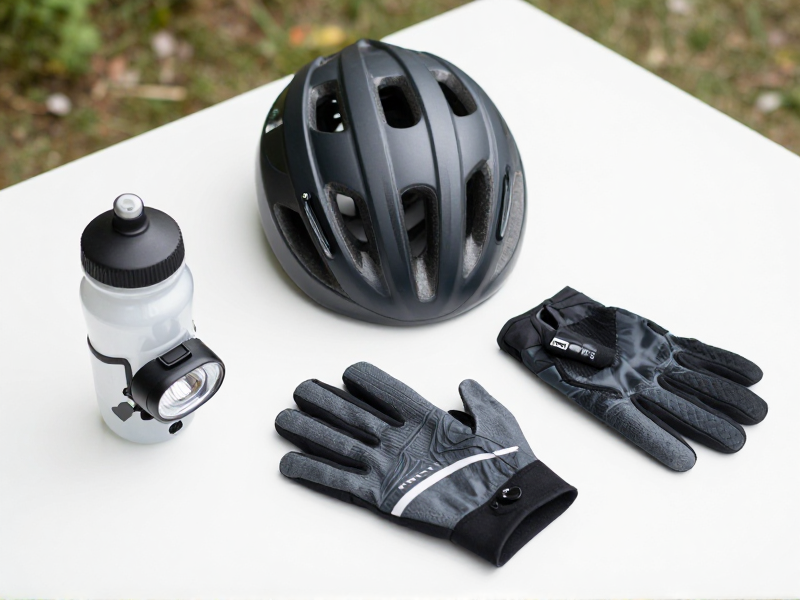
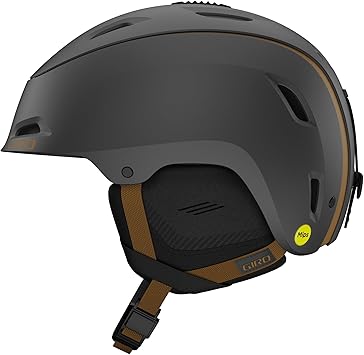
All e-bike classes benefit from essential safety gear regardless of legal requirements. A quality helmet with MIPS protection like the Giro Syntax MIPS should be non-negotiable. Front and rear lights such as the NiteRider Lumina 1200 and Garmin Varia RTL515 dramatically improve visibility during dawn, dusk, and night riding.
Class 3 riders face specific legal requirements in most jurisdictions. Helmets are mandatory in states including California, Washington, and New Jersey for Class 3 operation. Some areas require a rearview mirror and speedometer, though enforcement remains inconsistent.
Recommended Accessories by Class
Class 1 riders should prioritize comfort accessories for longer recreational rides. Ergon GP1 Grips reduce hand fatigue on extended trail rides. A Quad Lock Phone Mount provides navigation access without the vibration damage common with cheaper mounts.
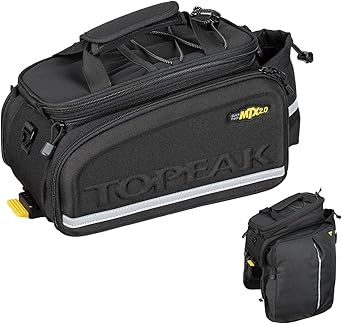
Class 2 urban commuters need cargo solutions and weather protection. The Topeak MTX TrunkBag DXP expands to carry groceries or work gear. Waterproof options like the Rhinowalk Waterproof Panniers protect belongings during unexpected rain.
Class 3 riders require maximum security and visibility. A premium lock such as the Kryptonite New York Fahgettaboudit matches the higher bike value. The Garmin Varia RTL515 radar tail light alerts you to approaching vehicles—critical when riding at 28 mph in traffic.
Can E-Bike Classes Be Modified or Changed?
Technically, yes—e-bikes can be modified to change their classification, but doing so creates serious legal and safety concerns. Some manufacturers sell "off-road" firmware or physical modifications that remove speed limiters or enable throttle on Class 1/3 bikes. However, operating a modified e-bike on public infrastructure is illegal in most jurisdictions.
Insurance implications matter too. If you're involved in an accident while riding a modified e-bike that exceeds its labeled classification, your liability insurance may refuse coverage. The bike could be reclassified as an unlicensed motor vehicle, exposing you to citations and legal liability.
Speed Limiters and Assist Levels
Most quality e-bikes include multiple pedal-assist levels (typically 3-5 modes) that let you reduce power output without changing the bike's classification. Eco mode on a Class 3 bike still makes it Class 3, but you'll conserve battery and ride at lower speeds by choice. This flexibility lets one bike serve multiple purposes.
Some bikes offer configurable top speeds through the display menu. You might set a Class 3 bike to 20 mph limiting for a specific ride on a path where Class 3 is prohibited. While technically still a Class 3 bike by design, this demonstrates good judgment and reduces conflict with trail users.
Which E-Bike Class Should You Choose?
Choose Class 1 if trail access and recreational riding matter most to you, especially for mountain biking or riding in parks where motorized vehicles are restricted. The universal acceptance and efficient battery use make Class 1 ideal for riders who prioritize where they can ride over maximum speed. Approximately 65% of e-bike buyers select Class 1 for exactly these reasons.
Select Class 2 if you commute in stop-and-go urban traffic, have mobility limitations that make starting from stops difficult, or regularly carry cargo. The throttle capability provides crucial assistance in scenarios where pedaling is impractical. Just verify your local regulations permit Class 2 bikes on your intended routes.
Opt for Class 3 only if you have a long road commute (10+ miles each way), ride exclusively on streets and bike lanes, and possess confident traffic-riding skills. The speed advantage saves 10-15 minutes on a typical 15-mile commute compared to a 20 mph bike, but you sacrifice trail access and face stricter regulations.
Budget Considerations Across Classes
Class 1 bikes offer the best value proposition for most riders. Quality models from Heybike and Engwe start around $1,000-$1,400 with solid components and 40+ mile ranges. The simpler design without throttle systems reduces manufacturing costs passed on to buyers.
Class 2 bikes typically cost $200-$400 more than comparable Class 1 models due to the additional throttle mechanism and associated wiring. Budget options exist, but be cautious of bikes under $1,000 with throttles—they often use cheaper components that fail prematurely under the added stress of throttle use.
Class 3 bikes command premium prices starting around $2,000 and reaching $5,000+ for quality builds. The higher speeds require better brakes, stronger frames, and more robust drivetrains. However, brands like Ride1Up offer exceptional Class 3 value with models like the 700 Series at $1,695, undercutting competitors by $500-$1,000.
How to Verify Your E-Bike's Classification
All compliant e-bikes manufactured after 2021 must display a label indicating their class. Look for a sticker or permanently affixed plate on the frame near the motor or battery showing "Class 1," "Class 2," or "Class 3" along with the top speed and motor wattage. This label serves as your proof of classification for law enforcement or trail personnel.
If you're buying used or the label is missing, check the manufacturer's specifications on their website. Look for three key specs: maximum assisted speed, motor wattage, and whether a throttle is present. Cross-reference these with class definitions to determine the correct classification.
What If Your Bike Doesn't Have a Class Label?
Older e-bikes manufactured before widespread class adoption may lack labels but still fit into the classification system. Measure the maximum assisted speed using a GPS cycling computer and note whether you can activate the motor without pedaling. Most pre-2018 e-bikes with 20 mph limits and no throttle qualify as Class 1.
Some imported bikes arrive without proper labeling to avoid classification scrutiny. While you might technically ride such a bike, the lack of labeling creates problems if questioned by authorities. Consider adding an aftermarket class label that accurately reflects the bike's specifications, though this doesn't make an illegal bike legal.
Frequently Asked Questions
Can you ride a Class 3 e-bike on bike paths?
Generally no—Class 3 e-bikes are prohibited on most multi-use paths and bike trails. They're typically restricted to roads and designated bike lanes. However, regulations vary by state and municipality, so always check local ordinances for your specific riding area.
Do you need a license for Class 1 or Class 2 e-bikes?
No license is required for Class 1 or Class 2 e-bikes in any US state. These bikes are legally classified as bicycles, not motor vehicles, exempting them from registration, licensing, and insurance requirements. Age restrictions may apply in some states, typically requiring riders to be 14-16 years old.
What's the real-world speed difference between classes?
Class 1 and 2 bikes both max out at 20 mph with assistance. Class 3 bikes reach 28 mph. In practice, this means a 10-mile commute takes approximately 30 minutes on a Class 1/2 bike versus 21-23 minutes on a Class 3 bike, assuming you can sustain maximum speeds.
Can you convert a Class 1 bike to Class 3?
Physically possible but legally problematic—you can install firmware or hardware modifications to increase speed limits, but operating the modified bike on public infrastructure is illegal. The bike's classification label reflects its legal status, and modifications don't change that designation.
Are Class 2 e-bikes allowed on mountain bike trails?
Usually not—most trail systems that allow e-bikes restrict access to Class 1 only. The throttle capability on Class 2 bikes typically disqualifies them from natural surface trails managed by federal, state, and local land agencies. Always verify specific trail regulations before riding.
Conclusion: Making the Right Class Choice for Your Riding
Understanding class 1 vs class 2 vs class 3 e-bikes comes down to matching the right tool to your specific needs. Class 1 bikes offer universal access and efficiency for recreational riders and casual commuters. Class 2 models add throttle convenience for urban riders making frequent stops or those with mobility considerations. Class 3 bikes deliver speed for serious road commuters willing to sacrifice trail access.
The majority of riders find Class 1 strikes the best balance of performance, access, and value. You can ride virtually anywhere traditional bikes are permitted while enjoying 20 mph assisted speeds that make most rides comfortable and practical.
Ready to find your perfect e-bike? Explore our recommendations at Velotric for modern, well-designed models, Ride1Up for exceptional value in all three classes, or Heybike for affordable options. Don't forget essential accessories like the Kryptonite New York Fahgettaboudit to protect your investment and the Garmin Varia RTL515 for enhanced safety.
Choose wisely, ride legally, and enjoy the electric revolution in cycling.
Free Download
Ultimate eBike Buying Guide
Avoid the 4 most expensive eBike mistakes
Instant download. No spam. Unsubscribe anytime.
Affiliate Disclosure