How to Convert a Bike to Electric: Complete DIY eBike Conversion Guide
FTC Disclosure: This article contains affiliate links. If you purchase through our links, we may earn a commission at no extra cost to you. This helps us continue providing honest, detailed content. Thinking about conve
FTC Disclosure: This article contains affiliate links. If you purchase through our links, we may earn a commission at no extra cost to you. This helps us continue providing honest, detailed content.
Thinking about converting your regular bike into an electric bike? A DIY eBike conversion can save you hundreds of dollars compared to buying a new electric bike, while letting you keep the bike frame you already love. Whether you're looking to make your daily commute easier or add extra power for weekend adventures, converting your bike to electric is more accessible than ever with modern conversion kits.
Free: Ultimate eBike Buying Guide
Avoid the 4 most expensive eBike mistakes
The global eBike conversion kit market has exploded in recent years, with prices ranging from $300 for basic hub motor kits to over $2,000 for premium mid-drive systems. With the right tools, mechanical aptitude, and a weekend afternoon, you can transform almost any bicycle into an electric-powered machine that can reach speeds of 20-28 mph and travel 20-50 miles on a single charge.
This comprehensive guide walks you through everything you need to know about DIY eBike conversion, from choosing the right kit to installation tips and legal considerations.
Free Download
Ultimate eBike Buying Guide
Avoid the 4 most expensive eBike mistakes
Instant download. No spam. Unsubscribe anytime.
Key Takeaways
- Hub motor conversion kits start at $300-600 and are the easiest option for beginners with 2-4 hour installation time
- Mid-drive conversion kits ($800-2,000) offer better hill climbing and weight distribution but require more mechanical skill
- Your existing bike frame must be compatible—steel and aluminum frames work best, while carbon fiber requires special consideration
- Most conversions achieve 20-28 mph top speed and 20-50 mile range depending on battery capacity and motor power
- DIY conversion typically costs 40-60% less than buying a comparable pre-built eBike
- You'll need basic bike repair tools plus a torque wrench and possibly a spoke wrench for most installations
What Is a DIY eBike Conversion?
A DIY eBike conversion transforms your regular bicycle into an electric bike by adding a motor, battery, and controller system. The conversion uses a kit that includes all necessary electrical components, allowing you to retain your existing bike frame, wheels (sometimes), brakes, and drivetrain. This approach costs significantly less than purchasing a complete eBike while giving you customization control over your final setup.
Most conversion kits fall into two categories: hub motor systems that replace your front or rear wheel, and mid-drive systems that mount near your pedal cranks. Hub motors are simpler to install and maintain, while mid-drive systems offer better performance on hills and more natural pedaling feel.
The conversion process typically takes 2-6 hours depending on your mechanical experience and kit complexity. Basic hand tools are sufficient for hub motor installations, though mid-drive conversions may require specialized bicycle tools and more advanced mechanical knowledge.
Why Convert Your Bike to Electric Instead of Buying New?
Converting your existing bike to electric costs 40-60% less than buying a comparable pre-built eBike. A quality conversion kit ranges from $400-1,200, while entry-level eBikes from brands like Engwe or Heybike start around $700-1,000, and premium models exceed $3,000. You save money while keeping the bike geometry and components you already prefer.
Conversion makes environmental sense by extending your current bike's lifespan rather than manufacturing an entirely new frame and components. You also maintain emotional attachment to a bike you've ridden for years or customized to your preferences.
Additionally, converting allows component flexibility that pre-built eBikes don't offer. You can choose battery capacity, motor power, and display features separately, then upgrade individual components later without replacing the entire system.
What Types of eBike Conversion Kits Are Available?
Hub Motor Conversion Kits
Hub motor kits replace either your front or rear wheel with a motorized wheel containing the electric motor inside the hub. These are the most popular choice for DIY conversions, costing $300-800 for quality systems. Installation takes 2-4 hours for beginners since you simply swap wheels and mount the battery and controller.
Front hub motors ($300-500) are easiest to install and work with any drivetrain, but provide less traction on hills and in wet conditions. Rear hub motors ($400-800) offer better traction and weight distribution but are more complex to install, especially with multi-gear drivetrains.
Power ratings typically range from 250W to 1000W, with 500W being the sweet spot for most riders. Hub motors work best on relatively flat terrain and for riders who want simple, maintenance-free operation.
Mid-Drive Conversion Kits
Mid-drive systems mount the motor near your bottom bracket (where the pedals attach), driving the bike through your existing chain and gears. These premium kits cost $800-2,000 and require 4-6 hours for installation plus more mechanical expertise. The Bafang BBS02 and BBSHD are the most popular mid-drive conversion options.
Mid-drive motors provide superior hill climbing ability since they leverage your bike's existing gears. They also offer more natural pedaling feel and better weight distribution compared to hub motors. However, they place additional stress on your chain and drivetrain components, requiring more frequent maintenance.
These systems are ideal for mountain bikes, cargo applications, or hilly terrain where you need maximum torque and efficiency. They're the closest conversion option to premium factory eBikes from brands like Velotric or Ride1Up.
Friction Drive and All-in-One Kits
Friction drive systems use a motor that presses against your tire to provide propulsion. These ultra-simple kits ($200-400) install in minutes with no wheel removal, making them perfect for temporary conversions or rental bikes. However, they're less efficient, wear tires faster, and perform poorly in wet conditions.
All-in-one kits combine motor, battery, and controller into a single unit that mounts on your frame or rear rack. These portable options ($300-600) are convenient but typically offer lower power (250-350W) and shorter range (15-25 miles) compared to traditional conversion systems.
How Do You Choose the Right Bike for Conversion?
Your existing bike must meet certain criteria for successful eBike conversion. Steel and aluminum frames are ideal because they handle the additional motor stress and battery weight (typically 6-15 pounds). Carbon fiber frames require expert assessment since motor vibration and mounting stress can damage the material over time.
Mountain bikes and hybrid bikes make the best conversion candidates due to their sturdy frames, upright riding position, and existing mounts for accessories. Road bikes can be converted but their lightweight frames and narrow tires may struggle with added weight and power. Folding bikes work well with smaller hub motor kits designed specifically for compact frames.
Check that your frame has adequate clearance for battery mounting—the downtube or rear rack are common locations. Your bike should have reliable brakes (preferably disc brakes) since eBikes require greater stopping power at higher speeds. Rim brakes can work but may need upgrading to handle the additional weight and speed.
Frame condition matters critically. Inspect for cracks, dents, or rust before investing in a conversion kit. A bike with frame damage becomes dangerous when powered by an electric motor.
What Components Come in an eBike Conversion Kit?
Electric Motor
The motor is your kit's powerhouse, rated in watts from 250W to 1500W. A 500W motor provides adequate power for most riders on moderate terrain, reaching 20-25 mph on flat ground. More powerful 750W-1000W motors handle steep hills and heavier loads but may exceed legal limits in some jurisdictions.
Hub motors are brushless, maintenance-free designs that mount inside your wheel. Mid-drive motors mount near your pedals and connect to your drivetrain. Both types use similar controller systems but deliver power differently to your bike.
Motor efficiency affects your range significantly—quality motors from brands like Bafang, Voilamart, or AW convert 75-85% of battery energy into forward motion.
Battery Pack
Lithium-ion battery packs provide the energy storage, typically ranging from 36V 10Ah (360 watt-hours) to 48V 20Ah (960 watt-hours). Larger capacity batteries cost more ($200-600) but provide longer range—expect roughly 20-30 miles per 500 watt-hours with moderate pedal assist.
Battery mounting location affects your bike's handling characteristics. Downtube-mounted batteries offer the best center of gravity, while rear rack batteries are easier to install but make the bike rear-heavy. Frame bags with internal batteries provide weather protection and theft deterrence.
Quality battery management systems (BMS) protect against overcharging, overheating, and deep discharge. Look for batteries with Samsung, LG, or Panasonic cells rather than generic cells for better longevity and safety.
Controller and Display
The controller acts as your eBike's brain, managing power delivery from battery to motor based on your input. It mounts on your frame and connects to the throttle, pedal assist sensor, and display via waterproof cables. Controllers are rated to match your motor's voltage and amperage.
LCD or LED displays mount on your handlebars, showing speed, battery level, assist level, trip distance, and error codes. Basic displays provide essential information, while advanced color displays offer GPS navigation, smartphone connectivity, and detailed ride analytics.
Pedal assist sensors (PAS) detect when you're pedaling and engage the motor accordingly. Cadence sensors measure pedal rotation, while torque sensors (more expensive, more natural) measure pedal pressure to provide proportional assistance.
Throttle and Cables
Thumb or twist-grip throttles let you engage motor power without pedaling, similar to a motorcycle or scooter. Half-twist throttles are more ergonomic for long rides, while thumb throttles allow you to maintain full handlebar grip control.
Conversion kits include all necessary cables with waterproof connectors rated for outdoor use. Cable management matters significantly—poorly routed cables snag on obstacles or interfere with steering and braking. Plan to use zip ties and cable guides to secure everything neatly to your frame.
What Tools Do You Need for DIY eBike Conversion?
Most hub motor conversions require only basic bicycle tools you may already own. You'll need a set of Allen keys (hex wrenches) in sizes 4mm-8mm, adjustable wrenches, cable cutters, and zip ties for cable management. A torque wrench ($30-60) ensures you tighten bolts to manufacturer specifications without over-tightening.
For rear hub motor installations, you'll need a chain breaker tool ($10-20) to disconnect and reconnect your chain. A cassette removal tool and chain whip ($20-30 combined) are necessary if you're moving your gear cassette from your old wheel to the new motorized wheel.
Mid-drive conversions require additional specialized tools. A bottom bracket removal tool specific to your frame's bottom bracket type (typically $15-30) is essential. You may also need crank pullers, bearing presses, and specific Bafang installation tools depending on your kit.
Consider a multimeter ($15-30) for electrical troubleshooting—it helps diagnose connection issues and verify battery voltage during installation. A spoke wrench ($8-15) allows wheel truing if your hub motor wheel arrives slightly out of true.
How Do You Install a Hub Motor Conversion Kit?
Front Hub Motor Installation
Start by removing your front wheel using a quick-release lever or axle nuts. Install the motor wheel in the same position, ensuring the power cable exits toward the downtube where your battery will mount. The motor should sit centered in your fork with equal spacing on both sides.
Tighten the axle nuts to manufacturer specifications—typically 35-40 Nm for steel forks. Over-tightening can damage your fork dropouts, while under-tightening allows the motor to slip under power. Install any torque arms (metal brackets that prevent axle rotation) according to kit instructions—these are critical safety components.
Route the motor cable along your fork and downtube toward the controller mounting location. Use zip ties every 6-8 inches to secure cables without overtightening. Leave slight slack at connection points to prevent tension on connectors during steering and suspension movement.
Rear Hub Motor Installation
Remove your rear wheel and shift your chain onto the smallest cog before removal—this creates slack for easier reinstallation. If your motor wheel doesn't include a gear cassette, you'll need to transfer your existing cassette using the cassette tool and chain whip.
Install the motor wheel with the cable exiting toward your chain stays. Ensure your chain runs smoothly on all gears after installation—you may need to adjust your derailleur if the motor wheel has slightly different spoke dish than your original wheel. Tighten axle nuts to specification and install torque arms on both sides of the dropout.
Reconnect your chain using the chain breaker tool, and verify smooth shifting through all gears. Rear hub motors work best with 7-8 speed cassettes—9-speed and higher create chain alignment challenges with motor wheels.
Battery and Controller Installation
Mount your battery to the downtube, rear rack, or frame triangle using the included mounting plate and straps. Ensure the battery sits securely without rattling—loose batteries damage frames and connectors. Position the battery with the connector port facing your controller for shorter cable runs.
Mount the controller in a protected location—inside the frame triangle or under a rear rack work well. The controller must stay dry and should be positioned to minimize cable lengths. Connect all cables according to the kit's wiring diagram: motor cable, battery cable, throttle, brake sensors, and display.
Install brake sensor switches (if included) on both brake levers—these cut motor power when you brake for safety. Mount your display on your handlebars where it's easily visible but doesn't interfere with your hand position. Use the included rubber shims to ensure a secure mount on different diameter handlebars.
Testing and Troubleshooting
Before your first ride, perform a thorough systems check. Turn on the display and verify battery level shows correctly. Check that throttle engagement works smoothly without sticking. Test pedal assist at each level to ensure proper operation.
Lift your bike and spin the pedals (or use throttle) to verify the motor engages without grinding or unusual noises. Check that brake sensors cut power immediately when you squeeze either brake lever. Verify all cables are secured and won't contact moving parts like your chain or wheel spokes.
Take a slow test ride in a safe, car-free area. Test acceleration, braking, and handling at various speeds. Listen for unusual motor sounds and feel for vibrations or loose components. Make handlebar adjustment and seat position changes as needed—eBikes handle differently than traditional bikes due to added weight and power.
How Do You Install a Mid-Drive Conversion Kit?
Mid-drive installation is more complex than hub motors and requires removing your bike's bottom bracket. Start by removing your cranks using a crank puller tool—this typically requires a 14mm or 15mm Allen key depending on your crank bolts. Remove the pedals first (remember: left pedal has reverse threading) to give yourself working room.
Use the appropriate bottom bracket removal tool to unthread your existing bottom bracket from the frame. Clean the bottom bracket shell threads thoroughly with a rag and degreaser—any dirt or old grease can prevent proper motor installation. Most Bafang kits require specific bottom bracket shell widths (68mm or 73mm)—verify your frame compatibility before installation.
Install the mid-drive motor according to manufacturer instructions, typically involving threading the motor's mounting plate into your bottom bracket shell. Apply anti-seize compound to threads to prevent corrosion and ensure future removal is possible. Torque the mounting plate to specifications—typically 50-60 Nm for most systems.
Mount the motor controller, battery, and display following similar procedures as hub motor kits. Mid-drive systems typically place the controller near the motor for shorter power cable runs. Route cables carefully around the motor and cranks to avoid chain interference.
Connect all electrical components and install the provided chainring (the front gear attached to the motor). Adjust your front derailleur if necessary to accommodate the new chainring position. Install your cranks onto the motor's drive spindle and torque to specification.
What Are the Legal Requirements for eBike Conversions?
Federal law in the United States defines eBikes as bicycles (not motor vehicles) if they have fully operable pedals and motors limited to 750W with a top speed of 20 mph on motor power alone. Most conversion kits can be programmed to comply with these limits through controller settings, even if the motor is capable of higher power.
Individual states have different eBike classifications that affect where you can ride. Class 1 eBikes (pedal assist only, 20 mph) are allowed on most bike paths. Class 2 eBikes (throttle-equipped, 20 mph) have some restrictions. Class 3 eBikes (pedal assist to 28 mph) are often restricted from multi-use paths. Check your state's specific regulations before conversion.
Some states require eBikes to display motor wattage and classification labels. Many conversion kits don't include these labels, so you may need to create compliant labeling yourself. Helmets are required for eBike riders under 18 in most states, and some states require helmets for all Class 3 riders regardless of age.
Liability insurance isn't typically required for eBikes, but homeowners or renters insurance may not cover accidents involving modified bikes. Consider adding an eBike rider to your policy, especially for high-power conversions that blur the line between bicycle and moped.
How Much Does a DIY eBike Conversion Cost?
Budget hub motor conversion kits start at $300-400 with basic 250-350W motors and small 36V batteries providing 15-25 mile range. These work adequately for flat terrain and light riders but struggle with hills and heavier loads. Quality mid-range hub motor kits cost $500-800 with 500-750W motors and larger 48V 12-15Ah batteries providing 30-40 mile range.
Premium hub motor systems ($800-1,200) include 1000W+ motors, large 48V 20Ah batteries (50+ mile range), color displays, torque sensors, and hydraulic brake sensors. These approach the performance of $2,000-3,000 factory eBikes while maintaining your preferred frame and components.
Mid-drive conversion kits range from $800 for basic Bafang BBS02 systems to $2,000+ for high-end performance units with integrated controllers and advanced displays. Add $200-400 for quality batteries if not included, plus potential costs for upgraded chains, sprockets, and brakes to handle increased drivetrain stress.
Factor in installation costs if you're not comfortable with DIY—bike shops charge $100-300 for professional conversion kit installation depending on complexity. Some shops refuse to install conversion kits due to liability concerns, so confirm availability before purchasing components.
How Does Conversion Cost Compare to Buying New?
A quality DIY conversion typically costs $600-1,000 total, while comparable pre-built eBikes from brands like Ride1Up or Velotric start at $1,200-1,800. You save 40-60% with conversion while maintaining your existing bike's fit and feel. Budget eBikes from Engwe or Heybike start around $700-900, which is competitive with conversion costs, but they often use lower-quality components.
The value equation changes if your existing bike needs significant repairs or upgrades. If you need new brakes, tires, drivetrain components, and frame work before conversion, the total cost might approach or exceed a quality pre-built eBike. Assess your bike's condition honestly before committing to conversion.
Pre-built eBikes offer integrated designs, warranties, and customer support that DIY conversions lack. If you value professional assembly, integrated battery design, and manufacturer support over customization and cost savings, buying new might be preferable despite higher upfront costs.
What Range and Speed Can You Expect from a Converted eBike?
A 500W hub motor conversion with a 48V 12Ah battery (576 watt-hours) typically provides 25-35 miles of range with moderate pedal assist on flat terrain. Range decreases to 15-25 miles on hilly terrain or with throttle-only use. Larger 48V 20Ah batteries (960 watt-hours) can achieve 40-60 miles under optimal conditions with light pedal assist.
Range depends heavily on rider weight, terrain, wind, assist level, and tire pressure. A 200-pound rider on hilly terrain might get 50% less range than a 150-pound rider on flat ground with identical equipment. Cold weather reduces battery efficiency by 20-30%, further decreasing winter range.
Top speed for most 500W conversions is 20-25 mph on flat ground, with 750W systems reaching 25-28 mph. More powerful 1000W+ motors can exceed 30 mph, but these speeds may be illegal in many jurisdictions and put significant stress on standard bicycle brakes and components. Most riders find 20-25 mph adequate for safe, comfortable eBiking.
Mid-drive conversions typically provide better range efficiency on hilly terrain since they leverage your bike's gearing. Expect 10-20% better range compared to equivalent hub motor systems when climbing, but similar or slightly worse range on flat ground due to drivetrain friction losses.
What Maintenance Does a Converted eBike Require?
Hub motor conversions require minimal electrical maintenance—the motor is sealed and maintenance-free. Check battery charge regularly and store at 40-60% capacity if not riding for extended periods (over two weeks). Inspect all electrical connections monthly for corrosion, especially after riding in rain or wet conditions.
Standard bicycle maintenance becomes more critical on eBikes. Brake pads wear 30-50% faster due to higher speeds and weight, requiring more frequent inspection and replacement. Tire pressure affects range significantly—check weekly and maintain manufacturer-recommended PSI. Chains and drivetrain components wear faster, especially on mid-drive conversions.
Battery lifespan is typically 500-1,000 charge cycles (2-5 years of regular use) before capacity degrades to 80% of original. Proper charging habits extend battery life: avoid deep discharges below 20%, don't leave batteries fully charged for extended periods, and store in moderate temperatures (50-70°F). Replacement batteries cost $200-600 depending on capacity.
Mid-drive systems require more intensive maintenance due to increased chain and sprocket stress. Inspect your chain monthly for stretch and replace every 1,000-1,500 miles (compared to 2,000-3,000 miles on standard bikes). Upgrade to heavy-duty 8-speed chains and steel sprockets rather than aluminum for better durability with mid-drive power.
What Safety Considerations Apply to DIY Conversions?
Upgraded brakes are essential for safe eBike conversion. If your bike has rim brakes, seriously consider upgrading to mechanical or hydraulic disc brakes before conversion. EBikes reach higher speeds and carry more weight than standard bikes, requiring 40-50% more braking power. Worn or inadequate brakes are the leading safety issue with DIY conversions.
Ensure proper torque arm installation—these prevent motor axle rotation under power, which can damage dropouts or cause sudden wheel release. Steel frames are more forgiving of torque forces, but aluminum frames absolutely require torque arms on both sides of the dropout. Never operate a hub motor without properly installed torque arms.
Electrical fire risk is low but real with lithium batteries. Use only quality conversion kits from reputable manufacturers with proper battery management systems. Never charge batteries unattended overnight, and store batteries away from flammable materials. Inspect battery cases regularly for damage, swelling, or unusual heating during charging or use.
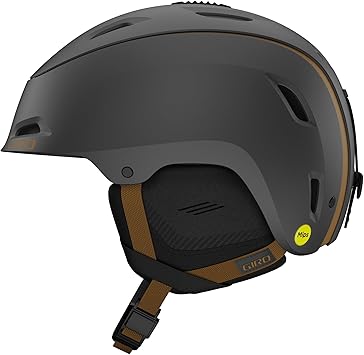
Visibility becomes critical at eBike speeds. Invest in quality front and rear lights—the NiteRider Lumina 1200 provides excellent visibility for night riding. Consider adding the Garmin Varia RTL515 radar tail light that alerts you to vehicles approaching from behind. Wear a quality helmet like the Giro Syntax MIPS or POC Omne Air MIPS with MIPS protection.
What Accessories Enhance Your Converted eBike?
Secure your investment with a high-quality lock—eBikes are attractive theft targets. The Kryptonite New York Fahgettaboudit chain lock or ABUS Granit X-Plus 540 U-lock provide maximum security. Consider adding a Tile Pro GPS Tracker hidden in your frame to help recover your bike if stolen.
A sturdy phone mount is essential for navigation and ride tracking. The Quad Lock Phone Mount offers rock-solid mounting with vibration dampening that protects your phone's camera from motor vibration damage. This is especially important since eBike motors create more sustained vibration than regular pedaling.
Cargo capacity becomes valuable on an eBike since the motor assists with heavy loads. Add the Topeak Super Tourist DX Rear Rack rated for 55 pounds, perfect for eBike batteries and cargo. Pair it with Rhinowalk Waterproof Panniers or the Topeak MTX TrunkBag DXP for expanded carrying capacity.
Comfort upgrades matter more at eBike speeds and distances. Install Ergon GP1 Comfort Grips to reduce hand fatigue on longer rides enabled by electric assist. Quality grips make a surprising difference on 20+ mile rides that would be challenging on an unassisted bike.
Can You Convert Any Bike to Electric?
Most traditional bicycles can be converted to electric, but some are better candidates than others. Mountain bikes, hybrid bikes, commuter bikes, and touring bikes with sturdy frames and reliable components convert successfully. These bikes already have the frame strength and component quality to handle motor power and additional weight.
Road bikes can be converted but present challenges. Their lightweight frames aren't designed for motor stress, narrow tires struggle with eBike weight, and drop handlebars complicate display and control placement. If you must convert a road bike, use smaller hub motor kits (350-500W maximum) and upgrade to wider tires (28mm minimum) for safety.
Avoid converting bikes with significant frame damage, rust, or wear. The motor's additional stress will accelerate failure in compromised frames. Also avoid converting bikes with unusual geometry—recumbent bikes, penny-farthings, or BMX bikes require specialized kits rarely available to consumers.
Cheap department store bikes are poor conversion candidates despite low initial cost. Their frames, wheels, and components aren't designed for the forces involved in eBiking. Invest in quality conversion kits only if your base bike is mechanically sound with decent components worth preserving.
What Are Common Problems with DIY eBike Conversions?
Electrical connection issues are the most common problem, especially after riding in wet conditions. Connectors may corrode, work loose, or allow moisture ingress despite weatherproofing. Apply dielectric grease to all connections during installation and inspect monthly for corrosion. Many issues resolve simply by disconnecting and reconnecting components.
Motor or controller overheating occurs when systems are pushed beyond their design limits—climbing long, steep hills with heavy loads on hot days. If your display shows temperature errors or your motor cuts out intermittently, you're exceeding thermal limits. Reduce assist level, pedal more actively, or upgrade to higher-rated components for your intended use.
Battery management problems lead to reduced range or premature battery failure. Many riders drain batteries too deeply (below 20%) or store them fully charged for months, degrading capacity. Follow proper charging protocols, and if range degrades significantly within the first year, contact your kit manufacturer about warranty replacement.
Mechanical problems increase with eBike conversion—broken spokes, wheel truing issues, brake pad wear, and chain breakage happen more frequently than on regular bikes. Stay proactive with maintenance, replace worn components promptly, and consider upgrading critical components like chains and brake pads to heavy-duty versions designed for eBike use.
How Do Weather and Terrain Affect Converted eBikes?
Rain and wet conditions don't prevent eBike riding, but they require precautions. Most conversion kit electrical components are water-resistant (not waterproof), handling light rain and splashing without issue. Avoid riding through deep puddles that could submerge connections, and never pressure-wash your eBike's electrical components. Apply dielectric grease to connections for additional water protection.
Cold weather reduces battery capacity by 20-30% due to chemical reactions slowing in lithium-ion cells. A battery providing 40 miles at 70°F might only deliver 28-32 miles at 30°F. Store batteries indoors at room temperature and install them just before riding to maintain warmth. Some riders use insulated battery covers for winter riding.
Hilly terrain dramatically affects range and performance. Hub motors lose efficiency climbing steep grades, potentially overheating on long climbs. Mid-drive systems handle hills much better by leveraging your bike's gears. If you ride in mountainous terrain, seriously consider mid-drive conversion over hub motors, or choose the most powerful hub motor your budget allows.
Extreme heat (above 95°F) can also affect performance, causing controllers and batteries to thermally limit power output. Riding in direct sunlight on hot pavement, motors and controllers may reach thermal shutdown temperatures during extended climbs. Allow cooling breaks, or schedule rides during cooler morning and evening hours in extreme heat.
FAQ: DIY eBike Conversion Questions
How long does a DIY eBike conversion take?
Hub motor conversions take 2-4 hours for beginners with basic mechanical skills and standard tools. Mid-drive conversions require 4-6 hours due to bottom bracket removal and more complex motor installation. Experienced bike mechanics complete conversions in 1-2 hours. Allow extra time for cable management, testing, and troubleshooting on your first conversion.
Is converting a bike to electric worth it?
Converting is worth it if you have a quality bike you want to keep and save 40-60% compared to buying a comparable pre-built eBike. It's especially valuable for unique or custom bikes where you've already dialed in perfect fit and components. However, if your bike needs significant repairs or you value warranty and professional support, buying new might be better.
Can you remove an eBike conversion kit later?
Yes, conversion kits can be completely removed, returning your bike to original condition. Hub motor kits simply swap back to your original wheel. Mid-drive kits require reinstalling your original bottom bracket and cranks. Save all original components during conversion for future removal. The process takes 1-2 hours and requires no permanent frame modifications.
What is the most reliable eBike conversion kit?
Bafang mid-drive kits (BBS02 and BBSHD) are considered most reliable for performance-oriented conversions, with proven track records and extensive user communities for support. For hub motors, AW and Voilamart offer reliable budget options, while the more expensive Grin Technologies and Cycle Analyst systems provide premium reliability with advanced features and monitoring.
Do I need a license for a converted eBike?
No license is required in the United States for eBikes limited to 750W and 20 mph motor-only speed with operable pedals. These are classified as bicycles, not motor vehicles. However, some localities have specific regulations, and higher-powered conversions exceeding these limits may require moped registration and licensing. Always check local laws before riding.
Conclusion: Is DIY eBike Conversion Right for You?
Converting your bicycle to electric is an rewarding project that saves money while giving you custom control over your eBike's performance and features. With quality conversion kits starting around $400-600, you can transform your existing bike into a capable electric commuter or recreational eBike for 40-60% less than buying comparable pre-built models from Ride1Up or Velotric.
Hub motor conversions offer the simplest installation path for beginners, requiring only basic tools and 2-4 hours of time. Mid-drive conversions provide superior performance for hilly terrain and serious riding but demand more mechanical skill and investment. Both approaches can deliver 20-50 miles of range and 20-28 mph speeds depending on your chosen components.
Success depends on starting with a mechanically sound bike, choosing appropriate components for your intended use, and following installation instructions carefully. Don't skimp on safety—upgrade brakes if necessary, install proper torque arms, and always wear a quality helmet like the Giro Syntax MIPS or POC Omne Air MIPS.
Ready to start your conversion? Research kit options thoroughly, assess your existing bike's condition honestly, and gather the necessary tools before beginning. With proper planning and execution, you'll be riding your custom eBike in a single weekend—joining thousands of satisfied riders who've discovered the joy and value of DIY eBike conversion.
Take the Next Step: Browse conversion kit options from reputable manufacturers, join online eBike conversion communities for advice, and consider essential accessories like the Quad Lock Phone Mount and Kryptonite locks to protect and enhance your converted eBike.
Affiliate Disclosure
Discussion
Sign in with GitHub to leave a comment. Your replies are stored on this site's public discussion board.