E-Bike Battery FAQ: Everything You Need to Know About Electric Bike Batteries
FTC Disclosure: This article contains affiliate links. If you purchase through our links, we earn a small commission at no extra cost to you. This helps us provide free, expert content. Electric bike batteries are the h
FTC Disclosure: This article contains affiliate links. If you purchase through our links, we earn a small commission at no extra cost to you. This helps us provide free, expert content.
Electric bike batteries are the heart of your eBike, yet they're often the most misunderstood component. Whether you're shopping for your first electric bike from brands like Velotric or Ride1Up, or you're a seasoned rider concerned about battery degradation, understanding how these power sources work is essential.
Free: Ultimate eBike Buying Guide
Avoid the 4 most expensive eBike mistakes
This comprehensive ebike battery guide answers the most common questions riders have about battery lifespan, charging practices, range optimization, and replacement costs. We've compiled expert insights and real-world testing data to help you maximize your battery's performance and longevity.
By the end of this ebike battery FAQ, you'll know exactly how to care for your battery, when to replace it, and how to avoid the costly mistakes that shorten battery life.
Free Download
Ultimate eBike Buying Guide
Avoid the 4 most expensive eBike mistakes
Instant download. No spam. Unsubscribe anytime.
Key Takeaways
- Most eBike batteries last 500-1,000 charge cycles, translating to 3-5 years of typical use
- Proper charging habits can extend battery life by 30-40% compared to poor practices
- Battery replacement costs range from $400-$800 depending on capacity and brand
- Storing batteries at 40-60% charge in cool, dry conditions prevents degradation
- Range varies from 20-80 miles per charge based on battery capacity, assist level, and terrain
- Lithium-ion batteries (used in 99% of eBikes) don't develop "memory effect" and can be charged anytime
How Long Do E-Bike Batteries Last?
Most eBike batteries last between 500 and 1,000 full charge cycles, which translates to 3-5 years of regular use for most riders. A charge cycle is completed when you use 100% of your battery's capacity, whether that's all at once or accumulated over multiple partial charges. High-quality lithium-ion batteries from reputable brands typically reach the upper end of this range.
The actual lifespan depends on several critical factors. Temperature extremes are the primary battery killer—storing your eBike in a hot garage or riding in freezing weather accelerates degradation. Charging habits matter too: keeping your battery between 20-80% charge for daily use significantly extends its life compared to always charging to 100%.
Your riding style also impacts longevity. Frequent use of maximum pedal assist levels, heavy cargo loads, and aggressive acceleration drain batteries faster and generate more heat. Budget eBikes from brands like Engwe and Heybike often use entry-level cells that may hit the lower end of the lifespan spectrum.
After reaching their cycle limit, batteries don't suddenly die. They gradually lose capacity, typically retaining 60-80% of their original range. At this point, most riders choose to replace them rather than accept the reduced performance.
How Much Does It Cost to Replace an E-Bike Battery?
E-Bike battery replacement costs typically range from $400 to $800, depending on the battery's capacity (measured in watt-hours) and brand. A standard 500Wh battery costs $400-$600, while larger 750Wh batteries run $600-$800. Premium brands charge more, but you're paying for better cells and longer warranties.
Several factors drive these price differences:
Battery Capacity: Higher watt-hour ratings mean more cells and higher costs. A 1,000Wh battery can exceed $900.
Brand and Quality: OEM batteries from your eBike manufacturer cost more than third-party alternatives but ensure compatibility. Brands like Velotric and Ride1Up sell replacement batteries direct, often at better prices than bike shops.
Cell Quality: Samsung and LG cells cost more than generic Chinese cells but last significantly longer. The cheapest batteries use lower-grade cells prone to faster degradation.
Smart Features: Batteries with Bluetooth connectivity, USB charging ports, and advanced battery management systems (BMS) command premium prices.
Warranty: Batteries with 2-3 year warranties cost more upfront but provide peace of mind.
Before buying a replacement, verify compatibility with your eBike's controller and mounting system. Using an incompatible battery can damage your electrical system or create safety hazards. Check your manufacturer's website or contact support to ensure you're ordering the correct model.
How Far Can You Ride on a Single Charge?
Most eBikes provide 20-80 miles of range per charge, with the average falling around 40-50 miles for a 500Wh battery using moderate pedal assist. Your actual range depends on battery capacity, motor efficiency, pedal assist level, rider weight, terrain, and weather conditions. This wide range explains why ebike battery questions often focus on real-world expectations versus manufacturer claims.
Here's how key factors affect your range:
Battery Capacity: A 500Wh battery on flat terrain with low assist typically delivers 40-60 miles. Upgrading to 750Wh extends this to 60-80+ miles under the same conditions.
Pedal Assist Level: Using maximum assist (level 5 on most systems) cuts range by 40-50% compared to eco mode. Throttle-only riding drains batteries fastest.
Rider Weight and Cargo: Every additional 50 lbs reduces range by approximately 10-15%. Cargo eBikes like those from Yuba need larger batteries to compensate for heavy loads.
Terrain: Hilly routes consume 30-50% more power than flat commutes. A rider getting 50 miles on flat ground might only achieve 25-30 miles in mountainous terrain.
Tire Pressure and Resistance: Under-inflated tires increase rolling resistance and reduce range by 5-10%. Keep tires at recommended pressure.
Weather: Cold temperatures (below 40°F) reduce lithium-ion battery performance by 20-30%. Headwinds also significantly impact range.
Most eBike displays show estimated range based on current conditions, but treat these as rough guides rather than guarantees. Conservative riders should plan routes at 60-70% of the manufacturer's claimed range.
Should You Charge Your E-Bike Battery After Every Ride?
You don't need to charge your eBike battery after every ride, and avoiding constant full charges actually extends battery life. Lithium-ion batteries (used in virtually all eBikes) don't develop "memory effect," so partial charging doesn't harm them. The optimal strategy is keeping your battery between 20-80% charge for daily use and only fully charging before long rides.
Here's the science behind this recommendation: Lithium-ion batteries experience more stress at the extreme ends of their charge range. Constantly charging to 100% and draining to 0% accelerates chemical degradation inside the cells. Limiting charging to 80% can extend battery lifespan.
Best charging practices for daily riders:
- Charge after rides that drain your battery below 40%
- Unplug once you reach 80% for daily use (some chargers have a limiter switch)
- Only charge to 100% before long rides requiring maximum range
- Avoid leaving the battery plugged in for days after reaching full charge
For occasional riders:
- Store the battery at 40-60% charge if not riding for weeks
- Check monthly and top up to 50% if needed during long storage
- Fully charge before your next ride, not days in advance
If you commute daily and need consistent range, charging to 90-95% is a reasonable compromise between longevity and practicality. Modern eBike chargers and battery management systems help prevent overcharging damage, but they can't eliminate the chemical stress of constant full charges.
Investing in a smart charger timer or limiter device (typically $20-40) makes it easy to stop charging at 80%. Some newer eBikes include this feature in their app-connected systems.
What Happens If Your E-Bike Battery Dies While Riding?
If your eBike battery completely dies mid-ride, your bike functions as a regular pedal bicycle—slightly heavier and less efficient, but still rideable. Most eBikes weigh 45-75 lbs compared to 25-35 lbs for traditional bikes, making pedaling more challenging but manageable for short distances. The motor and electronics simply disengage when power runs out.
The experience varies based on your eBike type:
Hub Motor eBikes: Rear and front hub motors create slight drag when unpowered, adding noticeable resistance. You'll feel like you're pedaling through mud, especially uphill. Budget models from Heybike and Engwe with heavier hub motors feel particularly sluggish.
Mid-Drive Motor eBikes: These systems (found on Ride1Up and premium models) create less drag since the motor sits at the crank. They're easier to pedal home but still noticeably heavier than regular bikes.
Folding eBikes: Compact folders with smaller wheels require more effort when unpowered. The combination of weight and smaller wheel diameter makes them the least practical to pedal long distances without power.
To avoid being stranded:
Use Range Monitoring: Most eBike displays show remaining range and battery percentage. Plan your route to return home before hitting 10-15% capacity.
Lower Assist Levels: If running low, drop to eco mode or turn off assist and use the eBike as a regular bike. This conserves power for challenging hills or headwinds.
Know Your Route: Identify potential shortcuts or public transit options if you misjudge range.
Carry Basic Tools: A Topeak Mini 20 Pro Multi-Tool helps with roadside adjustments and flat repairs, which become more difficult without power assistance.
Modern eBikes provide multiple battery warnings before complete depletion, giving you 10-20 minutes to adjust plans. Still, conservative range planning prevents the heavy pedaling experience entirely.
How Do You Properly Store an E-Bike Battery?
Proper eBike battery storage requires keeping it at 40-60% charge in a cool, dry location between 32-70°F, with 50-68°F being optimal. This charge level and temperature range minimizes chemical degradation during storage, whether you're storing for weeks or months. Never store lithium-ion batteries fully charged or completely drained, as both states accelerate capacity loss.
Follow these storage guidelines for maximum battery preservation:
Charge Level:
- Charge or discharge to 50% before long-term storage
- Check monthly and recharge to 50-60% if it drops below 40%
- Avoid storing at 100% charge—this creates constant cell stress
Temperature:
- Store indoors in climate-controlled spaces (basements, closets)
- Never leave in hot garages or cars where temps exceed 85°F
- Avoid freezing temperatures below 20°F
- Each 15°F above 77°F cuts battery life by approximately 20%
Location:
- Remove battery from the eBike for long-term storage
- Keep away from direct sunlight and heat sources
- Store in fireproof container or battery bag for extra safety
- Avoid damp environments that could cause corrosion
Maintenance Schedule:
- Check voltage/charge level every 4-6 weeks
- Wipe terminals clean of dust and debris
- Store in original packaging or padded container to prevent physical damage
Seasonal Storage (Winter):
- Remove battery before storing eBike in cold garage
- Keep battery indoors at room temperature
- Charge to 60% before spring riding season
- Expect slightly reduced initial performance after months of storage
For frequent riders, weekly use prevents most storage concerns. The battery management system handles voltage balancing and cell maintenance automatically during regular charging cycles. Storage becomes critical for riders who take winter breaks or store backup batteries.
Never store damaged batteries with swelling, leaking, or overheating issues. These require immediate professional disposal at designated recycling centers—most bike shops and electronic retailers accept old eBike batteries.
Can You Upgrade to a Bigger Battery for More Range?
You can often upgrade to a higher-capacity battery for extended range, but compatibility depends on your eBike's controller, mounting system, and voltage specifications. Most eBikes accept batteries with the same voltage (36V, 48V, or 52V) but higher watt-hour capacity. Upgrading from a 500Wh to 750Wh battery can increase range by 40-50% while maintaining the same performance characteristics.
Before purchasing a larger battery, verify these critical compatibility factors:
Voltage Matching: Your new battery must match the original voltage exactly. Installing a 48V battery on a 36V system can damage the controller and motor. Check your original battery's label or manual.
Physical Mounting: The battery must fit your eBike's mounting points and frame geometry. Some manufacturers offer extended-capacity options that maintain the same mounting design. Brands like Velotric sell official upgrades guaranteed to fit.
Connector Compatibility: Battery discharge connectors vary by manufacturer. Aftermarket batteries may require adapter cables or connector swaps (manageable for experienced DIYers but risky for novices).
Controller Amperage Limits: Your eBike's controller has maximum amperage ratings. While higher watt-hour batteries at the same voltage typically work fine, consult your manufacturer to avoid overloading the controller.
BMS Compatibility: Battery Management Systems regulate charging and discharge. Mismatched BMS settings can prevent charging or trigger error codes.
Warranty Implications: Installing third-party batteries usually voids manufacturer warranties. Weigh the range benefits against potential warranty loss.
Budget brands like Engwe and Heybike sometimes use proprietary battery designs that limit upgrade options. Premium brands offer more flexibility and official upgrade paths.
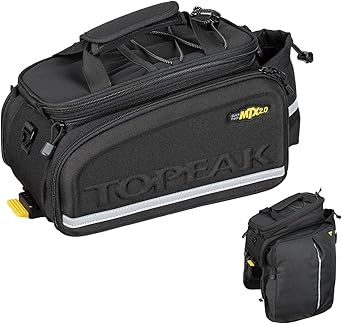
For riders needing extreme range, carrying a second battery is often more practical than finding a massive single battery. Modern batteries weigh 6-8 lbs, making them reasonably portable in a backpack or Topeak MTX TrunkBag DXP.
What's the Difference Between Battery Watt-Hours and Voltage?
Watt-hours (Wh) measure total battery capacity and determine range, while voltage (V) indicates the power delivery system and motor performance characteristics. A 500Wh battery stores more energy than a 400Wh battery regardless of voltage. Voltage (typically 36V, 48V, or 52V in eBikes) determines how efficiently the motor delivers that power—higher voltage systems generally provide better hill-climbing and acceleration.
Think of it like a car's gas tank and engine:
Watt-Hours = Fuel Tank Size: A 750Wh battery is like a bigger gas tank—more range before refueling. Higher watt-hour ratings mean longer rides between charges. Calculate watt-hours by multiplying voltage × amp-hours (Ah). A 48V 15Ah battery = 720Wh.
Voltage = Engine Size: Higher voltage systems (48V vs 36V) deliver power more efficiently to the motor, similar to a V8 versus a 4-cylinder engine. They handle hills better and provide stronger acceleration without overheating.
Here's how these specs affect real-world performance:
36V Systems: Common on entry-level and city eBikes. Adequate for flat terrain and casual riding. Maximum speeds typically cap at 20 mph. Budget-friendly options from Heybike often use 36V systems.
48V Systems: The sweet spot for most riders. Better hill-climbing and sustained speed. Most quality eBikes from Ride1Up and Velotric use 48V architecture.
52V Systems: Premium performance for demanding riders and cargo applications. More powerful acceleration and better performance under heavy loads. Common on Yuba cargo bikes.
Important: You cannot simply swap a 48V battery onto a 36V system to gain performance. The controller, motor, and other electrical components are designed for specific voltages. Mismatching causes immediate damage.
When comparing eBikes, prioritize watt-hours for range concerns and voltage for performance requirements. A 500Wh 48V battery provides less range than a 750Wh 48V battery but both deliver similar power characteristics.
How Does Cold Weather Affect E-Bike Batteries?
Cold weather reduces eBike battery performance by 20-30% in temperatures below 40°F, with more severe degradation below 20°F. Lithium-ion batteries rely on chemical reactions that slow dramatically in cold conditions, resulting in reduced range, slower charging, and temporary capacity loss. The battery recovers normal performance once warmed back to room temperature, but extreme cold can cause permanent damage.
Understanding these cold-weather effects helps winter riders adapt:
Range Reduction: Expect 20-30% less range in 30-40°F weather and up to 50% reduction below 15°F. A battery providing 40 miles in summer might only deliver 25-30 miles in winter.
Voltage Sag: Cold batteries experience voltage drops under load, causing the motor to draw more current and drain the battery faster. This creates a vicious cycle of reduced performance.
Charging Issues: Never charge a frozen battery. Charging below 32°F can cause lithium plating—a permanent degradation process. Always bring the battery indoors to warm for 1-2 hours before charging.
Regenerative Braking: eBikes with regen braking may automatically disable this feature in cold weather to protect the battery from charging damage.
Winter riding strategies:
Store Indoors: Remove the battery and keep it at room temperature overnight. Install it right before riding to start with maximum capacity.
Insulate the Battery: Neoprene battery covers or bubble wrap insulation help retain heat during rides. Some riders report 10-15% range improvements with insulation.
Use Lower Assist Levels: Starting with eco mode allows the battery to warm up gradually. Switch to higher assist after 5-10 minutes of riding.
Plan Shorter Routes: Conservative range planning prevents being stranded. Assume 60-70% of normal range for winter rides.
Pre-Ride Warm-Up: If possible, store your eBike in a heated garage or bring the battery inside earlier to warm naturally.
Essential winter accessories like the NiteRider Lumina 1200 Boost Front Light and Garmin Varia RTL515 Radar Tail Light compensate for reduced daylight and visibility during cold-weather commutes.
Modern batteries include thermal management systems that help, but physics still limits cold-weather performance. Riders in extreme climates should consider higher-capacity batteries to offset winter range loss.
Is It Safe to Leave Your E-Bike Battery Charging Overnight?
Leaving your eBike battery charging overnight is generally safe due to modern Battery Management Systems (BMS) that prevent overcharging, but it's not the optimal practice for battery longevity. Most quality eBike chargers and batteries automatically stop charging at 100% and switch to a trickle maintenance mode. However, keeping batteries at 100% charge for extended periods—even without active charging—accelerates capacity degradation over time.
Here's what happens when you leave batteries plugged in:
Modern Safety Features: Quality chargers and BMS systems prevent overcharging by stopping current flow at full capacity. The risk of fire or explosion is extremely low with certified equipment. Budget batteries from unknown manufacturers carry higher risks due to inferior BMS quality.
Heat Generation: Even after reaching full charge, chargers and batteries generate minor heat. Heat is lithium-ion batteries' worst enemy, accelerating chemical degradation. This effect is minimal with good chargers but accumulates over months of overnight charging.
Voltage Stress: Batteries maintained at 100% charge experience higher cell voltage stress compared to 80% storage. While the BMS prevents overcharging damage, it cannot eliminate the chemical stress of remaining at peak voltage.
Best practices for overnight charging:
Use Timer Outlets: Plug your charger into a basic timer outlet (available for $10-15) set to shut off after 4-6 hours. Most eBike batteries fully charge in 3-5 hours depending on capacity.
Charge Limiters: Some smart chargers include 80% charge settings—perfect for daily use. This maximizes longevity while ensuring adequate range.
Unplug When Full: If you're home when charging completes, unplug immediately. Modern displays and chargers indicate full charge with LED lights.
Morning Charging: Charge batteries in the morning before rides rather than overnight. This ensures you're present if issues arise and prevents extended time at 100%.
Quality Chargers: Only use manufacturer-supplied chargers or certified replacements. Third-party chargers may lack proper voltage regulation and safety cutoffs.
For riders needing overnight charging due to work schedules, the convenience typically outweighs the minor longevity cost. The real battery killers are heat, deep discharges, and extreme temperatures—overnight charging ranks much lower on the risk scale.
Proper charging equipment matters. If you're riding brands like Velotric or Ride1Up, stick with their official chargers designed specifically for their battery chemistry and BMS specifications.
Comparison: E-Bike Battery Specifications by Type
| Battery Capacity | Typical Range | Best For | Average Cost | Charge Time |
|---|---|---|---|---|
| 400-500Wh | 20-40 miles | City commuting, flat terrain | $400-$550 | 3-4 hours |
| 500-625Wh | 30-50 miles | Mixed terrain, daily commuters | $500-$650 | 4-5 hours |
| 625-750Wh | 40-65 miles | Long commutes, hilly areas | $600-$750 | 5-6 hours |
| 750-1000Wh | 50-80+ miles | Cargo bikes, touring, mountains | $700-$900 | 6-8 hours |
Check current prices: Velotric · Ride1Up · Engwe · Heybike · Yuba · Topeak Mini 20 Pro Multi-Tool · Topeak MTX TrunkBag DXP · NiteRider Lumina 1200 Boost Front Light
Frequently Asked Questions
Can you replace eBike battery cells instead of the whole battery?
Yes, skilled technicians can replace individual cell groups inside battery packs, typically costing 40-60% less than full replacement. However, this requires specialized knowledge and equipment. Most riders should only attempt this through professional eBike shops or battery rebuilding services. DIY cell replacement risks fire and voids warranties.
How do you know when your eBike battery needs replacement?
Replace your eBike battery when it holds less than 60-70% of its original capacity or shows signs of physical damage (swelling, casing cracks, overheating). If your 40-mile range battery now only provides 25 miles, it's nearing end-of-life. Most riders replace batteries after 3-5 years or 500-1,000 charge cycles.
Do eBike batteries have warranties?
Most eBike batteries include 1-2 year warranties covering manufacturing defects and premature capacity loss. Premium brands like Velotric and Ride1Up offer 2-year warranties, while budget options typically provide 1 year. Warranties rarely cover normal degradation—they protect against early failure or defects.
Can you use your eBike while it's charging?
No, you cannot ride your eBike while the battery is charging. The Battery Management System prevents simultaneous charging and discharging to protect the cells. You must unplug the charger before riding. Some eBikes lock the battery during charging as an additional safety measure.
What's the best battery percentage to maintain for storage?
Store eBike batteries at 40-60% charge for optimal longevity, with 50% being the ideal target. This charge level minimizes chemical stress and capacity loss during storage. Check monthly and top up to 50-60% if the charge drops below 40%. Never store batteries fully charged or completely drained for extended periods.
Conclusion: Maximize Your E-Bike Battery Investment
Understanding eBike batteries transforms them from mysterious power sources to manageable components you can optimize. The key principles are simple: avoid temperature extremes, don't constantly charge to 100%, store at 40-60% capacity, and replace batteries proactively when range drops significantly.
Whether you're riding an affordable model from Engwe or a premium option from Ride1Up, these battery care practices extend lifespan by years and save hundreds in replacement costs. Proper battery management paired with essential accessories like a Quad Lock Phone Mount for route monitoring and Kryptonite Locks for security creates a complete eBike ownership experience.
Ready to optimize your ride? Browse our E-Bike Guides for more expert advice, check out the latest eBike Deals, or explore our comprehensive eBike Reviews to find your perfect electric bike match.
Affiliate Disclosure
Discussion
Sign in with GitHub to leave a comment. Your replies are stored on this site's public discussion board.