E-Bike Insurance FAQ: Complete Guide to Coverage, Costs & Requirements
FTC Disclosure: This article contains affiliate links. If you purchase through our links, we may earn a commission at no extra cost to you. We only recommend products we've researched and believe will benefit our readers
FTC Disclosure: This article contains affiliate links. If you purchase through our links, we may earn a commission at no extra cost to you. We only recommend products we've researched and believe will benefit our readers.
Electric bikes represent a significant investment, often costing $1,500-$5,000 or more. Yet most riders don't have dedicated ebike insurance, leaving themselves vulnerable to theft, damage, and liability claims. Unlike traditional bicycles, electric bikes face unique risks due to their higher value, electrical components, and faster speeds.
Free: Ultimate eBike Buying Guide
Avoid the 4 most expensive eBike mistakes
Understanding ebike insurance options can save you thousands of dollars and provide peace of mind. Whether you're commuting daily on a Velotric or hauling cargo with a Yuba, knowing your coverage options is essential. This comprehensive FAQ answers the most common questions about ebike insurance, from whether you legally need it to what policies actually cover.
Let's explore everything you need to know about protecting your electric bike investment.
Free Download
Ultimate eBike Buying Guide
Avoid the 4 most expensive eBike mistakes
Instant download. No spam. Unsubscribe anytime.
Key Takeaways
- Most standard homeowners or renters insurance policies cover ebikes for theft and damage, but often with limitations on coverage amounts ($1,000-$2,500 typical limits)
- Dedicated ebike insurance costs $100-$300 annually and provides comprehensive coverage including theft, damage, liability, and roadside assistance
- You're not legally required to have ebike insurance in most US states, but it's highly recommended for bikes over $2,000 or Class 3 models
- Ebike theft insurance typically requires documented proof of ownership, serial numbers, and often proper locking methods to honor claims
- Liability coverage is critical since ebikes can reach 28 mph and cause significant injury or property damage in accidents
Do I Need E-Bike Insurance?
You're not legally required to have ebike insurance in most US states, but it's strongly recommended if your bike costs over $2,000 or you ride frequently in urban areas. While traditional bicycles rarely justify dedicated insurance, electric bikes' higher value and speed create risks that make coverage worthwhile. The decision depends on your bike's value, how you use it, and your existing insurance coverage.
When Insurance Makes Sense
If you own a premium commuter like the Ride1Up 700 Series or a cargo bike from Yuba, dedicated insurance becomes more valuable. Bikes exceeding $3,000 often surpass homeowners insurance sublimits for bicycles, leaving you underinsured.
Daily commuters face higher theft and accident risks than recreational riders. Urban areas with high bike theft rates make insurance even more critical. Class 3 ebikes that reach 28 mph also increase liability exposure.
When You Might Skip Coverage
Budget models under $1,000 from brands like Engwe or Heybike may not justify dedicated insurance premiums. If your existing homeowners or renters policy covers the bike's full value and you ride infrequently, separate coverage might be unnecessary.
Store your bike securely indoors and you'll reduce theft risk significantly. Some riders self-insure by setting aside money equivalent to annual premiums.
What Does E-Bike Insurance Cover?
Dedicated ebike insurance typically covers theft, physical damage, liability, medical payments, and roadside assistance. Comprehensive policies protect against stolen bikes, vandalism, collision damage, weather-related damage, and third-party injury claims. Coverage limits usually range from $2,000 to $10,000 depending on your bike's value and policy tier.
Theft and Damage Protection
Theft coverage reimburses you for stolen ebikes, usually requiring a police report and proof of ownership. Physical damage protection covers collisions, falls, vandalism, and weather damage to your bike and electrical components.
Most policies include coverage for accessories up to a certain limit, typically $500-$1,000. This protects items like your Quad Lock phone mount, lights, and bags.
Liability Coverage
Liability protection covers injuries or property damage you cause while riding. If you collide with a pedestrian or damage a parked car, liability insurance pays their medical bills and repair costs.
Coverage limits typically range from $25,000 to $100,000. Given that ebikes can reach high speeds, this protection is crucial for serious riders.
Additional Benefits
Many policies include roadside assistance for breakdowns, flat tires, or battery failures. Medical payments coverage handles your own injuries regardless of fault, typically up to $5,000.
Some premium policies offer rental reimbursement while your bike is being repaired and trip interruption coverage for multi-day cycling trips.
How Much Does E-Bike Insurance Cost?
E-bike insurance typically costs $100-$300 annually for comprehensive coverage on a $2,000-$4,000 bike. Premium costs depend on your bike's value, your location, coverage limits, deductible amount, and claims history. Urban areas with higher theft rates see premiums 20-40% higher than suburban or rural locations.
Cost Factors
Your bike's purchase price is the primary cost driver. A $1,500 budget ebike from Heybike might cost $100 annually to insure, while a $5,000 premium model could cost $400+.
Location significantly impacts premiums. Cities like San Francisco, New York, and Portland with high bike theft rates charge more. Your deductible choice also affects cost—higher deductibles reduce premiums but increase out-of-pocket expenses.
Comparing Policy Types
Standalone ebike insurance from specialized providers typically costs more than adding coverage to existing homeowners or renters policies. However, standalone policies offer more comprehensive protection specifically designed for ebikes.
Adding a scheduled personal property rider to homeowners insurance costs $50-$150 annually but may have coverage gaps for liability and specific ebike risks.
Does Homeowners Insurance Cover E-Bikes?
Most homeowners and renters insurance policies cover ebikes for theft and damage, but typically with sublimits of $1,000-$2,500 for all bicycles combined. Standard policies provide limited protection that may be insufficient for premium ebikes. Coverage usually only applies to theft from your home or vehicle, not while riding or parked in public areas.
Standard Policy Limitations
Homeowners insurance treats ebikes like traditional bicycles under personal property coverage. If your bike costs $3,500 but your policy limits bicycle coverage to $1,500, you'll only receive the sublimit amount.
Off-premises coverage percentages also apply—typically 10% of your personal property coverage limit. Liability coverage usually extends to bicycle riding, but some insurers exclude motorized vehicles, potentially creating coverage gaps.
Scheduled Personal Property Riders
Adding a scheduled personal property endorsement specifically lists your ebike with its full replacement value. This removes sublimits and typically adds $50-$150 to annual premiums.
You'll need proof of purchase, serial numbers, and sometimes photos. This option works well for high-value bikes but doesn't include specialized coverage like roadside assistance or rental reimbursement.
What Is E-Bike Theft Insurance?
E-bike theft insurance specifically covers stolen electric bikes, reimbursing you for the bike's agreed or actual cash value after filing a police report. Theft protection requires documented proof of ownership, serial numbers, photos, and evidence you used appropriate security measures. Most policies require locks meeting certain security ratings to honor theft claims.
Theft Coverage Requirements
Insurance companies mandate high-quality locks to discourage theft and reduce claims. Policies typically require locks rated Sold Secure Silver or Gold, like the Kryptonite New York Fahgettaboudit or ABUS Granit X-Plus 540.
You must lock your bike to an immovable object and secure both the frame and wheels. Failure to follow locking requirements can void your coverage entirely.
Claims Process
Report theft to police within 24 hours and obtain a police report number. Contact your insurance provider within the timeframe specified in your policy, usually 48-72 hours.
Provide your policy number, proof of ownership, serial number, photos, purchase receipts, and the police report. The insurer investigates before approving payment, typically within 14-30 days.
Recovery Scenarios
If police recover your stolen bike, insurers typically give you the option to accept the recovery or keep the claim payment. Some policies require returning the payout if the bike is recovered within a certain timeframe, usually 30-60 days.
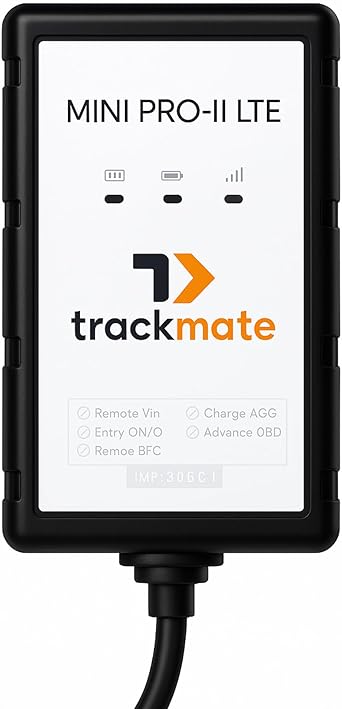
Consider adding a Tile Pro GPS tracker to increase recovery chances and potentially reduce insurance premiums.
Do I Need Liability Insurance for My E-Bike?
Liability insurance for ebikes isn't legally required in most states, but it's highly recommended for Class 3 ebikes and frequent riders. E-bikes reaching 20-28 mph can cause serious injuries or property damage in accidents, potentially resulting in lawsuits exceeding $50,000. Liability coverage protects your personal assets from claims if you're at fault in an accident.
Liability Risk Factors
Higher-speed Class 3 ebikes create greater liability exposure than Class 1 or 2 models. Commuters riding in traffic or crowded bike paths face increased accident risks compared to recreational trail riders.
The average bicycle-pedestrian accident settlement ranges from $50,000 to $200,000 when serious injuries occur. Without insurance, you're personally liable for these costs.
Coverage Sources
Many homeowners and renters policies include personal liability coverage that extends to bicycle riding. However, some insurers exclude motorized vehicles, creating potential coverage gaps for ebikes.
Standalone ebike insurance typically includes $25,000-$100,000 in liability coverage specifically designed for electric bike use. This removes ambiguity about whether your ebike qualifies as a "motor vehicle" under exclusions.
How Do I Insure an Expensive E-Bike?
Insure expensive ebikes over $3,000 through standalone specialty insurance or scheduled personal property endorsements on homeowners policies. Document your bike with photos, receipts, serial numbers, and component lists before purchasing coverage. Request agreed value coverage rather than actual cash value to avoid depreciation disputes during claims.
Documentation Requirements
Take detailed photos of your entire bike from multiple angles, close-ups of the serial number, and pictures of any upgrades or accessories. Store receipts digitally and physically for the bike and all components.
Record the make, model, serial number, purchase date, and any modifications. Maintain this documentation updated as you add accessories like Topeak racks or upgraded lights.
Appraisal Considerations
For custom builds or bikes exceeding $5,000, consider getting a professional appraisal. This establishes agreed value coverage, eliminating disputes about your bike's worth during claims.
Document any upgrades separately, as base coverage may not reflect the added value of premium components, custom paint, or specialized accessories.
Multiple Bike Coverage
If you own several ebikes, ask about multi-bike discounts. Some insurers offer 10-15% discounts when insuring multiple bikes under a single policy.
Standalone specialty insurers often provide better rates for multiple bikes than adding several endorsements to homeowners insurance.
What Isn't Covered by E-Bike Insurance?
E-bike insurance typically excludes wear and tear, manufacturer defects, racing or competitive use, riding while intoxicated, and intentional damage. Most policies won't cover accessories not specifically listed, cosmetic damage that doesn't affect function, or theft from unsecured locations. Always read policy exclusions carefully before purchasing coverage.
Common Exclusions
Normal wear on tires, chains, brake pads, and batteries isn't covered. Insurance protects against sudden accidents, not gradual deterioration from regular use.
Manufacturer defects and warranty issues fall under the manufacturer's responsibility, not insurance. Keep your bike properly maintained to avoid denied claims due to neglect.
Behavioral Exclusions
Using your ebike for commercial purposes like food delivery often voids personal insurance coverage. You'll need commercial bicycle insurance for business use.
Riding under the influence of alcohol or drugs voids coverage universally. Racing, stunts, or competitive events also fall outside standard policy boundaries.
Location-Based Exclusions
Leaving your bike unlocked or unsecured typically voids theft coverage. Some policies exclude theft from certain locations like public bike racks, even when properly locked.
International travel may not be covered. Check policy terms if you plan to ride your ebike outside the US or Canada.
Can I Add My E-Bike to My Car Insurance?
Most auto insurance policies won't cover ebikes because they're not classified as motor vehicles in most states. However, some progressive insurers now offer bicycle coverage as optional add-ons to auto policies, typically costing $50-$150 annually. Contact your auto insurer to ask about bicycle coverage options, but expect limited availability.
Why Auto Insurers Usually Say No
Insurance companies classify ebikes as bicycles, not motor vehicles, placing them outside auto policy scope. The risk profiles and claims processes differ significantly between cars and bicycles.
Auto insurers lack expertise in bicycle theft patterns, repair costs, and risk assessment. They typically refer customers to homeowners insurance or specialty providers.
Emerging Options
Some insurers like Progressive and State Farm now offer bicycle coverage add-ons to auto policies. These options provide basic theft and damage coverage but may lack specialized features like roadside assistance for ebikes.
Coverage limits and terms vary widely, so compare carefully against standalone ebike insurance to ensure adequate protection.
How Do I File an E-Bike Insurance Claim?
File ebike insurance claims by immediately contacting your insurer, documenting the damage or theft with photos, obtaining police reports for theft, and providing all required documentation within policy timeframes. Most claims process within 14-30 days if you submit complete documentation promptly. Keep copies of all correspondence and follow up regularly on claim status.
Immediate Steps
For theft, file a police report within 24 hours and obtain the report number. Take photos of where your bike was locked and any evidence of forced entry or lock damage.
For accidents or damage, photograph the bike from multiple angles, capturing all damaged areas. Document the scene if other parties are involved.
Documentation Checklist
Gather your insurance policy number, proof of purchase, serial number, original receipts, photos of the damage or theft location, police report (for theft), and any witness contact information.
Submit claims forms completely and accurately. Incomplete submissions delay processing significantly. Include repair estimates from bike shops if requesting damage coverage.
Claims Timeline
Most insurers acknowledge claims within 2-3 business days. Investigation and processing typically take 14-30 days for straightforward claims. Complex cases involving liability or disputes may take 60+ days.
Follow up weekly if you don't receive updates. Document all communication with claim numbers and representative names.
Should I Get E-Bike Insurance If I Have Theft Protection Devices?
Yes, insurance remains valuable even with quality locks and GPS trackers because theft prevention devices reduce but don't eliminate risk. Combining security devices like the Kryptonite New York Fahgettaboudit with insurance provides layered protection. Many insurers offer 5-10% premium discounts for using approved locks and GPS trackers like the Tile Pro.
Layered Security Approach
Security devices deter opportunistic thieves but determined criminals with power tools can defeat any lock. Insurance provides financial protection when prevention fails.
GPS trackers increase recovery chances but don't guarantee you'll get your bike back. Insurance ensures you can replace your bike regardless of recovery outcomes.
Premium Discounts
Installing approved security devices often qualifies you for insurance discounts. High-security locks rated Sold Secure Gold or Diamond typically earn 5-10% premium reductions.
Some insurers offer additional discounts for GPS trackers, secure storage locations, or multiple security measures. Ask about all available discounts when shopping for coverage.
Optimal Protection Strategy
Invest in quality security first—a $150 lock protects your $3,000 bike better than relying solely on insurance. Combine physical security with GPS tracking for maximum recovery chances.
Add insurance as the final layer, protecting against total loss scenarios. This approach minimizes premiums while maximizing overall protection.
Comparison: E-Bike Insurance Options
| Coverage Type | Annual Cost | Theft Protection | Damage Coverage | Liability | Best For |
|---|---|---|---|---|---|
| Homeowners Rider | $50-$150 | Limited ($1,000-$2,500 sublimit) | Limited | Basic | Bikes under $2,000 |
| Standalone Policy | $100-$300 | Comprehensive (full value) | Comprehensive | $25k-$100k | Premium bikes $2,000+ |
| Specialty Ebike | $150-$400 | Comprehensive + roadside | Comprehensive | $50k-$100k | Daily commuters |
| No Insurance | $0 | None | None | None | Budget bikes under $800 |
Check current prices: Velotric · Yuba · Ride1Up 700 Series · Engwe · Heybike · Quad Lock phone mount · Kryptonite New York Fahgettaboudit · ABUS Granit X-Plus 540
Frequently Asked Questions
Does renters insurance cover ebikes?
Yes, renters insurance covers ebikes for theft and damage, but typically with the same $1,000-$2,500 bicycle sublimits as homeowners policies. Coverage applies to theft from your rental unit or vehicle but may not cover theft from public locations. Add a scheduled personal property rider for bikes exceeding sublimits.
What happens if someone steals my ebike and I don't have insurance?
You're responsible for the total replacement cost without insurance. File a police report immediately and check with credit card companies—some offer purchase protection for items bought with their cards. Monitor local classifieds and bike resale platforms where stolen bikes often appear. Unfortunately, recovery rates for stolen bikes remain under 20% nationally.
Can I insure a used ebike I bought secondhand?
Yes, most insurers cover used ebikes if you provide proof of ownership, serial numbers, and photos. Expect slightly lower coverage limits based on depreciated value rather than original purchase price. Some insurers require professional appraisals for used bikes over $2,000 to establish agreed value.
Does insurance cover ebike battery theft?
Battery coverage depends on your policy terms. Some policies cover batteries as integral components, while others treat them as accessories with lower coverage limits. Batteries stolen separately from the bike face more scrutiny since they're targeted by thieves. Always lock your battery to the bike or remove it when parking.
Are electric bike accidents covered by health insurance?
Health insurance covers injuries from ebike accidents just like any other accident, subject to your deductibles and copays. However, health insurance doesn't cover property damage or liability to others. Consider ebike insurance with liability coverage to protect against claims if you injure someone else.
Conclusion
E-bike insurance provides essential financial protection for electric bike owners, especially those with bikes exceeding $2,000 or riding frequently in urban areas. While homeowners and renters insurance offer basic coverage, dedicated ebike policies deliver comprehensive protection including theft, damage, liability, and specialized benefits like roadside assistance.
The relatively low cost of $100-$300 annually pales in comparison to replacing a stolen $3,000 ebike out of pocket. Combine quality security devices like Kryptonite locks with appropriate insurance coverage for optimal protection.
Review your existing insurance policies to understand current coverage, then fill gaps with either scheduled property riders or standalone ebike insurance. Document your bike thoroughly with photos, receipts, and serial numbers before purchasing coverage. Whether you're commuting daily on a Velotric or exploring trails on a budget Engwe, proper insurance ensures you can ride with confidence.
Ready to protect your electric bike investment? Start by reviewing your current homeowners or renters policy, then request quotes from specialty ebike insurance providers to compare coverage options and find the best protection for your needs.
Affiliate Disclosure
Discussion
Sign in with GitHub to leave a comment. Your replies are stored on this site's public discussion board.