E-Bike Laws by State: Complete Guide to Electric Bike Regulations in 2026
FTC Disclosure: This article contains affiliate links. If you purchase through our links, we may earn a commission at no extra cost to you. We only recommend products we've thoroughly researched. Navigating ebike laws c
FTC Disclosure: This article contains affiliate links. If you purchase through our links, we may earn a commission at no extra cost to you. We only recommend products we've thoroughly researched.
Navigating ebike laws can feel like solving a puzzle with pieces that change depending on which state you're in. Electric bike regulations vary dramatically across the United States, with each state setting its own rules for where you can ride, how fast you can go, and who needs a license.
Free: Ultimate eBike Buying Guide
Avoid the 4 most expensive eBike mistakes
Understanding these regulations isn't just about avoiding fines. It's about riding safely, accessing the right trails and bike paths, and knowing your rights as an eBike owner. Whether you're commuting through city streets or exploring mountain trails, knowing the laws in your state protects you and helps legitimize eBikes in the cycling community.
This comprehensive guide breaks down ebike regulations state-by-state, explains the three-class system that most states follow, and answers the most common legal questions eBike riders face.
Free Download
Ultimate eBike Buying Guide
Avoid the 4 most expensive eBike mistakes
Instant download. No spam. Unsubscribe anytime.
Key Takeaways
- 43 states have adopted the three-class eBike system, which categorizes electric bikes by speed and throttle capabilities
- Class 1 and 2 eBikes are legal in most states without licensing, while Class 3 regulations vary significantly
- Minimum age requirements range from none to 16 years old depending on state and eBike class
- Most states allow Class 1 eBikes on bike paths and trails, but Class 2 and 3 access varies
- Helmet requirements differ by state, with some mandating helmets only for riders under 18
- Federal law limits eBike motors to 750 watts and 20 mph on throttle alone
What Are the Three Classes of Electric Bikes?
The three-class eBike system categorizes electric bikes by their maximum assisted speed and whether they have throttle capability. Class 1 eBikes provide pedal assistance only up to 20 mph with no throttle. Class 2 eBikes can use throttle-only power up to 20 mph. Class 3 eBikes offer pedal assistance up to 28 mph without throttle capability.
This classification system was developed by People for Bikes and has been adopted by 43 states to create consistent regulations. Understanding your eBike's class is crucial because it determines where you can ride and what rules apply.
Class 1 eBikes:
- Pedal-assist only (no throttle)
- Maximum assisted speed: 20 mph
- Motor cuts out above 20 mph
- Generally allowed on bike paths and trails
Class 2 eBikes:
- Throttle-assisted up to 20 mph
- Can operate without pedaling
- More restricted trail access
- Popular for commuter riding
Class 3 eBikes:
- Pedal-assist only (no throttle)
- Maximum assisted speed: 28 mph
- Often requires helmet regardless of age
- Typically restricted from bike paths
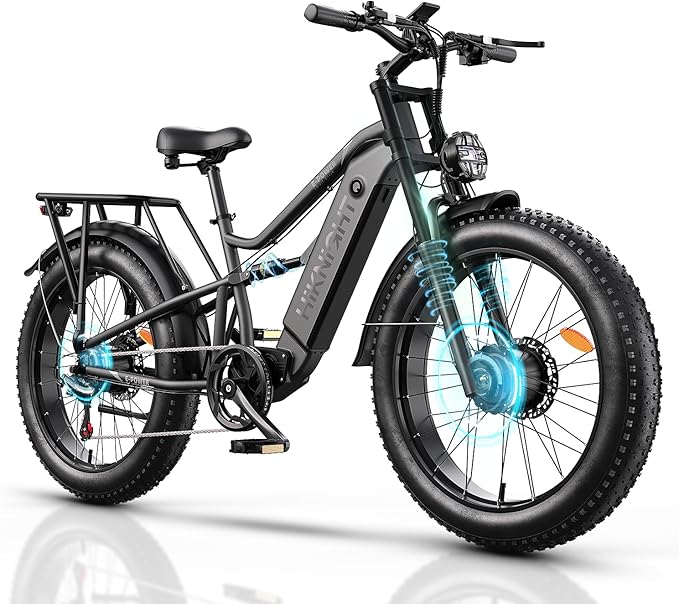
The Ride1Up brand offers excellent examples of all three classes, helping riders find the right model for their state's regulations.
Are eBikes Legal in All 50 States?
Yes, eBikes are legal in all 50 states, but the specific regulations governing their use vary significantly. Every state permits electric bicycles in some capacity, though definitions, classifications, and usage restrictions differ based on local legislation.
The confusion arises because while eBikes are universally legal, the rules about where you can ride them, who can ride them, and what equipment is required changes dramatically across state lines. Some states treat eBikes exactly like traditional bicycles, while others impose licensing, registration, or insurance requirements.
States with Three-Class Systems
These 43 states have adopted the standardized three-class framework:
Alabama, Arizona, Arkansas, California, Colorado, Connecticut, Delaware, Florida, Georgia, Idaho, Illinois, Indiana, Iowa, Kansas, Kentucky, Louisiana, Maine, Maryland, Michigan, Minnesota, Mississippi, Montana, Nebraska, Nevada, New Hampshire, New Jersey, New Mexico, New York, North Carolina, North Dakota, Ohio, Oklahoma, Oregon, Pennsylvania, Rhode Island, South Carolina, South Dakota, Tennessee, Texas, Utah, Vermont, Virginia, Washington, West Virginia, Wisconsin, Wyoming
States with Modified or Unique Laws
Seven states have their own classification systems or treat eBikes differently:
Alaska: No specific eBike law; treated as motor vehicles in some contexts Hawaii: Defines eBikes separately; restricts to Class 1 and 2 only Massachusetts: No comprehensive eBike law; regulations vary by municipality Missouri: Allows up to 750W motors but doesn't use class system North Dakota: Modified class system with different speed limits Oregon: Allows local jurisdictions to impose additional restrictions Washington DC: Unique regulations separate from any state
For riders considering budget-friendly options like Engwe, checking your specific state's classification requirements ensures compliance.
What Are the Age Requirements for Riding eBikes?
Age requirements for riding eBikes depend on both the state and the class of eBike, with minimum ages ranging from no restriction to 16 years old. Most states that adopted the three-class system allow riders of any age to operate Class 1 eBikes, while Class 3 eBikes typically require riders to be at least 16 years old.
Here's a breakdown of common age restrictions:
No Age Limit:
- Class 1 eBikes in most states
- Traditional bicycle laws apply
- Parental supervision recommended for young children
Age 14+ Required:
- Some states for Class 2 eBikes
- Varies by local municipality
Age 16+ Required:
- Class 3 eBikes in most states
- Required for throttle-capable eBikes in some jurisdictions
- May require driver's license or permit in select states
Special Considerations:
- Some states require adult supervision for riders under 16
- School zone restrictions may apply regardless of age
- Local trail systems may impose stricter age limits
Brands like Heybike offer folding models perfect for younger commuters who meet age requirements.
Do You Need a License or Registration for an eBike?
In most states, you do not need a license, registration, or insurance for Class 1 and Class 2 eBikes. These are treated like traditional bicycles under state law. However, Class 3 eBikes may require a driver's license in some states, and a handful of states have registration requirements for all eBike classes.
States Requiring NO License or Registration
The vast majority of states treat eBikes like regular bicycles, requiring no special permits or paperwork for Class 1 and 2 models. This includes California, Colorado, Washington, Oregon, and most others that adopted the three-class system.
States with Special Requirements
New York: Previously required registration but changed laws in 2020 to eliminate this requirement Alabama: Requires registration for eBikes with motors over 50cc equivalent North Dakota: May require licensing depending on motor power Missouri: eBikes over certain wattage may need motorcycle license
Insurance Considerations
While not legally required in most states, eBike insurance is worth considering for:
- High-value eBikes (over $2,000)
- Coverage against theft
- Liability protection
- Property damage coverage
Always verify current requirements in your specific state, as laws evolve rapidly. Most affordable options like Velotric models fall well within standard bicycle regulations.
Where Can You Legally Ride an eBike?
Class 1 eBikes can be ridden anywhere traditional bicycles are allowed, including most bike paths, multi-use trails, and road shoulders. Class 2 and Class 3 eBikes face more restrictions, with many trails and bike paths prohibiting them entirely or requiring special permits.
Road Riding
All eBike classes are generally permitted on:
- Public roads and streets
- Bike lanes
- Road shoulders
- Residential neighborhoods
Most states require eBikes to follow the same traffic laws as traditional bicycles, including stopping at red lights, yielding to pedestrians, and using hand signals.
Bike Paths and Multi-Use Trails
Class 1: Allowed on most bike paths and trails Class 2: Often prohibited on natural surface trails; allowed on paved paths in many states Class 3: Frequently banned from bike paths; check local regulations
Mountain Bike Trails and Wilderness Areas
This is where eBike regulations become most complex:
Federal Lands: The Bureau of Land Management and National Park Service set individual policies per location State Parks: Policies vary widely; some allow Class 1 only, others ban all eBikes Local Trails: Mountain bike trail access depends on local land managers
Before taking your mountain eBike on trails, always check with local trail organizations and land managers.
Private Property
Property owners can set their own rules. Some shopping centers, college campuses, and private communities restrict or ban eBike use entirely.
What Are Helmet Requirements for eBike Riders?
Helmet requirements for eBike riders vary by state and eBike class, with most states requiring helmets for riders under 18 and some mandating helmets for all Class 3 eBike riders. Twenty-two states have no eBike-specific helmet laws at all, treating them like traditional bicycles.
States Requiring Helmets for All eBike Riders
- California (Class 3 only)
- Connecticut (under 16)
- Delaware (under 18)
- Louisiana (under 17)
- Maine (under 16)
- Maryland (under 16)
- Massachusetts (under 16)
- New Hampshire (under 16)
- New Jersey (under 17)
- New Mexico (under 18)
- New York (under 14; all ages for Class 3)
- North Carolina (under 16)
- Oregon (under 16)
- Pennsylvania (under 12)
- Rhode Island (under 16)
- Tennessee (under 16)
- Virginia (under 15)
- Washington (all Class 3 riders)
- West Virginia (under 15)
Helmet Safety Recommendations
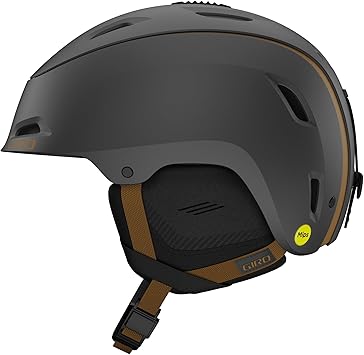
Regardless of legal requirements, safety experts universally recommend wearing a helmet. Quality options include:
- Giro Syntax MIPS Helmet for urban commuting with advanced MIPS protection
- POC Omne Air MIPS Helmet offering premium 360° protection
Helmets substantially reduce head and brain injury risk in bicycle crashes.
What Are the Power and Speed Limits for eBikes?
Federal law limits eBikes to motors of 750 watts (1 horsepower) or less and speeds of 20 mph on throttle alone to be classified as bicycles rather than motor vehicles. Most states have adopted these federal limits, though some impose stricter restrictions on public trails and paths.
Federal eBike Regulations
The Consumer Product Safety Commission (CPSC) defines low-speed electric bicycles as:
- Motors rated at 750 watts or less
- Maximum speed of 20 mph on motor power alone
- Fully operable pedals
eBikes meeting these criteria are considered bicycles, not motor vehicles, under federal law.
State-Level Variations
750W Standard States: Most states follow the federal 750W limit Higher Wattage Allowed: Some states permit motors up to 1000W Lower Wattage Required: A few municipalities restrict to 500W or less
Speed Limits by Class
Class 1 & 2: 20 mph maximum assisted speed Class 3: 28 mph maximum assisted speed Throttle-Only: 20 mph maximum in all classes that permit throttle
Speed limits may be further restricted on specific paths, in school zones, or in congested areas. Always respect posted speed limits.
Can Local Governments Override State eBike Laws?
Yes, local governments can impose additional restrictions on eBike use beyond state law, but they generally cannot make eBikes more permissible than state regulations allow. Cities, counties, and trail managers frequently add rules about where eBikes can ride, speed limits, and required equipment.
Common Local Restrictions
Trail Access: Local parks departments can ban eBikes from specific trails Speed Limits: Municipalities can impose lower speed limits than state law Time Restrictions: Some areas restrict eBike use to certain hours Permit Requirements: Local governments may require permits for trail access
Examples of Local Variations
New York City: Allows all three eBike classes but requires Class 3 riders to use bike lanes San Francisco: Restricts eBikes in Golden Gate Park to designated paths Boulder, Colorado: Has unique class-specific trail access rules Portland, Oregon: Permits local trail managers to restrict eBike access
Before riding in a new area, check:
- City/county transportation websites
- Local parks and recreation departments
- Trail management organizations
- Bike shop staff familiar with local laws
How Are Cargo eBikes Regulated Differently?
Cargo eBikes follow the same class system as standard eBikes, but their extended length, weight capacity, and use for commercial purposes may trigger additional regulations. Most states treat cargo eBikes identically to regular eBikes if they fall within the three-class system specifications.
Weight and Size Considerations
Standard eBike laws don't typically address:
- Total vehicle length (cargo bikes can exceed 8 feet)
- Cargo weight capacity
- Trailer attachments
- Child passenger capacity
Yuba Cargo Bikes and other cargo models must still comply with motor wattage and speed limits to maintain their bicycle classification.
Commercial Use Restrictions
Some cities impose special rules for:
- Food delivery services using eBikes
- Cargo bikes used for business purposes
- eBikes carrying passengers for compensation
New York City requires commercial eBike operators to complete safety training. San Francisco has separate regulations for delivery eBikes operating in commercial districts.
Parking Regulations
Cargo eBikes face unique parking challenges:
- May not fit standard bike racks
- Some cities restrict sidewalk parking for oversized bikes
- Commercial cargo bikes may need designated loading zones
Do eBike Laws Apply to Folding Electric Bikes?
Yes, folding eBikes are subject to the same regulations as standard eBikes based on their class designation. The fact that a bike folds does not exempt it from speed limits, motor power restrictions, or usage regulations.
Popular folding eBikes from Heybike must comply with:
- Class-specific speed restrictions
- Motor wattage limits
- Helmet requirements
- Age restrictions
- Trail access rules
The advantage of folding bikes comes in storage and transport, not legal exemptions. However, their portability makes them ideal for:
- Multi-modal commuting (bike + train/bus)
- Storage in apartments or offices
- Taking on trips where full-size bikes are impractical
Some transit systems have specific rules about folded bikes during peak hours, so check with your local transportation authority.
What Safety Equipment Is Required for eBikes?
Most states require eBikes to have functional brakes, front white lights, rear red reflectors, and pedals that work independently of the motor. These requirements mirror traditional bicycle laws, though some states add specific mandates for Class 3 eBikes like speedometers or special reflective materials.
Standard Required Equipment
All States:
- Working brakes capable of stopping within specified distances
- Fully functional pedals
- Operational lights after dark (in most states)
Many States:
- Front white light visible from 500 feet
- Rear red reflector visible from 600 feet
- Side reflectors on pedals
Some States for Class 3:
- Speedometer showing current speed
- Special labeling indicating Class 3 designation
Recommended Safety Accessories
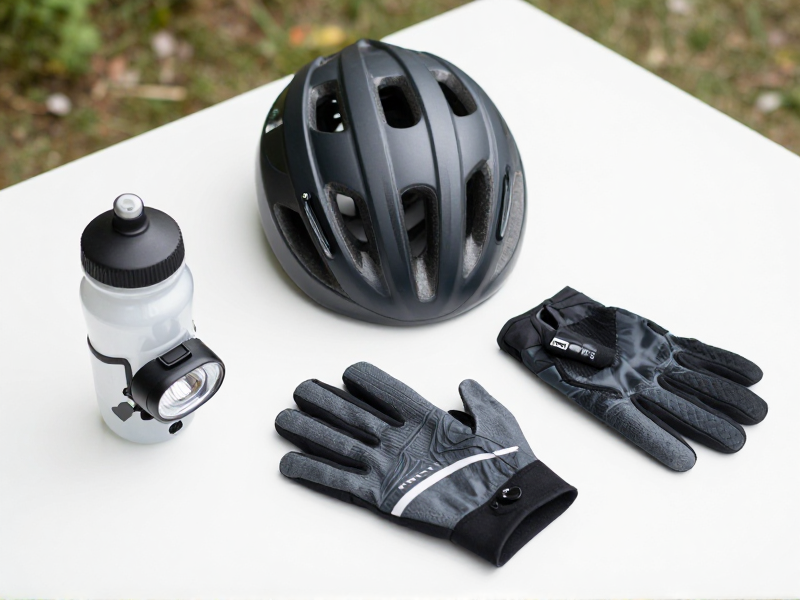
Beyond legal requirements, these accessories enhance safety:
- Garmin Varia RTL515 Radar Tail Light with vehicle detection alerts
- NiteRider Lumina 1200 Boost Front Light with 1200 lumen output
- Bontrager Ion Pro RT Front Light with smart wireless connectivity
- Quad Lock Phone Mount for navigation without compromising safety
- Tile Pro GPS Tracker to locate stolen bikes
Locks and Security
While not legally required, high-quality locks are essential:
- Kryptonite New York Fahgettaboudit offers maximum security with Sold Secure Diamond rating
- ABUS Granit X-Plus 540 U-Lock provides German-engineered maximum security
Given that eBikes cost more than traditional bikes, investing in quality locks is crucial.
How Are eBike Laws Changing and Evolving?
eBike laws are rapidly evolving as adoption increases, with most states moving toward the standardized three-class system and expanding trail access. Between 2020 and 2025, 12 states updated their eBike legislation to clarify classifications, expand access, or address emerging safety concerns.
Recent Major Changes
2024-2025 Updates:
- Texas expanded trail access for Class 1 eBikes in state parks
- Florida clarified that Class 3 eBikes don't require registration
- Pennsylvania updated municipal authority to restrict eBike access
- Virginia standardized helmet requirements across classes
Emerging Trends
Increased Trail Access: More land managers are conducting pilot programs allowing Class 1 eBikes on trails traditionally restricted to non-motorized use.
Battery Safety Standards: Some states are considering regulations around battery certifications following fire incidents.
Delivery eBikes: Cities are developing specific regulations for commercial eBike use in downtown areas.
Parking Infrastructure: Growing cities are adding eBike-specific parking and charging stations.
Federal Legislation
The "E-BIKE Act" proposes a 30% federal tax credit (up to $1,500) for eBike purchases. If passed, it could dramatically accelerate adoption and prompt states to update infrastructure and regulations.
Frequently Asked Questions
Do I need insurance for my eBike?
No, insurance is not legally required for eBikes in any U.S. state. However, homeowners or renters insurance may cover eBike theft or damage, and specialized eBike insurance policies are available for high-value bikes offering liability coverage, theft protection, and roadside assistance.
Can I ride my eBike on the sidewalk?
Sidewalk riding rules for eBikes match local bicycle regulations in most areas. Many cities prohibit sidewalk riding in business districts but allow it in residential areas. Some states ban sidewalk riding entirely for Class 3 eBikes. Always check local ordinances and yield to pedestrians when sidewalk riding is permitted.
Will a DUI affect my ability to ride an eBike?
In most states, you can ride an eBike with a suspended driver's license since eBikes are classified as bicycles, not motor vehicles. However, you can still be charged with DUI while operating an eBike in all 50 states. Some states with stricter eBike classifications may prohibit riding with a suspended license, particularly for Class 3 models.
Can I modify my eBike to go faster than class limits?
Modifying your eBike to exceed class speed limits makes it no longer a bicycle under state law, potentially reclassifying it as a moped, motor-driven cycle, or motorcycle. This could require registration, licensing, and insurance while making it illegal to ride on bike paths or trails. Additionally, modified eBikes void manufacturer warranties and may violate federal consumer product safety standards.
Are throttle-only eBikes banned in some states?
No U.S. state completely bans throttle-equipped eBikes, but several restrict where they can be ridden. Class 2 eBikes with throttles are legal statewide in all 50 states for road use but face restrictions on natural surface trails, wilderness areas, and some bike paths. Federal lands, state parks, and local trail systems frequently allow Class 1 but prohibit Class 2 access.
Conclusion: Staying Compliant with eBike Laws
Understanding ebike laws in your state ensures you can ride confidently, access the trails and paths you want, and avoid costly citations. While the three-class system has brought consistency to most of the country, local variations mean you should always verify regulations before riding in new areas.
The eBike legal landscape continues to evolve rapidly as these vehicles gain mainstream acceptance. Stay informed by checking your state's department of transportation website and connecting with local cycling advocacy groups.
Ready to find the perfect eBike for your needs and local regulations? Explore our recommendations for commuter eBikes, budget options, and cargo bikes that comply with three-class standards.
Equip your ride with essential safety gear including quality locks from Kryptonite, powerful lights, and certified helmets to stay safe and legal on every ride.
Remember: Laws change frequently. Always verify current regulations with your local transportation department before riding in unfamiliar areas or purchasing a new eBike class.
Affiliate Disclosure
Discussion
Sign in with GitHub to leave a comment. Your replies are stored on this site's public discussion board.