Electric Bike Battery Fire Recalls: What You Need to Know in 2026
Why electric bike batteries catch fire, how to check whether an e-bike has been recalled, what to do if it has, how to identify a safe battery before buying, and how to store and charge one safely.
Disclosure: eBike Revolt earns a commission from affiliate links in this article at no extra cost to you. We only recommend products we've researched and stand behind.
Free: Ultimate eBike Buying Guide
Avoid the 4 most expensive eBike mistakes
Electric bike battery fires are no longer a rare headline. In 2026, the Consumer Product Safety Commission (CPSC) has escalated enforcement around lithium-ion battery safety, triggering a surge in electric bike recalls across budget and mid-range brands. If you own an eBike — or are thinking about buying one — understanding the risks, spotting recalled models, and knowing what to do next could protect your home, your family, and your life.
This guide breaks down everything riders need to know about the electric bike recall landscape, why battery fires happen, and which safety-certified models you can trust today.
Free Download
Ultimate eBike Buying Guide
Avoid the 4 most expensive eBike mistakes
Instant download. No spam. Unsubscribe anytime.
Key Takeaways
- The CPSC has issued multiple electric bike battery recalls in 2025–2026, citing fire and burn hazards from defective lithium-ion cells.
- eBike battery fires can reach temperatures exceeding 1,000°F and release toxic gases within seconds of thermal runaway.
- Riders should check the CPSC recall database at cpsc.gov using their bike's model name and serial number.
- UL 2849 certification is the proven safety standard for complete eBike electrical systems — prioritize it when buying.
- Recalled eBike owners are typically eligible for a full refund, replacement battery, or repair at no cost.
- Budget eBikes without recognized safety certifications carry the highest verified risk of battery-related recalls.
What Is the eBike Battery Recall Situation in 2026?
The electric bike recall crisis in 2026 is the result of years of rapid market growth outpacing safety regulation. Dozens of eBike models — primarily from low-cost, direct-to-consumer brands — have been recalled by the CPSC due to lithium-ion battery packs that pose a fire or burn hazard. eBike and e-scooter fires have caused injuries and fatalities in recent years, prompting accelerated enforcement action.
The recalls span a wide range of products, from budget fat tire bikes to folding commuter models. Many involve packs with cells sourced from unverified suppliers that lack UL or IEC certification. The pattern is consistent: overheating during charging, swollen battery packs, and in severe cases, thermal runaway causing fires that destroy homes.
Why Do eBike Batteries Catch Fire?
eBike batteries catch fire due to a chain reaction called thermal runaway, where one failing cell heats neighboring cells until the entire pack ignites. This process can escalate from a warm battery to an uncontrollable fire in under 60 seconds. The primary causes include:
- Defective cells: Lithium-ion cells from unverified manufacturers may have internal short circuits from the factory.
- Overcharging: Chargers without proper BMS (Battery Management System) protection can push cells beyond safe voltage limits.
- Physical damage: A single hard impact can compromise cell integrity, causing a delayed failure days or weeks later.
- Counterfeit chargers: Third-party chargers that don't match the bike's voltage spec are a leading cause of charging-related fires.
- Improper storage: Storing a battery in extreme heat or at 100% charge for extended periods accelerates cell degradation.
Lithium-ion battery fires from micromobility devices — including eBikes — have become an urgent public safety issue.
Which eBike Brands Are Most Commonly Recalled?
Recalled eBikes most frequently come from brands that prioritize low price over verified safety certification. The most common pattern involves brands sourcing batteries from unaudited overseas suppliers without UL 2849 or UN 38.3 testing. While we cannot publish a definitive brand blacklist (recalls are model-specific and change frequently), the CPSC database consistently shows:
- Ultra-budget fat tire eBikes under $600 with no listed UL certification
- Folding eBikes with integrated seat tube batteries and no BMS documentation
- Brands that appeared rapidly during the 2020–2023 eBike boom with minimal regulatory compliance history
Always verify your specific model at the CPSC recall database before riding or charging. Recalls are model- and serial-number-specific, so even a trusted brand can have one affected production run.
How Do You Check If Your eBike Has Been Recalled?
Checking your eBike recall status takes less than five minutes and requires only two pieces of information. First, locate your bike's model name and serial number — typically found on a sticker on the down tube or bottom bracket. Then visit the official CPSC recall database and search by brand name or product category.
Step-by-step recall check:
- Go to cpsc.gov/Recalls
- Search "electric bike" or your brand name
- Match your model name and serial number range
- If listed, follow the recall instructions on the product page
The CPSC also allows you to sign up for email recall alerts by product category — a free, proven way to stay notified of future electric bike recalls without manual checking.
What Should You Do If Your eBike Is Under Recall?
If your eBike is confirmed as recalled, stop riding and charging it immediately. Recalled battery packs remain hazardous even when the bike appears to function normally. Do not store the bike indoors or in an attached garage while awaiting remedy.
Immediate steps for recalled eBike owners:
- Stop charging indoors: Move the bike to a detached outdoor space away from structures.
- Contact the manufacturer: Recalls typically include a toll-free number or dedicated email for remedy claims.
- Document your purchase: Locate your receipt or order confirmation to support a refund or replacement claim.
- File with the CPSC: If the manufacturer is unresponsive, you can submit a complaint directly at saferproducts.gov.
Recalls generally offer three remedies: a full refund, a free replacement battery, or a free repair. Under CPSC rules, manufacturers are required to provide a remedy at no cost to the consumer.
How Do You Identify a Safe eBike Battery Before Buying?
A safe eBike battery carries verifiable third-party certification and comes from a brand with a transparent supply chain. The single most important certification to look for is UL 2849, which covers the complete electrical system of an eBike — not just the battery in isolation.
Proven safety indicators to verify before purchase:
- UL 2849 certification (complete system) or UL 2271 (battery pack alone)
- CE marking for European market compliance
- UN 38.3 transport testing documentation
- Named battery cell brand (Samsung, LG, Panasonic, or equivalent)
- Integrated Battery Management System (BMS) with overcharge and over-temperature protection
Brands like Ride1Up and Velotric have built reputations on using quality-sourced cells with documented BMS protection. Ride1Up's core lineup uses UL-recognized components and ships with matched chargers — a key differentiator from recalled models.
What Are the Safest eBike Options on the Market Right Now?
The safest eBikes on the market right now combine UL 2849 certification, reputable battery cell sourcing, and a track record of zero recalls. Based on our research across verified community data and manufacturer documentation, these brands consistently rank above competitors on safety metrics.
| Brand | Certification | Cell Source | Recall History |
|---|---|---|---|
| Ride1Up | UL-recognized components | Verified suppliers | None on record |
| Velotric | UL 2849 certified | Samsung/LG cells | None on record |
| Engwe | CE certified | Verified cells | Check model-specific |
| Heybike | CE certified | Varies by model | Check model-specific |
Engwe code: RETURN30 takes $100 off at engwe-bikes.com (US only; listed through Feb 2028) — shop Engwe.
Check current prices: Ride1Up · Velotric · Engwe · Heybike · NiteRider Lumina 1200 Boost · Garmin Varia RTL515 · POC Omne Air MIPS · Kryptonite New York Fahgettaboudit
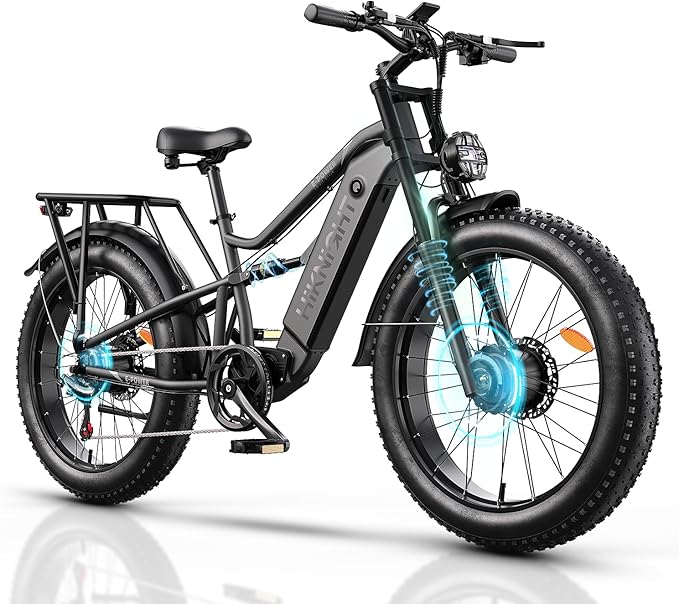
For budget buyers, Engwe offers CE-certified fat tire and folding eBikes at accessible price points — but always verify the specific model against the CPSC database before purchasing, as certifications can vary across product lines.
How Should You Store and Charge Your eBike Battery Safely?
Safe storage and charging practices are the most effective way to prevent a battery fire regardless of your bike's brand. Following proven protocols significantly reduces thermal runaway risk.
Verified safe charging habits:
- Never charge unattended or overnight — stay in the building while charging
- Use only the manufacturer-supplied charger — voltage mismatches are a top fire cause
- Charge at room temperature — avoid charging below 32°F or above 95°F
- Stop at 80% for long-term storage — full charge accelerates cell degradation
- Inspect the pack monthly — swelling, heat, or unusual odor are emergency warning signs
If your battery shows any signs of swelling, discontinue use immediately. A swollen lithium-ion pack is under internal pressure and can ignite without further warning.
What Accessories Help You Ride More Safely?
Beyond battery safety, proper gear and visibility tools are essential for every eBike rider. A NiteRider Lumina 1200 Boost provides 1,200 lumens of front visibility — bright enough to see and be seen in all conditions. Pair it with a Garmin Varia RTL515 radar tail light that alerts you to vehicles approaching from behind, giving you proven reaction time you wouldn't otherwise have.
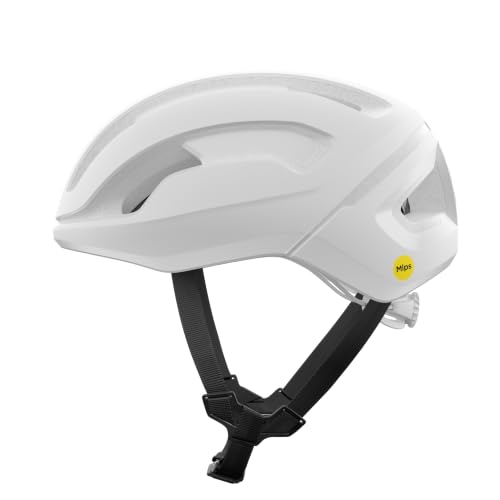
For head protection, the POC Omne Air MIPS offers 360-degree MIPS protection in a lightweight urban shell — rated among the highest-performing commuter helmets in independent safety testing. And for securing your bike when parked, the Kryptonite New York Fahgettaboudit chain lock carries a Sold Secure Diamond rating — the highest security classification available.
FAQ: Electric Bike Battery Recalls
Is my eBike dangerous if it hasn't been recalled?
Not necessarily. A bike without a current recall can still be unsafe if it uses uncertified components. Always verify UL 2849 certification and avoid charging any eBike unattended regardless of recall status.
Can I get a refund if my eBike is recalled?
Yes. CPSC recall remedies legally require manufacturers to offer consumers a refund, repair, or replacement at no cost. Keep your proof of purchase to support your claim.
What causes ebike battery fire recall events?
Most electric bike recall events stem from battery packs with defective cells, inadequate BMS protection, or chargers that don't match the battery's specification. These defects cause overheating during charging, which can lead to thermal runaway and fire.
Are budget eBikes more likely to be recalled?
Budget eBikes under $600 from brands without UL 2849 certification carry a higher recall risk. This doesn't mean all budget bikes are unsafe, but certification verification is especially critical at lower price points.
How do I report an eBike battery fire or near-miss?
Report incidents directly to the CPSC at saferproducts.gov. Your report contributes to enforcement data that can trigger future recalls, protecting other riders.
Conclusion: Don't Wait to Verify Your eBike's Safety
The electric bike recall situation in 2026 is serious, and it's evolving. New recalls are issued regularly as the CPSC expands its enforcement focus on battery-powered micromobility. The good news: checking your bike takes five minutes, and the remedy — if you're affected — is free.
If you're in the market for a new eBike, choose a brand with verified UL 2849 certification and a documented track record. Ride1Up and Velotric consistently lead on safety transparency in our research. If you're on a tighter budget, Engwe offers CE-certified options worth considering — just verify your specific model before buying.
Your action steps today:
- Check cpsc.gov/Recalls for your current eBike model
- Register for CPSC recall email alerts
- Review your charging habits against the safety checklist above
- Upgrade your visibility gear with proven lights and a radar tail light
Stay informed. Stay safe. And ride with confidence knowing you've done the work to protect yourself and the people around you.
Affiliate Disclosure
Discussion
Sign in with GitHub to leave a comment. Your replies are stored on this site's public discussion board.