Electric Bike Safety: Helmets, Lights and Rules by State
Ride safely: expert guide to the best e-bike helmets, lights, and state-by-state Class 1, 2, and 3 laws every electric bike rider must know.
Disclosure: This article contains affiliate links. If you purchase through our links, we may earn a commission at no extra cost to you. We did not test this gear ourselves; picks come from maker specifications and published safety standards.
Free: Ultimate eBike Buying Guide
Avoid the 4 most expensive eBike mistakes
Electric bike ridership has exploded — yet many riders still don't consistently wear a helmet. Whether you're commuting daily or just getting started, e-bike safety isn't optional. This guide covers everything you need: the right helmet, the best lights, and the state laws that apply to your ride.
The stakes are higher on an e-bike than a regular bicycle. Class 3 models reach 28 mph — faster than most casual cyclists have ever pedaled — and that speed changes your crash physics entirely. A quality helmet dramatically reduces head injury risk. The good news: staying legal and staying safe is easier (and more affordable) than most riders think.
Free Download
Ultimate eBike Buying Guide
Avoid the 4 most expensive eBike mistakes
Instant download. No spam. Unsubscribe anytime.
Read on for our proven gear picks, a state-by-state breakdown, and an exclusive safety checklist that covers everything from lights to locks.
Key Takeaways
- Helmet laws vary by state and e-bike class: Class 3 riders (up to 28 mph) face the strictest requirements in most states
- MIPS (Multi-directional Impact Protection System) technology reduces rotational brain injury risk — look for it in any helmet above $60
- Federal law requires e-bikes sold in the US to have a front white light and rear red reflector; many states require an active rear light
- Most fatal bicycle crashes involve a head injury — helmets are the single most effective safety investment
- A front light of at least 500 lumens is considered the minimum for safe nighttime riding on most urban roads
- All 50 states have adopted some version of a three-class e-bike framework, but age requirements and helmet mandates differ significantly
Do E-Bike Riders Legally Need a Helmet?
Helmet requirements for e-bike riders depend on your state and the class of your e-bike. As of 2025, most states require helmets for riders under 18 on all e-bike classes, while Class 3 riders (up to 28 mph) face helmet mandates regardless of age in states like California, New York, and Massachusetts.
No single federal law mandates helmets for adult e-bike riders. Instead, each state sets its own rules tied to e-bike class. Here's a quick breakdown of what that means in practice:
- Class 1 (pedal-assist only, max 20 mph): Helmet required for minors in most states; adults are usually exempt
- Class 2 (throttle-assisted, max 20 mph): Same rules as Class 1 in most jurisdictions
- Class 3 (pedal-assist, max 28 mph): Adult helmet mandate in roughly 20 states; treated more like a moped in some regions
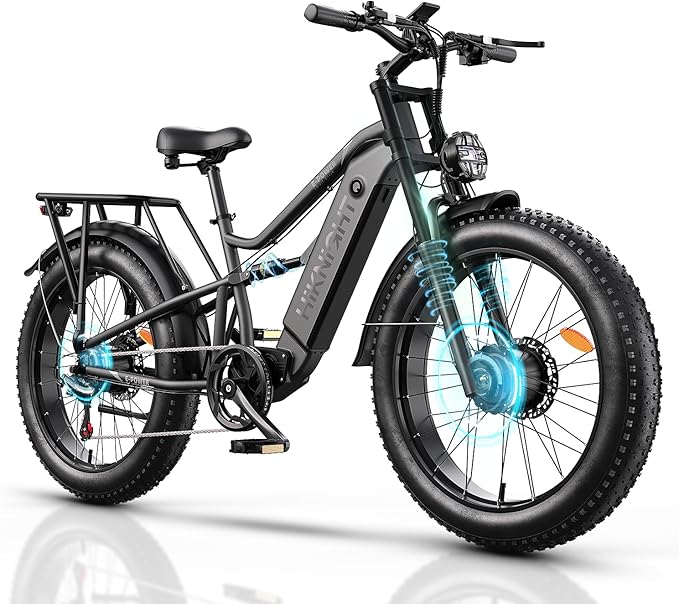
If you're riding a budget e-bike from a brand like Engwe or Heybike — which often come as Class 2 fat-tire models — check your local ordinance. Cities like Chicago and Denver have stricter rules than state law in some cases.
Engwe code: RETURN30 takes $100 off at engwe-bikes.com (US only; listed through Feb 2028) — shop Engwe.
What Helmet Is Best for E-Bike Riders?
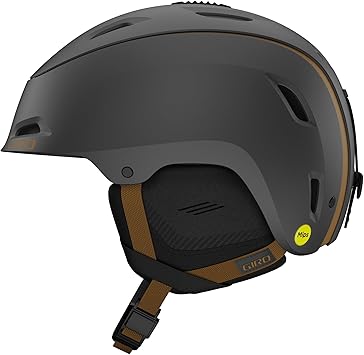
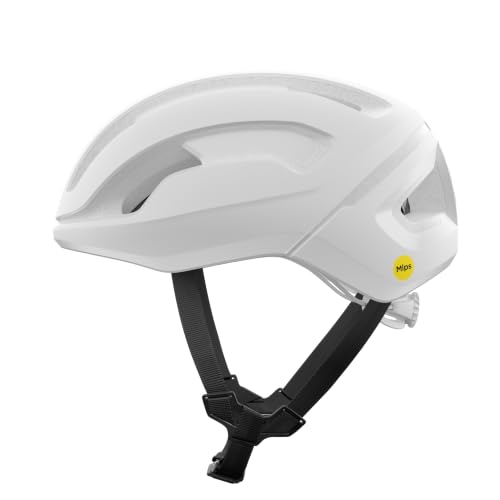
The best helmet for e-bike riders is a MIPS-equipped urban or road helmet rated for speeds above 20 mph. MIPS technology reduces rotational force on the brain during angled impacts — the most common crash type. For most riders, the Giro Syntax MIPS or POC Omne Air MIPS offer the best protection-to-comfort ratio.
Not all helmets are created equal. Standard bicycle helmets are tested to CPSC standards at low impact speeds. E-bike riders, especially Class 3 users, benefit from helmets tested to NTA 8776 or the newer Virginia Tech STAR rating system — both account for higher-speed collisions.
Budget vs. Premium: Which Is Right for You?
| Feature | Budget Helmet (<$60) | Mid-Range ($60–$120) | Premium (>$120) |
|---|---|---|---|
| MIPS Protection | Rare | Standard | Advanced MIPS or WaveCel |
| Ventilation | Basic | Good | Excellent |
| Fit System | Manual | Dial-adjust | Precision dial + pads |
| Visor | Sometimes | Usually | Always |
| Commuter Extras | None | Some lights | Full integration |
| Best For | Casual riders | Daily commuters | High-speed / long rides |
Check current prices: Engwe · Giro Syntax MIPS Helmet · POC Omne Air MIPS Helmet · Garmin Varia RTL515 Radar Tail Light · NiteRider Lumina 1200 Boost Front Light · Kryptonite New York Fahgettaboudit Chain Lock
The Giro Syntax MIPS Helmet sits in the mid-range sweet spot. It features a Roc Loc 5 fit system, 25 vents, and MIPS slip-plane technology — all in a sleek urban design that doesn't scream "cyclist."
For riders willing to invest more, the POC Omne Air MIPS Helmet is a premium Swedish-engineered option with 360-degree MIPS protection and a featherlight 240g shell. POC has been a sponsor of professional cycling safety research for over a decade — their helmets are built with peer-reviewed science behind every layer.
Pro Tip: Replace your helmet every 5 years, or immediately after any impact — even if you see no visible damage. Foam liners compress on impact and don't recover.
What Lights Does an E-Bike Legally Need?
Federal law (CPSC) requires all e-bikes sold in the US to include a front white light visible from 500 feet and a rear red reflector. However, most states require an active rear light — not just a reflector — for nighttime riding. Riders in California, New York, Florida, and Texas must use front and rear lights after dark.
The gap between "factory required" and "actually safe" is significant. A passive reflector is nearly invisible until headlights are within 50 feet. An active rear light like the Garmin Varia RTL515 Radar Tail Light is visible up to one mile away — and it does something no reflector can: it detects approaching vehicles up to 140 meters back and alerts you via handlebar display or smartphone.
How Many Lumens Do You Actually Need?
- Urban streets (well-lit): 200–400 lumens front, active rear blink
- Suburban roads (mixed lighting): 400–800 lumens front, 50+ lumen rear
- Rural roads or trails (unlit): 800–1,300+ lumens front, 100+ lumen rear
The NiteRider Lumina 1200 Boost Front Light delivers exactly 1,200 lumens on max mode, with a runtime of 1.5 hours at full blast or 11 hours on the lowest setting. It's waterproof, USB-rechargeable, and mounts tool-free in seconds — a proven choice among commuters who ride year-round.
For tech-forward riders, the Bontrager Ion Pro RT Front Light offers 1,300 lumens with Bluetooth connectivity and automatic daylight-reactive brightness adjustment. It pairs with Garmin cycling computers for seamless ride data integration.
How Do E-Bike Laws Vary by State?
All 50 states have adopted a three-class e-bike framework, but enforcement, age limits, and helmet mandates vary widely. California, New York, and Washington have the strictest regulations. Texas, Florida, and most Midwestern states are more permissive for adult riders.
Here's a verified snapshot of key states as of early 2025:
| State | Class 3 Age Limit | Helmet Mandate | Path Access |
|---|---|---|---|
| California | 16+ | Required (all ages, Class 3) | Class 1 & 2 on paths |
| New York | 16+ | Required (under 17) | Class 1 & 2 on paths |
| Texas | No age limit | Under 18 only | All classes on roads |
| Florida | No age limit | Under 16 only | Class 1 & 2 on paths |
| Colorado | No age limit | Under 18 only | Class 1 on paths |
| Washington | 16+ | Under 17 only | Class 1 on paths |
| Illinois | No age limit | Under 17 only | Class 1 & 2 on paths |
Always check your local city or county rules. Many municipalities layer their own restrictions on top of state law — especially for bike lanes, multi-use paths, and speed limits in parks.
What Other Safety Gear Do Smart E-Bike Riders Use?
Beyond helmets and lights, experienced e-bike riders invest in high-visibility clothing, mirrors, and quality locks. Theft is a leading safety concern — losing an e-bike worth $1,000–$4,000 is a financial emergency. The Kryptonite New York Fahgettaboudit chain lock and ABUS Granit X-Plus U-lock are the two most trusted options for serious protection.
The Kryptonite New York Fahgettaboudit Chain Lock holds the highest security rating available: Sold Secure Diamond. Its 14mm hex-link chain resists bolt cutters that defeat most competitors, and it's backed by Kryptonite's Anti-Theft Protection Offer.
If portability matters more, the ABUS Granit X-Plus 540 U-Lock is a German-engineered option with a hardened steel shackle and ABUS security level 15/15 — the maximum on their scale.
Your E-Bike Safety Checklist (Before Every Ride)
- Helmet buckled and snug (two-finger rule under chin)
- Front and rear lights charged and functioning
- Tires inflated to recommended PSI (check sidewall)
- Brakes tested — full stop from 10 mph within 15 feet
- Battery charged to desired level
- Lock secured to frame and wheel at destination
FAQ: Electric Bike Safety
Is a bike helmet enough for a Class 3 e-bike?
A standard CPSC-rated bike helmet is legal for Class 3 riding in most states, but a helmet tested to NTA 8776 or with a strong Virginia Tech safety rating is the safer choice for higher-speed riding. Brands like POC and Giro offer models specifically designed for faster urban cycling.
Do e-bikes need to have lights installed from the factory?
Under federal CPSC regulations, e-bikes must include a front white light and rear red reflector at point of sale. However, many budget e-bikes ship without rear lights. Always verify your setup and add an active rear light for any nighttime riding.
Can I ride my e-bike on a bike path?
It depends on your state and e-bike class. Class 1 (pedal-assist to 20 mph) is permitted on most multi-use paths. Class 2 and Class 3 are restricted from paths in several states. Always look for posted signage at path entrances and check your local parks department rules.
What is the most important safety upgrade for a budget e-bike?
A quality MIPS helmet is the single most impactful upgrade for any rider, especially those on affordable e-bikes that may lack premium braking components. After that, a bright front light (500+ lumens) dramatically reduces your crash risk during low-light riding.
Are fat-tire e-bikes safer than standard e-bikes?
Fat tires (4-inch width) provide more surface contact and traction on loose or slippery terrain, which can reduce the risk of slides and falls. However, they don't replace proper braking technique or protective gear. Models from Engwe and Heybike feature fat tires as a standard offering in the budget e-bike segment.
Conclusion: Gear Up, Know the Rules, Ride Confidently
E-bike safety is a three-part equation: the right protective gear, proper lighting, and a clear understanding of the laws where you ride. You don't need to spend a fortune — even riders on a tight budget can build a safe, legal setup with a MIPS helmet, a 1,000-lumen front light, and an active rear blink.
The cost of a quality helmet and lights is a fraction of a single emergency room visit — and a fraction of the electric bike accessories that make the biggest difference in your long-term safety. Whether you're on a budget e-bike or a premium commuter, these fundamentals apply equally.
Ready to gear up? Start with the two upgrades that matter most:
- Helmet: Giro Syntax MIPS (best value) or POC Omne Air MIPS (premium pick)
- Lights: NiteRider Lumina 1200 Boost (front) + Garmin Varia RTL515 (smart rear radar)
Ride smart. Ride visible. Ride protected.
Affiliate Disclosure
Discussion
Sign in with GitHub to leave a comment. Your replies are stored on this site's public discussion board.