How to Clean Your E-Bike After Rain: Complete Maintenance Guide
FTC Disclosure: This article contains affiliate links. If you purchase through these links, we may earn a commission at no additional cost to you. This helps us continue providing valuable e-bike content. Riding your e-
FTC Disclosure: This article contains affiliate links. If you purchase through these links, we may earn a commission at no additional cost to you. This helps us continue providing valuable e-bike content.
Riding your e-bike in the rain is part of the adventure, but what you do afterward determines how long your bike lasts. Water exposure can wreak havoc on electrical components, corrode metal parts, and degrade performance if not addressed properly.
Free: Ultimate eBike Buying Guide
Avoid the 4 most expensive eBike mistakes
Most e-bike owners make critical mistakes when cleaning after rain—using high-pressure water on electronics, skipping crucial drying steps, or applying the wrong lubricants. The good news? With the right approach, cleaning your e-bike after rain takes just 15-20 minutes and can prevent thousands of dollars in repair costs.
This comprehensive guide covers everything you need to know about post-rain e-bike maintenance, from immediate water removal to long-term corrosion prevention. Whether you're a daily commuter or weekend warrior, these proven techniques will keep your e-bike running smoothly through any weather.
Free Download
Ultimate eBike Buying Guide
Avoid the 4 most expensive eBike mistakes
Instant download. No spam. Unsubscribe anytime.
Key Takeaways
- Clean your e-bike within 2 hours of rain exposure to prevent corrosion and electrical damage
- Never use high-pressure washers directly on motors, batteries, or display screens—use low-pressure water or damp cloths instead
- Dry the battery compartment, charging port, and electrical connections thoroughly before storing
- Re-lubricate the chain and drivetrain after every wet ride to prevent rust and maintain smooth shifting
- Store your e-bike in a dry, temperature-controlled environment after cleaning to avoid condensation buildup
- Inspect brake pads and rotors after rain rides, as water exposure reduces braking efficiency by up to 40%
Why Is Cleaning Your E-Bike After Rain Essential?
Cleaning your e-bike after rain exposure protects expensive electrical components from corrosion, prevents rust on metal parts, and maintains optimal performance. Water can seep into connections, degrade lubricants, and create rust that compromises safety—issues that cost hundreds in repairs if ignored.
E-bikes contain sensitive electronics worth $500-$1,500 that aren't found on traditional bikes. The battery, motor controller, display, and wiring harnesses are vulnerable to water damage even with IP65 ratings. Salt from winter roads and minerals in rainwater accelerate corrosion, potentially causing short circuits months after exposure.
Beyond electronics, wet chain lubricant washes away during rain rides, leaving metal-on-metal contact that wears components 3-5 times faster. Brake rotors and pads collect debris and water, reducing stopping power by 30-40% until properly cleaned and dried.
Regular post-rain cleaning extends component life by 2-3 years on average. It also maintains warranty coverage, as many manufacturers void warranties for water damage caused by improper maintenance.
What Should You Do Immediately After Riding in Rain?
Remove excess water from your e-bike within 30 minutes of returning home using a clean microfiber cloth. Focus on the battery compartment, charging port, display screen, and all electrical connections—these areas are most vulnerable to immediate water damage.
Start by wiping down the battery housing and ensuring the charging port cover is fully closed. Even waterproof connections can fail if water pools around seals. Remove the battery if possible and dry both the battery casing and the compartment where it mounts.
Next, wipe the display screen and controller with a dry cloth. Water droplets can seep into button interfaces and cause malfunctions. Check cable connections where wires enter the motor, controller, and brake sensors—these junction points are common water entry spots.
Don't ride or charge your e-bike until it's completely dry. Charging a wet battery can cause short circuits or accelerated degradation. Let the bike air dry for at least 2 hours in a warm, ventilated space before proceeding with deep cleaning.
How Do You Safely Clean E-Bike Electronics After Rain?
Clean e-bike electronics using a barely damp microfiber cloth—never spray water directly on batteries, motors, or displays. Wipe in a single direction to push water away from seals rather than into them, and inspect all rubber gaskets for damage that could allow water intrusion.
For the battery and motor housing, use a cloth wrung out until almost dry. These components typically have IP65 ratings (protected against water jets), but prolonged exposure or high-pressure water can compromise seals. Avoid circular wiping motions that can work water into connection points.
The display screen requires extra care. Use a clean, dry microfiber cloth first to remove water spots. If grime remains, lightly dampen a corner of the cloth with distilled water—never use glass cleaner or chemicals that can damage anti-glare coatings.
Check electrical connections where cables plug into components. If you see water, use compressed air (from 12+ inches away at low pressure) to blow it out, or carefully dab with a cotton swab. Never use high-pressure air directly on connections, as it can push water deeper into housings.
For stubborn dirt around electrical components, use a soft-bristled brush (like an old toothbrush) barely dampened with water. Brush away from connection points, not toward them.
What's the Proper Method for Cleaning the E-Bike Frame and Components?
Clean your e-bike frame using low-pressure water or a bucket wash method with bike-specific cleaner, avoiding all electrical components. Start from the top and work downward, using a soft sponge for the frame and a brush for hard-to-reach areas like the rear triangle and fork stanchions.
Begin by rinsing the frame with low-pressure water from a hose without a nozzle, or use a bucket and sponge. Never aim water directly at the motor, battery contacts, headset bearings, or bottom bracket—these areas should only be wiped with a damp cloth.
Apply bike-specific cleaner (not car wash soap or dish detergent, which can strip protective coatings) to the frame, fork, and fenders. Let it sit for 2-3 minutes to break down road grime. Use a soft sponge for painted surfaces and a firmer brush for unpainted aluminum parts.
For the wheels, clean the rims with a dedicated wheel brush, paying attention to brake surfaces. Road salt and brake dust accumulate here and can contaminate brake pads. Clean between spokes and around the hub, but avoid directing water at the motor if you have a hub-drive e-bike.
The suspension components need special attention. Wipe fork stanchions and rear shock shafts gently with a clean cloth—never use brushes that could scratch the seals. Remove any mud packed around seals, as this grit causes oil leaks and premature wear.
Rinse thoroughly with low-pressure water, again working from top to bottom. Ensure all soap residue is removed, as it can attract dirt and degrade rubber components over time.
How Do You Clean and Protect the Drivetrain After Rain?
Clean the drivetrain by removing mud and debris with a brush, then re-lubricating the chain, cassette, and derailleur pivots with wet-weather lubricant. Rain washes away protective oils, leaving bare metal that rusts within hours if not treated—proper chain care prevents drivetrain replacement that costs $200-$400.
Start by shifting to the smallest chainring and smallest rear cog, which gives maximum slack for cleaning. Use a dedicated chain cleaning tool or stiff brush with degreaser to scrub the chain while backpedaling. Focus on the inner plates and rollers where grit accumulates.
Clean the cassette teeth with a brush or specialized cassette cleaning tool. Remove packed debris from between cogs, as this buildup causes poor shifting and accelerates chain wear. If you have a chain guard or bash guard, remove it to clean underneath.
For the chainrings, scrub both sides of the teeth and around the crank arms where mud collects. Check derailleur pulleys—these small wheels accumulate grime that reduces shifting precision. Pop out any debris wedged around them.
After cleaning, dry the drivetrain thoroughly with a clean rag. This step is critical—applying lubricant to wet metal traps moisture and accelerates rust. Wait 15-20 minutes if needed for air drying.
Apply wet-weather chain lubricant (not dry lube, which washes away in rain) to each roller while backpedaling. Use 1-2 drops per link, then wipe away excess after 5 minutes. Excess lube attracts dirt and creates grinding paste that wears components faster. Quality chain care products from brands like Topeak Mini 20 Pro make roadside maintenance easier.
Don't forget derailleur pivots and cable housing entry points. Apply one drop of lubricant to each moving pivot point for smooth shifting.
What Brake Maintenance Is Required After Rain Exposure?
Inspect and clean brake rotors and pads after every rain ride, as water exposure reduces braking power by 30-40% and accelerates pad wear. Wipe rotors with isopropyl alcohol to remove water spots and contamination, and check that pads haven't absorbed water that could cause brake fade.
Start by spinning each wheel and watching the rotor pass through the caliper. Look for wobbles, contamination spots, or debris embedded in the pad material. Even with disc brakes (standard on most e-bikes), wet conditions introduce contaminants that reduce friction.
Clean rotors with isopropyl alcohol (70% or higher) on a clean cloth. Never use oil-based cleaners or solvents that contaminate the friction surface. Wipe in straight lines from the rotor center outward, not in circles that can trap debris near the hub.
For brake pads, remove the wheel and inspect the pad surface. If pads are contaminated (shiny or discolored), lightly sand them with fine-grit sandpaper (220-320 grit) in a straight line motion. This removes the contaminated layer and restores grip.
If your e-bike has mechanical rim brakes (common on budget models like some Heybike options), wipe the rim braking surface thoroughly. Check brake pads for embedded metal shards or debris that can scratch rims.
After cleaning, perform several hard stops in a safe area to bed the pads back to the rotors. This burn-off process removes residual moisture and restores full braking power before your next ride.
How Should You Dry and Store Your E-Bike After Cleaning?
Dry your e-bike in a warm, ventilated area for at least 2-4 hours before storage, ensuring all water has evaporated from electrical components and frame crevices. Store in a climate-controlled space between 50-77°F (10-25°C) to prevent condensation that damages electronics and corrodes metal parts.
After cleaning, prop your e-bike in a stand or hang it to allow water to drain from frame tubes and hidden areas. Open the battery compartment (with battery removed) to air dry. Leave the charging port cover open if your model allows, but ensure no dust can enter.
Use a fan to accelerate drying, especially around the motor housing, bottom bracket, and headset. These enclosed areas trap moisture that leads to bearing damage and electrical corrosion. Avoid using heat guns or hair dryers, as excessive heat can damage plastic components and cable insulation.
Check that these areas are completely dry before storage:
- Battery compartment and contacts
- Charging port
- Display screen and button interfaces
- Motor cable connections
- Inside frame tubes (tip the bike to drain)
- Brake calipers and rotor surfaces
For battery storage, keep it at 40-80% charge in a cool, dry place separate from the bike if possible. Never store a wet battery, as internal condensation can cause cell degradation or dangerous chemical reactions.
If you must store your e-bike in an unheated garage or shed, use a breathable bike cover—not plastic tarps that trap moisture. Consider moisture-absorbing packets (silica gel) in enclosed areas during winter storage.
For security during storage, quality locks like the Kryptonite New York Fahgettaboudit or ABUS Granit X-Plus 540 provide maximum protection even in damp environments.
What Products Should You Use for E-Bike Rain Cleaning?
Use bike-specific cleaners, degreasers, and wet-weather lubricants designed for e-bikes—avoid automotive products that can damage electrical seals and paint. Essential supplies include microfiber cloths, soft brushes, isopropyl alcohol for electronics, and chain lube rated for wet conditions.
Essential cleaning products:
- Bike-specific cleaner: Biodegradable formula that won't strip paint or damage seals (brands like Muc-Off or Simple Green Bike)
- Chain degreaser: Citrus-based or biodegradable to remove grime without residue
- Wet-weather chain lube: Water-resistant formula that stays on during rain (not dry lube)
- Isopropyl alcohol (70%+): For cleaning rotors and electronic connections
- Microfiber cloths: Minimum 3-4 for different tasks (frame, electronics, drivetrain, drying)
- Soft-bristled brushes: Various sizes for frame, wheels, and drivetrain
- Chain cleaning tool: Speeds up drivetrain maintenance significantly
What NOT to use:
- High-pressure washers (over 30 PSI near electronics)
- WD-40 as chain lubricant (it's a degreaser, not a lube)
- Dish soap (strips protective coatings)
- Paper towels (too abrasive for painted surfaces)
- Harsh solvents (can damage rubber seals and plastic components)
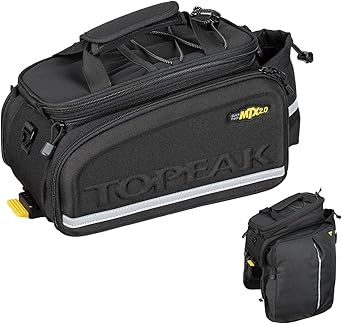
For organized cleaning supply storage, consider a mounted organizer or trunk bag like the Topeak MTX TrunkBag DXP, which can hold tools and supplies for pre-ride prep and post-ride maintenance.
Invest $30-50 in quality cleaning products—they last for dozens of washes and prevent damage that costs hundreds to repair.
How Often Should You Perform Deep Cleaning After Rain?
Perform basic post-rain cleaning after every wet ride, but conduct deep cleaning with full component inspection every 3-5 rain rides or monthly during rainy seasons. Deep cleaning includes removing the battery for compartment drying, checking all electrical connections, and inspecting wear items like brake pads and chain stretch.
After every rain ride (15-20 minutes):
- Wipe down all electrical components
- Dry battery compartment and charging port
- Clean and re-lubricate chain
- Wipe brake rotors
- Quick frame wipe-down
Deep cleaning schedule (45-60 minutes):
- After 3-5 rain rides
- Once monthly during wet seasons
- Before long-term storage
- After particularly muddy or salty conditions
During deep cleaning, remove the battery and thoroughly dry and inspect the compartment. Check battery contacts for corrosion (green or white buildup) and clean with isopropyl alcohol if needed. Inspect all cable connections for water intrusion or seal damage.
Measure chain wear with a chain checker tool—rain accelerates wear from 0.5% to 0.75% threshold much faster than dry conditions. Replace chains before they reach 0.75% to prevent cassette damage.
Check tire pressure, brake pad thickness, and suspension seals during deep cleaning. These wear items degrade faster in wet conditions and benefit from regular inspection.
For riders who commute daily in rainy climates, consider professional service every 3-4 months. Shops can check internal bearings, motor diagnostics, and electrical connections that aren't accessible during home maintenance.
What Are Common Mistakes to Avoid When Cleaning After Rain?
Never use high-pressure water directly on motors, batteries, or displays—even waterproof e-bikes can fail when seals are compromised by pressure washing. The most common mistakes include charging wet batteries, skipping chain lubrication, using wrong cleaning products, and storing wet bikes in enclosed spaces.
Critical mistakes that cause damage:
1. Pressure washing electrical components: Water forced past seals causes short circuits and corrosion. Even IP67-rated components aren't designed for direct pressure washing. Cost of mistake: $200-$1,500 for controller or motor replacement.
2. Charging before complete drying: Water in charging ports or battery contacts creates electrical shorts and battery degradation. Cost of mistake: $400-$800 for battery replacement, potential fire hazard.
3. Using WD-40 as chain lubricant: WD-40 is a water-displacement spray, not a lubricant. It washes away quickly and leaves metal unprotected. Cost of mistake: $150-$400 for premature chain and cassette replacement.
4. Storing wet in a garage or shed: Enclosed, unventilated spaces trap moisture, causing hidden corrosion in frame tubes and electrical components. Cost of mistake: Progressive damage that compounds over seasons.
5. Ignoring rubber seals: Cracks in battery compartment gaskets, charging port covers, or cable grommets allow water intrusion. Cost of mistake: $50-$300 for seal replacement plus potential component damage.
6. Using car wash soap: These products strip protective coatings and can damage paint and decals. Cost of mistake: Cosmetic damage and accelerated corrosion.
7. Forgetting brake maintenance: Contaminated brake pads lose 30-40% stopping power and wear rotors unevenly. Cost of mistake: $80-$150 for rotor and pad replacement, plus safety risk.
One Reddit user in the e-bike community shared: "I pressure washed my Rad Power bike after a muddy ride and shorted the controller. $350 repair for a 5-minute mistake." This experience is common—high-pressure water is the #1 cause of preventable e-bike electrical damage.
What Additional Accessories Help Protect Your E-Bike From Rain?
Install fenders, frame protection, and proper storage solutions to minimize water exposure and simplify post-rain cleaning. Quality accessories prevent damage before it occurs, reducing maintenance time and extending component life by 2-3 years compared to unprotected e-bikes.
Essential rain protection accessories:
Fenders: Full-coverage fenders (front and rear) block 80-90% of road spray from reaching the motor, battery, and drivetrain. Look for models that extend low enough to protect the motor housing. Most Velotric and Ride1Up models come with integrated fenders, saving $50-$100 in aftermarket additions.
Frame protection film: Clear protective tape on downtube, chainstays, and high-wear areas prevents water-accelerated paint chips that lead to frame rust. Cost: $20-$40 for DIY kits.
Battery cover: Neoprene or silicone battery covers provide extra weather protection beyond built-in seals. Particularly useful for downtube-mounted batteries exposed to direct spray.
Chain guard: Full or partial chain guards keep water and debris off the chain, reducing cleaning frequency and extending component life. Especially valuable on cargo bikes like Yuba Cargo models used in all weather.
Bike lights: Rain dramatically reduces visibility. Front lights like the NiteRider Lumina 1200 or Bontrager Ion Pro RT and rear lights like the Garmin Varia RTL515 improve safety while being waterproof themselves.
Protective gear bag: Store cleaning supplies and tools in a waterproof bag like the Topeak MTX TrunkBag DXP for immediate post-ride maintenance.
Phone mount: Protect your phone from rain damage with a waterproof mount system like the Quad Lock Phone Mount, which includes weatherproof cases and vibration dampening.
Quality lock: Wet conditions increase theft opportunity when bikes are parked. Weatherproof locks like Kryptonite Locks maintain security even in rain.
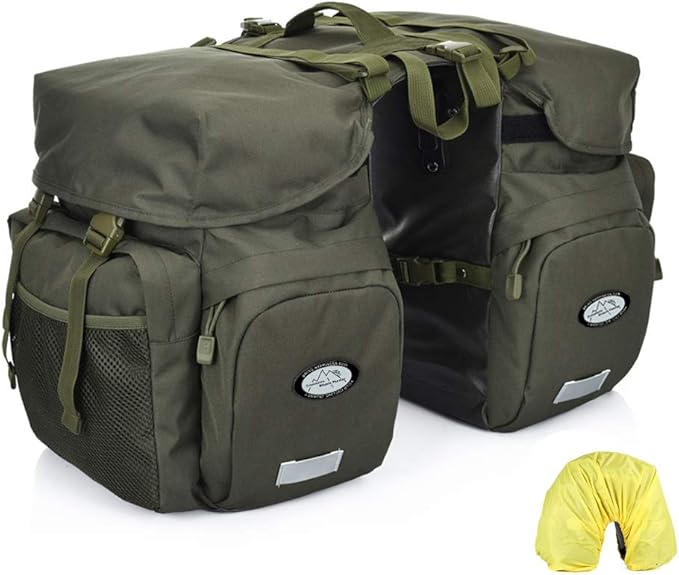
For serious rain commuters, consider investing in waterproof panniers like the Rhinowalk Waterproof Pannier Set to protect cargo while keeping weight off your back for better bike control.
How Do Different E-Bike Styles Affect Rain Cleaning?
Hub-drive and mid-drive e-bikes require different rain cleaning approaches—hub motors need extra attention to wheel bearing seals, while mid-drive motors expose the bottom bracket area to more water and debris. Cargo bikes, folding bikes, and mountain e-bikes each have unique vulnerable points that demand specific maintenance.
Hub-drive e-bikes (common on budget brands like Heybike and Engwe): The motor is sealed inside the wheel hub, with the main vulnerable point being the cable connection at the hub axle. After rain, check this connection carefully and ensure the rubber grommet where the cable exits is intact. Pay special attention to the controller box, usually mounted near the rear wheel where it catches maximum spray.
Mid-drive e-bikes (Bosch, Brose, Shimano systems): The motor sits at the bottom bracket, the lowest point on the bike where water pools. After rain, wipe around the motor housing and check the chainring area where water and debris collect. Clean the motor cover seams where dirt can pack in and compromise seals over time.
Cargo e-bikes: Extended wheelbases and carrying platforms create more surface area for water collection. Check under cargo platforms and inside frame tubes where water can sit. Inspect load-bearing points and hardware for rust, as cargo bikes carry heavier loads that stress corroded parts. Models like Yuba Cargo Bikes often have additional electrical connections for lighting and accessories—inspect these after rain.
Folding e-bikes: Folding mechanisms create additional water entry points. After rain, wipe and dry all folding hinges, latches, and locking mechanisms. Apply light oil to folding pivots to prevent rust and ensure smooth operation. Check battery contacts extra carefully, as folding bikes often have more exposed connection points.
Mountain e-bikes: These bikes see the worst conditions—mud, water crossings, and trail spray. After wet rides, completely remove packed mud from suspension linkages, motor covers, and downtube. Pay special attention to the shock mounting hardware and suspension pivots, which corrode quickly when contaminated.
Fat tire e-bikes: The larger tires throw more water onto the frame, battery, and motor. Consider adding extra frame protection film on the downtube and seat tube. The wider tires also collect more debris between knobs—clean these thoroughly to maintain traction.
Each e-bike style benefits from manufacturer-specific guidance. Consult your owner's manual for waterproof ratings (IP ratings) and any special post-rain maintenance instructions for your model.
Frequently Asked Questions
Can I ride my e-bike in heavy rain?
Yes, most modern e-bikes are rated IP65 or higher, meaning they can handle rain and water spray safely. However, avoid submerging electrical components in standing water or crossing deep puddles that reach above the motor or battery. Always perform post-ride cleaning and drying to prevent long-term damage from water exposure.
How long should I wait to charge my e-bike after rain?
Wait at least 2-4 hours after cleaning before charging, ensuring the charging port and battery contacts are completely dry. Charging wet components can cause short circuits, battery degradation, or fire risk. If you rode through heavy rain, remove the battery and let both the battery and frame compartment air dry thoroughly before reconnecting.
Does rain void my e-bike warranty?
Most manufacturers cover normal weather exposure but void warranties for water damage caused by improper use—like pressure washing, submerging in water, or neglecting maintenance. Document your cleaning routine with photos if making a warranty claim. Regular maintenance as outlined in your manual typically maintains full warranty coverage.
What's the best way to protect my e-bike battery in rain?
Keep the battery compartment sealed with intact rubber gaskets, never ride with the battery partially inserted, and always close charging port covers. After rain exposure, remove the battery, dry both the battery casing and compartment, and store at room temperature. Consider a neoprene battery cover for extra protection on bikes with exposed downtube batteries.
Should I use a pressure washer on my e-bike?
Never use high-pressure washers near electrical components, even if your e-bike is waterproof-rated. Pressure washing can force water past seals, causing immediate or delayed electrical failures costing hundreds in repairs. Use low-pressure water from a hose without a nozzle, or stick to bucket washing for safest results.
Conclusion: Protect Your Investment With Proper Rain Maintenance
Cleaning your e-bike after rain isn't just maintenance—it's insurance against expensive repairs and safety hazards. The 15-20 minutes spent on proper post-ride care prevents corrosion, protects thousand-dollar electrical systems, and maintains the performance that makes e-bikes so enjoyable.
Remember the critical steps: immediate water removal from electronics, gentle cleaning with appropriate products, thorough drying before storage, and re-lubrication of the drivetrain. These simple habits extend component life by years and keep your e-bike reliable in any weather.
Whether you're commuting daily on a Velotric through city rain or trail riding on a mountain e-bike, consistent post-rain care ensures your investment stays protected. Add essential accessories like the Topeak Mini 20 Pro multi-tool for quick adjustments and the Rhinowalk Waterproof Panniers to keep cargo dry while you ride.
Don't let weather limit your e-bike adventures. With proper cleaning techniques and protective gear, your e-bike will perform flawlessly through countless rainy rides. Start implementing these strategies today—your e-bike and your wallet will thank you.
Ready to enhance your rain-riding setup? Check out our comprehensive guide to essential e-bike accessories and discover the best waterproof gear for year-round riding.
Affiliate Disclosure
Discussion
Sign in with GitHub to leave a comment. Your replies are stored on this site's public discussion board.
Continue Reading

Topeak Ratchet Rocket Lite NTX+ Review: The Multitool With Real Torque Control
April 17, 2026

YS YOSE POWER 48V 15Ah Seat-Tube Battery Review: Non-Hailong Frame Option
April 17, 2026

LGECOLFP 48V 15Ah E-Bike Battery Review: +50% Range for $189
April 17, 2026

VEVOR 1000W Electric Bike Conversion Kit Review: DIY E-Bike Under $220
April 17, 2026