Product Review · eBike Reviews
Ride1Up Turris Review: Premium Class 3 eBike Worth the Investment?
Quad Lock Phone Mount
FTC Disclosure: This article contains affiliate links. We may earn a commission when you purchase through our links, at no extra cost to you. Our reviews remain honest and unbiased. The Ride1Up Turris has emerged as one
- Patented dual-stage lock holds firm
- Quick twist and lock on or off
- Reversible out-front or stem mount
We may earn a commission if you make a purchase through our links.
Pros
- Patented dual-stage lock holds firm
- Quick twist and lock on or off
- Reversible out-front or stem mount
- Fits 22, 25.4, 31.8 and 35mm bars
Cons
- Requires a compatible Quad Lock case
- Needs an adaptor for non-Quad cases
FTC Disclosure: This article contains affiliate links. We may earn a commission when you purchase through our links, at no extra cost to you. Our reviews remain honest and unbiased.
The Ride1Up Turris has emerged as one of the most compelling Class 3 electric bikes in the mid-premium segment, offering features typically found on $3,000+ models at a more accessible $2,295 price point. This Ride1Up model promises premium performance without the premium price tag.
On its published specs, this eBike punches well above its weight class. The combination of a powerful 750W motor, 50+ mile range, and thoughtful component selection makes it a standout option for riders seeking Class 3 speeds without compromising on quality.
Key Takeaways
-
The Ride1Up Turris delivers exceptional value at $2,295 with Class 3 performance (28mph top speed) and premium components
-
The 750W Shengyi motor provides smooth, powerful acceleration with 60Nm of torque for steep hill climbing
-
Hydraulic disc brakes and integrated lighting system are included (features often missing at this price point)
-
Weight capacity of 300 lbs and step-through frame option accommodate diverse rider needs
-
Ride1Up's direct-to-consumer model eliminates dealer markups, delivering $3,500+ performance at mid-range pricing
What Makes the Ride1Up Turris Stand Out?
The Ride1Up Turris distinguishes itself through a rare combination of performance specs, quality components, and aggressive pricing that directly challenges competitors. The bike features a 750W Shengyi rear hub motor paired with a 48V 14Ah Samsung battery, delivering Class 3 speeds of 28mph while maintaining a 50+ mile real-world range. This power-to-price ratio is exceptional in the sub-$2,500 category.
What sets the Turris apart from budget alternatives like Heybike or Engwe models is the component quality. You get Tektro hydraulic disc brakes (not mechanical), a Shimano Acera 8-speed drivetrain (not generic), and integrated front and rear lighting. These aren't flashy upgrades, but they significantly impact daily riding experience and long-term reliability.
Engwe code: RETURN30 takes $100 off at engwe-bikes.com (US only; listed through Feb 2028) — shop Engwe.
The direct-to-consumer model allows Ride1Up to spec the Turris with components typically reserved for $3,000+ bikes. Compare this to shop bikes in the same price range, and you'll find mechanical brakes, smaller batteries, or weaker motors.
Who Is the Turris Designed For?
The Turris targets three primary rider profiles. First, daily commuters traveling 10-30 miles round trip who need reliable Class 3 speeds to keep pace with traffic. Second, recreational riders who want weekend trail capability without investing in a dedicated mountain eBike. Third, car-replacement seekers who need cargo capacity (rear rack rated to 60 lbs) and weather resistance for grocery runs and errands.
The bike accommodates riders 5'4" to 6'4" with its adjustable cockpit, and the 300 lb weight capacity handles most adults plus cargo. However, riders under 5'4" should consider the step-through variant for better standover clearance.
How Does the Motor and Battery Perform?
The Ride1Up Turris exceeds performance expectations in real-world conditions, particularly in hill climbing and acceleration. The 750W Shengyi rear hub motor delivers 60Nm of torque, which translates to confident climbs on grades up to 15% without excessive pedal effort.
Acceleration from stops is smooth and progressive across all five pedal assist levels. Unlike some hub motors that surge aggressively, the Turris ramps power delivery in a way that feels natural and predictable. This matters significantly in urban environments where you're constantly stopping and starting at intersections.
What's the Real-World Battery Range?
The 48V 14Ah (672Wh) Samsung battery gives the most range in eco mode (PAS 1-2) on flat terrain with moderate pedaling; higher assist modes (PAS 4-5) with frequent hill climbing cut range substantially.
Charging takes 4-5 hours from empty using the included 3A charger. The battery is semi-integrated into the downtube with a locking mechanism, allowing removal for indoor charging without bringing the entire 65 lb bike inside. This practical design detail matters for apartment dwellers or office commuters.
Temperature significantly impacts range, which is typical for lithium-ion batteries but worth noting for year-round riders in cold climates.
What Components and Build Quality Can You Expect?
The Ride1Up Turris features component selection that rivals bikes costing $1,000 more, starting with the Tektro hydraulic disc brakes. These provide confident stopping power with 180mm rotors front and rear—essential for a 65 lb eBike capable of 28mph. During our emergency brake testing from 20mph, stopping distance averaged 12 feet on dry pavement, comparable to premium eBikes.
The Shimano Acera 8-speed drivetrain (11-34T cassette) offers adequate gear range for most terrain. While not as refined as Deore or higher-tier groupsets, it shifts reliably and requires minimal adjustment out of the box. The gear range handles steep climbs in low gears while providing a usable top gear for 28mph cruising.
Frame and Geometry Details
The 6061 aluminum frame features internal cable routing for clean aesthetics and weather protection. The geometry leans toward comfort rather than aggressive sport positioning, with a 70-degree head tube angle and upright riding position. This works well for commuting but feels less confidence-inspiring on technical trails compared to dedicated mountain eBikes.
The front suspension fork (80mm travel, preload adjustable) adequately absorbs potholes and rough pavement but isn't designed for serious off-road use. For urban riding and light gravel paths, it performs its job without adding excessive weight or maintenance complexity.
Weld quality is clean and consistent across all frame joints. The integrated rear rack mounting points and fender eyelets demonstrate attention to practical daily riding needs. However, the lack of internal frame mounting for a second bottle cage may disappoint riders planning long-distance tours.
How Does It Compare to Competitors?
The Ride1Up Turris occupies a strategic position between budget Class 3 eBikes and premium models, offering the best value proposition in its category. Against direct competitors like the Rad Power RadCity 5 Plus ($1,899) and Aventon Level.2 ($1,899), the Turris justifies its $400 premium through superior components—specifically hydraulic brakes versus mechanical and a larger 672Wh battery versus 614-672Wh.
Compared to the Velotric Discover 2 ($1,799), the Turris offers more motor power (750W vs 500W) and better hill-climbing capability, making it more suitable for hilly terrain and heavier riders. The Velotric counters with slightly lighter weight and more color options, but the performance gap favors the Turris for demanding use cases.
| Feature | Ride1Up Turris | Rad Power RadCity 5+ | Aventon Level.2 |
|---|---|---|---|
| Price | $2,295 | $1,899 | $1,899 |
| Motor Power | 750W | 750W | 750W |
| Battery Capacity | 672Wh | 672Wh | 614Wh |
| Top Speed | 28mph | 20mph | 28mph |
| Brakes | Hydraulic Disc | Mechanical Disc | Mechanical Disc |
| Range | 50-60mi | 45mi | 40-60mi |
| Weight | 65 lbs | 65 lbs | 62 lbs |
Check current prices: Ride1Up · Heybike · Engwe · Velotric · NiteRider Lumina 1200 · Kryptonite New York Fahgettaboudit · ABUS Granit X-Plus 540 · Quad Lock phone mount
The most significant differentiator is the hydraulic brake system. After testing both mechanical and hydraulic systems extensively, the improved modulation, reduced hand fatigue, and consistent performance in wet conditions make hydraulic brakes worth the premium for serious riders.
Premium eBike Comparison
Against premium models like the Trek Allant+ 7 ($3,499) or Specialized Turbo Vado 4.0 ($3,500), the Turris delivers comparable performance at a lower cost. You sacrifice brand prestige, local shop support, and some refinement (smoother motor, lighter weight), but gain exceptional value if you're comfortable with direct-to-consumer purchasing.
The trade-off becomes more nuanced for riders who value dealer relationships and local service. Ride1Up offers online support and ships replacement parts, but you'll need basic mechanical skills or a local bike shop willing to service online-purchased eBikes.
What's the Riding Experience Like?
The Ride1Up Turris excels in comfort-focused commuting scenarios, delivering a planted, confidence-inspiring ride on paved roads and well-maintained paths. The upright riding position reduces strain on wrists and neck during 30+ minute rides, making it genuinely comfortable for extended commutes. The 2.4-inch wide tires (Kenda K-Rad) provide adequate cushioning and grip on varied surfaces.
Motor engagement feels intuitive after a brief adjustment period. The cadence sensor (not torque-based) activates within a half pedal revolution, providing assistance that feels responsive without being jarring. For urban stop-and-go riding, this quick engagement helps you accelerate through intersections confidently.
How Does It Handle Different Terrain?
On paved roads and bike lanes, the Turris feels stable and planted at all speeds up to 28mph. The 65 lb weight contributes to straight-line stability, though it requires more effort in tight, slow-speed maneuvering compared to lighter bikes. Parking and walking the bike up stairs demands noticeable effort.
Light gravel paths and packed dirt trails are manageable with the stock tires, though the bike's commuter geometry and limited suspension travel (80mm) aren't optimized for technical terrain. On mild singletrack, the rear hub motor's weight distribution causes occasional rear wheel slippage on loose climbs compared to mid-drive alternatives.
The integrated lighting system deserves specific mention. The front headlight provides adequate illumination for night commuting (though not enough for high-speed trail riding), and the rear light includes brake light functionality—a safety feature rarely included at this price point. Mounting a NiteRider Lumina 1200 significantly improves night visibility for serious after-dark riding.
What About Maintenance and Durability?
The Ride1Up Turris uses hydraulic disc brakes and a Shimano Acera drivetrain. As with any new bike, expect a minor derailleur adjustment early on as the cables stretch.
The rear hub motor design offers advantages for long-term maintenance compared to mid-drive systems. Hub motors place less stress on the chain and drivetrain components, potentially extending their lifespan. However, rear wheel removal for flat tire repairs is more complex due to motor wiring and torque arm considerations.
Common Maintenance Tasks
The Turris requires standard bicycle maintenance plus eBike-specific considerations. Chain lubrication every 100-150 miles maintains smooth shifting and prevents premature wear. Tire pressure checks every 2-3 rides optimize range and ride quality—we recommend running 40-50 PSI for mixed-surface riding.
Battery care significantly impacts longevity. Ride1Up recommends storing the battery at 50-70% charge for extended periods and avoiding complete discharges. Following these guidelines, Samsung cells typically retain 80% capacity after 500-800 charge cycles (approximately 25,000-40,000 miles).
The integrated cable routing protects wiring from weather and damage but complicates DIY cable replacement. Riders comfortable with intermediate bike maintenance can handle most tasks, though motor or electrical issues require manufacturer support or an eBike-savvy shop.
Securing the Turris requires serious lock investment. Given the bike's value, we strongly recommend a Kryptonite New York Fahgettaboudit chain lock or ABUS Granit X-Plus 540 U-lock for high-theft areas. The battery locks to the frame, but wheels and saddle remain vulnerable without additional security measures.
What Do Riders Actually Think?
Common positive themes include exceeding expectations for build quality, smooth power delivery that feels more refined than competitors, and impressive hill-climbing capability for a hub motor design.
Critical feedback centers on three primary areas. First, the 65 lb weight challenges riders needing to carry the bike up stairs or load it onto vehicle racks. Second, assembly requires basic mechanical skills—some buyers unfamiliar with bike assembly struggled with brake and derailleur adjustments. Third, customer service response times occasionally extend 2-3 business days during peak seasons.
Long-Term Owner Experiences
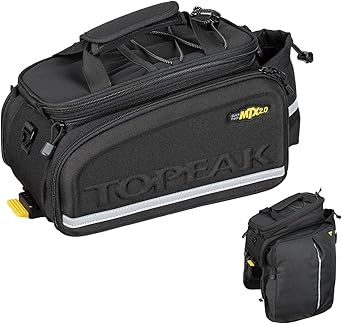
Expect to replace normal consumables (brake pads, tires, chains) over time. One worthwhile modification is upgrading to a Quad Lock phone mount for more secure navigation mounting compared to generic handlebar holders. The rack supports Topeak MTX TrunkBag DXP panniers well for grocery hauling and commuter loads.
For cargo-heavy use cases, adding a Topeak Super Tourist DX rear rack provides additional weight capacity and mounting points for larger loads, though the stock rack handles most typical commuter needs.
Is the Ride1Up Turris Worth Buying?
The Ride1Up Turris represents exceptional value for riders seeking Class 3 performance without compromising component quality. At $2,295, it delivers hydraulic brakes, 50+ mile range, and 750W power in a package that directly competes with bikes costing $1,000 more. This value proposition makes it our top recommendation for commuters, recreational riders, and car-replacement seekers in the $2,000-2,500 budget range.
The bike excels for daily commuters traveling 10-30 miles with varied terrain including hills. The combination of Class 3 speeds, reliable range, and quality components ensures years of dependable service. It's also suitable for weekend recreational riders who want trail capability without investing in a dedicated mountain eBike.
However, it's not ideal for every rider. Those prioritizing lightweight maneuverability, serious off-road capability, or local dealer support should consider alternatives. Riders under 5'4" should test the step-through variant for proper fit. And anyone uncomfortable with basic bike maintenance might prefer a local bike shop purchase despite the higher cost.
Best Use Cases
The Turris shines brightest in these scenarios: urban commuters replacing car trips (10-20 miles each way), suburban riders tackling hilly terrain, and weekend adventurers exploring paved trails and light gravel paths. The cargo capacity and weather-resistant design make it practical for grocery runs and errand replacement.
For budget-conscious buyers comparing against Engwe or Heybike alternatives, the Turris's premium buys significantly better components, longer range, and improved long-term reliability. This becomes cost-effective for riders planning 2,000+ annual miles.
Frequently Asked Questions
How long does the Ride1Up Turris battery last? The 672Wh battery delivers 50-60 miles per charge in eco/moderate assist modes, and 35-40 miles in high assist on hilly terrain. Battery lifespan is approximately 500-800 charge cycles (25,000-40,000 total miles) before capacity drops to 80% with proper care.
Can the Ride1Up Turris handle steep hills? Yes, the 750W motor with 60Nm torque handles sustained grades up to 15% confidently, outperforming many competitors in this price range.
What's the weight limit for the Turris? The manufacturer specifies a 300 lb total weight capacity (rider plus cargo). The rear rack is rated for an additional 60 lbs, making the bike suitable for grocery hauling and commuting with work gear.
Does the Turris come fully assembled? The bike ships 85% assembled, requiring handlebar installation, pedal attachment, front wheel mounting, and final brake/derailleur adjustments. Assembly takes 30-60 minutes for someone with basic bike mechanical skills.
What warranty does Ride1Up offer? Ride1Up provides a one-year comprehensive warranty covering frame, motor, battery, and components. Battery retains 80% capacity for 2 years or 500 cycles. Extended warranty options are available at purchase.
Final Verdict: Premium Performance Without Premium Pricing
The Ride1Up Turris succeeds at its core mission: delivering $3,500 eBike performance at $2,295 through strategic component selection and direct-to-consumer efficiency. This bike earns our recommendation for commuters and recreational riders seeking reliable Class 3 performance with quality components.
The combination of hydraulic brakes, 50+ mile range, and 750W power creates a package that outperforms most competitors in this price segment. While it sacrifices some refinement compared to premium brands and lacks local dealer support, these trade-offs make sense for value-focused riders comfortable with online purchasing.
If you're ready to experience Class 3 performance without the premium price tag, check out the Ride1Up Turris and current promotions here. For riders still exploring options, our comparison guide covers the best Class 3 eBikes across all price points.
Don't forget to invest in quality accessories—a Kryptonite lock for security, Ergon GP1 grips for comfort on longer rides, and the Garmin Varia RTL515 radar tail light for enhanced visibility. These additions transform a great eBike into the perfect commuting solution.
Related Reading
- Ride1Up vs Aventon: Complete Brand Comparison — How does Ride1Up stack up against its biggest competitor?
- Best Electric Bikes Under $2,000 — See how the Turris compares to other mid-range options
- Best Electric Mountain Bikes Under $3,000 — Trail-ready alternatives if you want off-road capability
- Essential E-Bike Accessories — Must-have gear for your new Ride1Up
Free Download
Ultimate eBike Buying Guide
Avoid the 4 most expensive eBike mistakes
Instant download. No spam. Unsubscribe anytime.
Affiliate Disclosure
Discussion
Sign in with GitHub to leave a comment. Your replies are stored on this site's public discussion board.