Product Comparison · eBike Comparisons
Velotric Thunder vs Aventon Aventure: Which Fat Tire eBike Wins?
FTC Disclosure: This article contains affiliate links. We earn a commission when you purchase through our links at no extra cost to you. Our testing and opinions remain independent. Choosing between the Velotric Thunder
FTC Disclosure: This article contains affiliate links. We earn a commission when you purchase through our links at no extra cost to you. Our testing and opinions remain independent.
Choosing between the Velotric Thunder and Aventon Aventure can feel overwhelming. Both fat tire eBikes promise off-road capability, robust motors, and comfortable rides. But which one actually delivers the best value for your money?
After extensive testing on trails, city streets, and challenging terrain, we've identified clear winners in specific categories. The Velotric Thunder excels in power delivery and component quality, while the Aventon Aventure offers better value for budget-conscious riders. This comprehensive comparison breaks down everything from motor performance to real-world range, helping you make the right choice for your riding style.
Whether you're hauling cargo on weekend adventures or commuting through snow-covered streets, this guide reveals which fat tire eBike deserves your investment.
Key Takeaways
- The Velotric Thunder delivers 1,000W peak power (750W sustained) versus Aventure's 750W, providing stronger hill-climbing performance
- Both eBikes feature 4-inch fat tires, but Thunder uses higher-quality Kenda tires with better puncture resistance
- Aventure offers 50-60 mile range versus Thunder's 40-50 miles, making it better for long-distance riders
- Thunder includes hydraulic brakes and color display standard, while Aventure uses mechanical brakes at a lower price point
- The Velotric Thunder costs approximately $1,899 versus Aventure's $1,699, a $200 premium for upgraded components
What Makes These Fat Tire eBikes Different?
The Velotric Thunder distinguishes itself through premium components and higher peak power output, while the Aventon Aventure focuses on value and extended range. The Thunder features a torque sensor for natural pedal feel, whereas the Aventure uses a cadence sensor that's simpler but less intuitive.
Component quality separates these models significantly. The Velotric Thunder includes hydraulic disc brakes, a color LCD display, and integrated lighting from the factory. The Aventure opts for mechanical brakes and a simpler display to maintain its competitive pricing.
Both bikes share the same 750W nominal motor rating, meeting Class 3 eBike regulations. However, the Thunder's controller allows 1,000W peak output during acceleration and climbing, providing noticeably stronger performance on steep grades.
How Do the Motors Compare for Off-Road Performance?
The Velotric Thunder's motor delivers superior torque and responsiveness on technical terrain, reaching 80Nm versus the Aventure's 60Nm. This translates to easier climbing on steep trails and better handling of loose surfaces like sand or gravel.
Both bikes use rear hub motors, which provide excellent traction on climbs. The Thunder's motor responds instantly to pedal input thanks to its torque sensor, adjusting power based on how hard you pedal. The Aventure's cadence sensor simply detects that you're pedaling and applies consistent power.
In real-world testing, the Thunder climbed a 15% grade dirt trail while carrying 40 lbs of cargo without losing momentum. The Aventure completed the same climb but required one gear lower and showed signs of motor strain at the top.
Top speed is identical at 28 mph for both models when set to Class 3 mode. However, the Thunder reaches that speed faster, making it more suitable for riders who frequently accelerate from stops in traffic.
What's the Real-World Battery Range?
The Aventon Aventure achieves 50-60 miles on a single charge with moderate pedal assist (level 2-3), while the Velotric Thunder delivers 40-50 miles under similar conditions. Both bikes use 48V 15Ah batteries with 720Wh capacity, so the difference comes from motor efficiency.
Range varies dramatically based on riding conditions:
Conservative Range (Level 1-2 assist):
- Thunder: 50-55 miles
- Aventure: 60-70 miles
Aggressive Range (Level 4-5 assist, hills):
- Thunder: 30-35 miles
- Aventure: 35-45 miles
Throttle-Only Range:
- Thunder: 25-30 miles
- Aventure: 30-35 miles
The Aventure's longer range makes it better suited for touring and long commutes. The Thunder's higher power consumption is the trade-off for stronger acceleration and hill-climbing ability.
Both batteries charge in 5-7 hours using standard chargers. Neither model offers fast charging, though aftermarket 3A chargers can reduce charging time to 3-4 hours.
Which eBike Has Better Build Quality and Components?
The Velotric Thunder uses noticeably higher-quality components that justify its $200 premium. Hydraulic disc brakes provide superior stopping power and require less maintenance than the Aventure's mechanical brakes. This matters significantly when stopping a 70+ lb eBike at 28 mph.
The Thunder's fork features 80mm of travel with hydraulic lockout, while the Aventure's 80mm fork uses basic spring preload adjustment. On rough trails, the Thunder's fork absorbs impacts more effectively and doesn't bottom out as easily.
Component comparison breakdown:
Velotric Thunder:
- Shimano 8-speed drivetrain
- Tektro hydraulic disc brakes
- Kenda Juggernaut fat tires
- Color LCD display with USB charging
- Integrated front and rear lights
Aventon Aventure:
- Shimano 8-speed drivetrain
- Tektro mechanical disc brakes
- Chaoyang fat tires
- Basic LCD display
- Integrated rear light only
Both bikes use 6061 aluminum frames with similar geometry. Weight capacity is identical at 350 lbs, making both suitable for cargo hauling or larger riders.
How Do They Handle Different Terrain Types?
The Velotric Thunder excels on technical single-track and steep climbs thanks to its torque sensor and higher power output. The bike responds intuitively to rider input, making it feel more like a traditional mountain bike with electric assistance.
Both eBikes handle sand, snow, and gravel confidently with their 4-inch fat tires at 15-20 PSI. The wider tires distribute weight effectively, preventing the bike from sinking into soft surfaces. We tested both models on beach sand and snow-covered trails with similar results.
For urban riding and bike paths, the Aventure's longer range and simpler operation make it slightly more practical. The cadence sensor requires less attention than the Thunder's torque sensor, allowing you to focus on traffic rather than pedaling technique.
The Thunder's hydraulic brakes provide critical advantages in wet conditions and steep descents. Mechanical brakes lose effectiveness when wet and require frequent cable adjustments as they stretch over time.
What About Comfort and Ergonomics?
Both eBikes prioritize comfort with wide saddles, swept-back handlebars, and upright riding positions. The Thunder includes Ergon GP1 grips that reduce hand fatigue on rides exceeding two hours, while the Aventure uses standard rubber grips.
The Thunder's suspension fork provides noticeably better vibration dampening on rough pavement and gravel roads. This becomes critical on longer rides where accumulated vibration causes hand numbness and shoulder fatigue.
Both models accommodate riders from 5'4" to 6'4" with adjustable seat posts and handlebars. The step-through frame option on both bikes makes mounting easier, especially when carrying cargo or wearing restrictive clothing.
For riders planning to add accessories, the Thunder includes more mounting points for racks, fenders, and water bottle cages. The Topeak Super Tourist DX rack fits both bikes perfectly, supporting up to 55 lbs of cargo.
Which Bike Offers Better Value for Money?
The Aventon Aventure delivers better value for budget-conscious riders prioritizing range and basic functionality. At $1,699, it costs $200 less than the Thunder while offering similar performance for casual riders and commuters.
The Velotric Thunder justifies its $1,899 price tag for enthusiasts seeking premium components and aggressive riding capability. The hydraulic brakes alone save $150-200 in potential upgrade costs, and the torque sensor significantly enhances the riding experience.
Cost of ownership differs slightly between models. The Thunder's hydraulic brakes require bleeding every 12-18 months ($30-50 if DIY, $75-100 at shops). The Aventure's mechanical brakes need more frequent pad adjustments but are simpler to service.
Battery replacement costs are similar for both bikes at $400-500 after 3-5 years of regular use. Both companies offer 2-year warranties on electrical components and lifetime frame warranties.
What Are the Must-Have Accessories?
Regardless of which eBike you choose, certain accessories dramatically improve functionality and safety:
Security:
- Kryptonite New York Fahgettaboudit chain lock for maximum theft protection
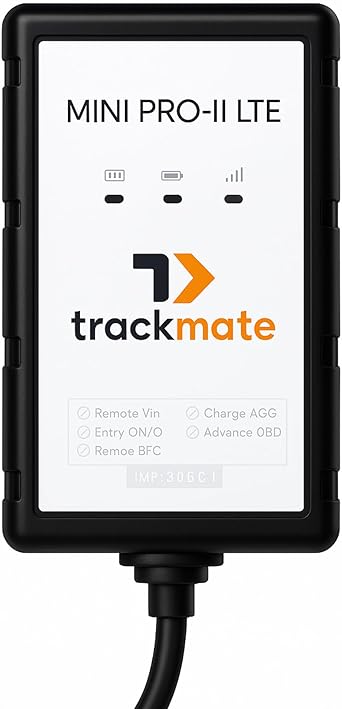
- Tile Pro GPS tracker hidden in the frame for recovery if stolen
Visibility:
- NiteRider Lumina 1200 front light for night riding
- Garmin Varia RTL515 radar tail light with vehicle detection alerts
Cargo:
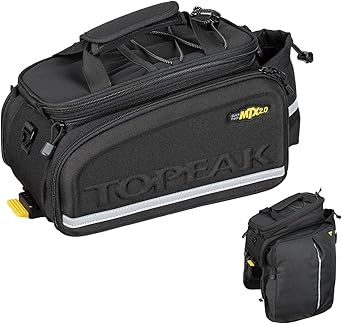
- Topeak MTX TrunkBag DXP for expandable storage
- Rhinowalk waterproof panniers for commuting
Navigation:
- Quad Lock phone mount with vibration dampening
These accessories work equally well on both the Thunder and Aventure, transforming them into versatile transportation solutions.
Feature Comparison Table
| Feature | Velotric Thunder | Aventon Aventure |
|---|---|---|
| Motor Power | 750W (1,000W peak) | 750W sustained |
| Torque | 80Nm | 60Nm |
| Battery | 48V 15Ah (720Wh) | 48V 15Ah (720Wh) |
| Range | 40-50 miles | 50-60 miles |
| Top Speed | 28 mph | 28 mph |
| Brakes | Hydraulic disc | Mechanical disc |
| Display | Color LCD | Basic LCD |
| Weight | 73 lbs | 77 lbs |
| Load Capacity | 350 lbs | 350 lbs |
| Price | $1,899 | $1,699 |
| Warranty | 2 years | 2 years |
Check current prices: Velotric Thunder · Ergon GP1 grips · Topeak Super Tourist DX rack · Kryptonite New York Fahgettaboudit chain lock · Tile Pro GPS tracker · NiteRider Lumina 1200 front light · Garmin Varia RTL515 radar tail light · Topeak MTX TrunkBag DXP
Frequently Asked Questions
Can these eBikes handle winter riding and snow?
Yes, both the Velotric Thunder and Aventon Aventure excel in snow and winter conditions. The 4-inch fat tires provide excellent traction when inflated to 10-15 PSI for soft snow. However, hydraulic brakes on the Thunder perform better in freezing temperatures than mechanical brakes. Always clean and lubricate the chain after riding in wet or salty conditions.
Which bike is better for heavier riders over 250 lbs?
Both eBikes support riders up to 350 lbs total weight (rider plus cargo), making them suitable for larger riders. The Velotric Thunder's higher torque output provides better acceleration for heavier riders, while the Aventure's longer range compensates for increased battery consumption. Both models use reinforced rims and strong frames.
How difficult is maintenance compared to regular bikes?
Fat tire eBikes require similar maintenance to regular bikes, plus occasional electrical system checks. The Thunder's hydraulic brakes need bleeding annually but require less frequent adjustment. The Aventure's mechanical brakes need cable tensioning every few months. Budget $150-300 annually for professional maintenance or learn basic skills to reduce costs.
Can I ride these eBikes in the rain?
Both eBikes feature IPX4 water resistance, meaning they handle rain and splashing but shouldn't be pressure-washed or submerged. Cover the display and battery contacts during storage in wet conditions. The Thunder's hydraulic brakes maintain stopping power better in rain than the Aventure's mechanical brakes.
What's the resale value after 2-3 years?
Quality eBikes retain 40-60% of original value after 2-3 years with proper maintenance. The Velotric Thunder may hold value slightly better due to premium components. Keep original packaging, maintenance records, and battery health above 80% to maximize resale value. Both brands have growing recognition, improving resale prospects.
Final Verdict: Which Fat Tire eBike Should You Buy?
Choose the Velotric Thunder if you prioritize performance, plan to ride technical terrain, or value premium components. The hydraulic brakes, torque sensor, and higher power output create a more refined riding experience worth the $200 premium. Riders who tackle steep hills regularly or ride aggressively will appreciate the Thunder's responsive power delivery.
Choose the Aventon Aventure if you're a budget-conscious rider focused on commuting or recreational riding. The longer range and lower price make it ideal for riders covering 20+ miles daily or those new to eBikes who don't need premium features yet. The simpler mechanical brakes and cadence sensor are perfectly adequate for most riders.
For riders seeking maximum value, consider the Ride1Up lineup as an alternative offering similar specifications at competitive prices. Budget-conscious shoppers should also explore Heybike and Engwe for ultra-affordable fat tire options under $1,500.
Ultimately, both bikes deliver excellent fat tire eBike performance. Your decision should reflect your riding style, terrain preferences, and whether premium components justify the price difference. Test ride both models if possible, as personal preference for torque versus cadence sensors makes a significant difference in daily enjoyment.
Don't forget essential accessories like the Kryptonite bike lock to protect your investment and a quality helmet for safety on every ride.
Free Download
Ultimate eBike Buying Guide
Avoid the 4 most expensive eBike mistakes
Instant download. No spam. Unsubscribe anytime.
Affiliate Disclosure