Best E-Bikes for Seniors: Top Picks for Safe, Comfortable Riding
We may earn a commission if you make a purchase through our links.
FTC Disclosure: This article contains affiliate links. When you purchase through our links, we may earn a commission at no extra cost to you. This helps us continue providing honest, in-depth reviews and buying guides.
FTC Disclosure: This article contains affiliate links. When you purchase through our links, we may earn a commission at no extra cost to you. This helps us continue providing honest, in-depth reviews and buying guides.
Finding the best ebikes for seniors doesn't mean settling for less power or performance. Today's electric bikes designed for older adults combine ease of use with impressive capabilities, featuring step-through frames for effortless mounting, upright riding positions that reduce strain, and intuitive controls that make every ride enjoyable.
Free: Ultimate eBike Buying Guide
Avoid the 4 most expensive eBike mistakes
Whether you're looking to stay active, run errands car-free, or rediscover the joy of cycling, the right ebike can transform your mobility and independence. Modern senior-friendly models offer throttle options for when pedaling becomes tiring, long-range batteries for extended adventures, and safety features like integrated lights and stable geometry.
This guide examines the top ebikes for older adults in 2026, focusing on comfort, safety, and user-friendly features that matter most to senior riders.
Free Download
Ultimate eBike Buying Guide
Avoid the 4 most expensive eBike mistakes
Instant download. No spam. Unsubscribe anytime.
Key Takeaways
- Step-through frames with low standover height (under 18 inches) eliminate the need to swing legs over high top tubes
- Class 1 and Class 2 ebikes (20 mph max) offer the safest speed range for senior riders
- Upright riding positions with swept-back handlebars reduce strain on backs, necks, and wrists
- Throttle-assist options provide backup power when pedaling becomes challenging
- Quality ebikes for seniors typically range from $1,200-$2,500 with reliable components
- Wider tires (2+ inches) and front suspension improve stability on uneven surfaces
What Makes an E-Bike Ideal for Senior Riders?
The best ebike for older adults prioritizes accessibility, comfort, and safety over aggressive performance. Step-through frame design allows riders to mount and dismount without lifting legs high, crucial for those with limited flexibility or hip mobility issues.
Ergonomic features matter significantly. Upright geometry keeps your spine naturally aligned, reducing pressure on wrists and lower back during longer rides. Adjustable handlebars and suspension seatposts absorb road vibrations that might otherwise cause discomfort.
Motor placement affects ride quality. Mid-drive motors offer better balance but cost more, while rear hub motors provide simple, reliable power at affordable prices. For seniors, rear hub motors from reputable brands like Bafang deliver smooth assistance without complicated maintenance.
Essential safety features include:
- Hydraulic or mechanical disc brakes for reliable stopping power
- Integrated front and rear lights for visibility
- Puncture-resistant tires to minimize roadside repairs
- Walk-assist mode for steep hills or obstacles
- LCD displays with large, readable fonts
How Do Step-Through Frames Benefit Senior Riders?
Step-through frames revolutionize ebike accessibility for seniors by eliminating the high crossbar found on traditional bikes. With standover heights as low as 14-16 inches, riders can simply step through the frame opening while keeping both feet firmly on the ground.
This design reduces fall risk during mounting and dismounting, particularly important for riders with balance concerns, arthritis, or joint replacements. The low center of gravity also improves overall stability when stopped at intersections or traffic lights.
Modern step-through designs maintain structural integrity despite the frame opening. Quality models use hydroformed aluminum tubing and reinforced joints to ensure the same strength as traditional diamond frames. This means you don't sacrifice durability for accessibility.
Comfort advantages extend beyond easy mounting:
- No leg-swing motion that strains hip flexors
- Easier to wear dresses, skirts, or looser clothing
- Less intimidating for returning riders or cycling newcomers
- Simplified emergency stops where you plant both feet quickly
What's the Best Overall E-Bike for Seniors?
The Velotric Discover 1 stands out as the best ebike for seniors, offering exceptional value at $1,399 with a step-through frame, 40-mile range, and intuitive 5-level pedal assist system. This model balances comfort, safety, and performance better than competitors in its price range.
Velotric's design team includes former Uber and Lime engineers who understand urban mobility needs. The Discover 1 features a relaxed upright position with adjustable handlebars, allowing riders to customize fit without professional bike shop assistance.
The 500W rear hub motor provides smooth, predictable power delivery. Unlike some budget models with jerky acceleration, Velotric's torque sensor responds naturally to your pedaling effort. A throttle option lets you rest while maintaining momentum on longer rides or when fatigue sets in.
Key specifications that matter for seniors:
- 350 lb weight capacity (higher than most competitors)
- Puncture-resistant 27.5" x 2.1" tires for stability
- Integrated front light and reflective sidewalls
- IP65 water resistance rating for all-weather riding
- Tool-free seat adjustment with memory collar
The LCD display shows speed, battery level, and assist mode in large, backlit numbers readable in bright sunlight. Simple button controls eliminate menu diving—just press up or down to change assist levels.
Which Budget E-Bike Offers the Best Value for Seniors?
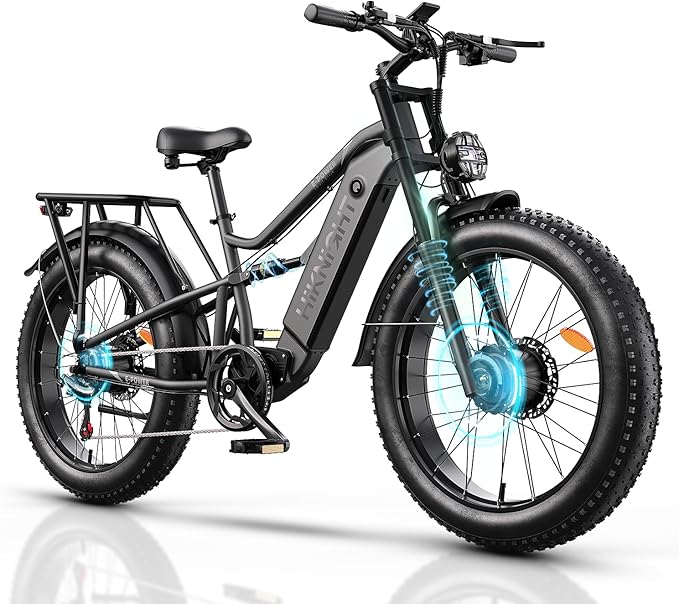
Heybike models deliver the best budget ebikes for seniors, with the Ranger S priced at $1,299 featuring a step-through frame, 55-mile range, and comfortable cruiser geometry. This represents exceptional value compared to premium brands charging $2,000+ for similar features.
The Ranger S uses a 500W brushless motor that peaks at 850W, providing ample power for hills without overwhelming newer riders. Seven-speed Shimano gearing extends range and offers flexibility for varying terrain, from flat bike paths to moderate inclines.
Heybike's attention to senior-friendly details impresses. The saddle uses dual-spring suspension and extra cushioning for longer ride comfort. Swept-back handlebars position grips naturally without wrist strain, and the twist-grip throttle requires minimal hand strength to operate.
Value-packed features include:
- Removable 48V 15Ah battery for convenient charging
- Hydraulic disc brakes for confident stopping power
- Integrated rear rack (50 lb capacity) for groceries or bags
- Front suspension fork smooths rough pavement
- Fenders and chain guard included (usually sold separately)
Customer support stands out in the budget category. Heybike provides responsive email and phone assistance, plus detailed video tutorials for basic maintenance. The one-year warranty covers motor, battery, and electrical components.
What About Cargo E-Bikes for Seniors Who Need Hauling Capacity?
Yuba Cargo bikes excel for seniors who need serious hauling capacity, with models like the Spicy Curry supporting 440 lbs total weight including rider and cargo. These aren't typical ebikes—they're mobility solutions for grocery shopping, pet transport, or carrying grandchildren.
Yuba pioneered the longtail cargo bike design over 20 years ago. Their electric models maintain low standover height despite extended frames, using clever geometry that keeps center of gravity stable even when fully loaded.
The Bosch motor system provides smooth, powerful assistance up to 20 mph (Class 1). Four pedal assist modes let you conserve battery on flat routes or engage full power for hills with heavy loads. Range exceeds 50 miles in eco mode, sufficient for multiple shopping trips between charges.
Cargo-specific advantages for seniors:
- Wide rear deck accommodates two child seats or large bags
- Running boards let grandkids ride along safely
- Clubhouse+ accessories include weatherproof bags and pet carriers
- Dual-leg kickstand prevents tipping when loading
- Optional electric-assist helps with parking and maneuvering
The upright position and adjustable cockpit accommodate riders from 5'0" to 6'4". Yuba includes a suspension seatpost as standard equipment, crucial for comfort when the bike is loaded with cargo that might amplify road bumps.
How Important Are Throttle Controls for Senior Riders?
Throttle controls provide critical backup power for senior riders, allowing forward motion without pedaling during fatigue, unexpected exertion, or when starting from stops. Class 2 ebikes with throttles offer more flexibility than pedal-assist-only Class 1 models.
The throttle functions like a motorcycle twist grip or thumb lever. Simply engage it to receive motor power up to 20 mph without any pedaling requirement. This proves invaluable when crossing busy intersections, navigating parking lots, or dealing with sudden muscle cramps.
Medical considerations support throttle availability. Riders with arthritis, knee replacements, or cardiovascular concerns benefit from the option to reduce pedaling intensity mid-ride. The psychological comfort of knowing you can rest while maintaining momentum encourages longer, more adventurous rides.
Practical throttle use cases for seniors:
- Starting from complete stops at traffic lights
- Navigating crowded areas where balance matters more than exercise
- Temporary relief during muscle fatigue or joint pain
- Emergency situations requiring quick speed without physical exertion
- Walking the bike up steep driveways using walk-assist throttle mode
Some communities restrict Class 2 ebikes on certain bike paths. Check local regulations before purchasing. Most urban and suburban areas welcome throttle-equipped bikes on roads and multi-use trails without restrictions.
What Safety Features Should Seniors Prioritize?
Reliable braking systems top the safety priority list for senior ebike riders, with hydraulic disc brakes providing superior stopping power compared to mechanical discs or rim brakes. Quality hydraulic systems require less hand strength while delivering consistent performance in wet conditions.
Integrated lighting dramatically improves visibility and safety. Look for models with built-in front and rear lights powered by the main battery. This ensures you're never caught without illumination and eliminates battery management for separate light systems.
Tire width and tread affect stability significantly. Wider tires (2.0-2.4 inches) with moderate tread provide better traction on varied surfaces compared to narrow road bike tires. Puncture-resistant layers reduce flat tire incidents that could strand riders far from home.
Additional safety considerations:
- Bright frame colors or reflective decals for daytime visibility
- Bell or horn for alerting pedestrians and vehicles
- Side mirrors to monitor traffic without turning head
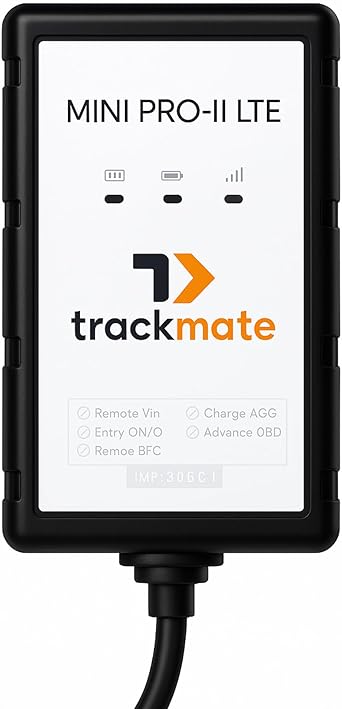
- GPS tracking devices like Tile Pro to recover stolen bikes
- Smartphone mounts like Quad Lock for navigation and emergency contact access
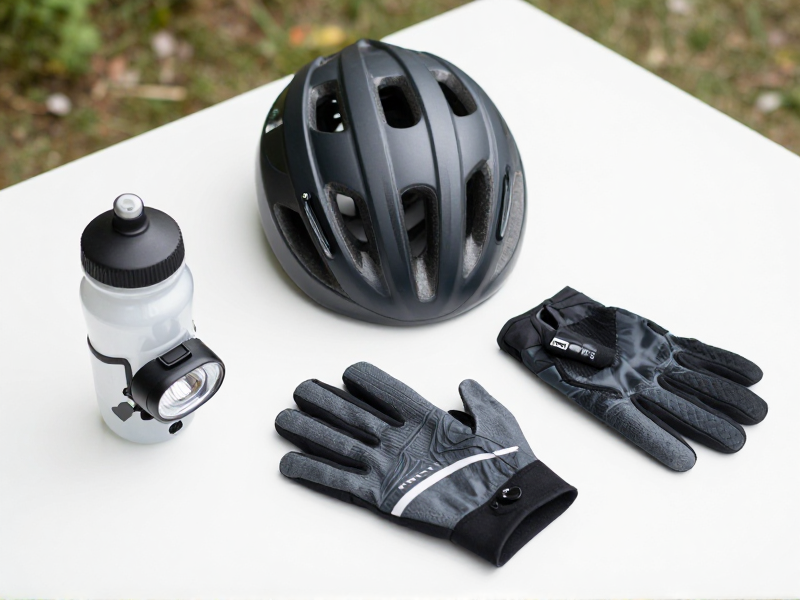
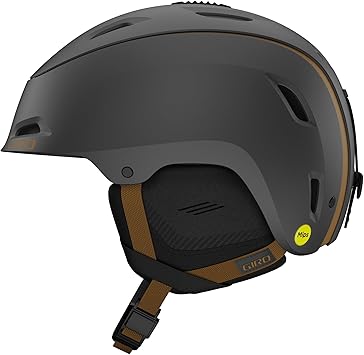
Consider pairing your ebike with quality safety gear. MIPS-equipped helmets like the Giro Syntax MIPS or POC Omne Air MIPS provide superior impact protection. Rear radar systems such as the Garmin Varia RTL515 alert you to approaching vehicles, enhancing awareness on road rides.
How Does Battery Range Affect Senior E-Bike Selection?
Battery range determines ride flexibility and should match your typical distance needs plus 25% buffer capacity. Most senior riders cover 10-20 miles per outing, making 40+ mile rated range ideal to avoid range anxiety and maintain battery health through partial discharge cycles.
Range ratings assume ideal conditions—flat terrain, moderate assist, rider weight around 170 lbs, and no wind. Real-world range typically runs 20-30% lower. A bike rated for 50 miles might deliver 35-40 miles in mixed conditions, still comfortable for most senior riding patterns.
Battery capacity is measured in watt-hours (Wh). Minimum recommended capacity for senior riders is 500Wh, with 600-750Wh providing excellent range for longer adventures or hilly terrain. Larger batteries add weight but eliminate range concerns that might otherwise limit exploration.
Battery longevity and maintenance:
- Lithium-ion batteries last 500-1,000 charge cycles (3-5 years typical use)
- Storing at 50-70% charge extends battery lifespan
- Removable batteries simplify charging without moving entire bike
- Cold temperatures temporarily reduce range by 20-40%
- Quality brands like Bosch and Shimano offer replacement batteries
Consider models with removable batteries if you lack ground-floor charging access. Carrying a 6-8 lb battery upstairs proves easier than hoisting a 50+ lb complete ebike. Some riders purchase spare batteries for extended trips, though this adds $400-700 to total investment.
What Maintenance Requirements Should Seniors Expect?
E-bikes require minimal maintenance beyond traditional bicycles, with most senior riders handling basic upkeep independently. Monthly tire pressure checks, brake pad inspections, and chain lubrication cover 80% of preventive maintenance needs.
The electric components—motor, battery, and controller—are sealed units requiring no routine service. Annual professional tune-ups cost $75-150 and include comprehensive system checks, gear adjustments, and brake service. This compares favorably to automobile maintenance costs.
Chain care matters most for longevity. Wipe the chain clean every 100-200 miles using a rag, then apply bicycle-specific lubricant. This five-minute task prevents premature wear on the drivetrain, the most common reason for expensive repairs.
Simple maintenance tasks seniors can handle:
- Checking tire pressure weekly (use floor pump with gauge)
- Inspecting brake pads for wear indicators
- Tightening loose bolts with basic Allen key set
- Cleaning frame and components with mild soap and water
- Monitoring battery charge level and proper storage
Multi-tools like the Topeak Mini 20 Pro handle roadside adjustments and minor repairs. Carrying basic tools reduces helplessness if minor issues arise during rides. Many senior riders report increased confidence simply from knowing they can address simple problems independently.
Which Accessories Enhance Senior E-Bike Experience?
Quality locks protect your investment, with maximum security options like the Kryptonite New York Fahgettaboudit or ABUS Granit X-Plus 540 deterring theft through hardened steel construction. Budget $100-200 for locks—reasonable insurance for a $1,500+ ebike.
Comfort upgrades transform good rides into great ones. Ergon GP1 Comfort Grips reduce hand numbness through wider contact area and ergonomic shape. The Topeak Super Tourist DX Rear Rack adds 55 lb carrying capacity for groceries, picnic supplies, or emergency gear.
Storage solutions matter for practical transportation. The Topeak MTX TrunkBag DXP expands from compact to large capacity, perfect for shopping trips. Waterproof options like Rhinowalk Panniers protect belongings in unexpected rain.
Essential accessories for senior riders:
- Premium lighting: NiteRider Lumina 1200 or Bontrager Ion Pro RT
- MIPS safety helmets sized for older adult head shapes
- Padded cycling gloves with gel inserts for vibration dampening
- Rearview mirrors for traffic awareness without head turning
- Water bottle cages and insulated bottles for hydration
Consider a quality U-lock plus cable combination. Use the U-lock for the frame and rear wheel, cable for the front wheel and accessories. This layered approach defeats casual thieves while remaining manageable for seniors to use consistently.
How Do You Choose Between Class 1, Class 2, and Class 3 E-Bikes?
Class 2 ebikes offer the best balance for most senior riders, combining pedal-assist up to 20 mph with throttle-only operation. This versatility accommodates varying energy levels and physical capabilities without the higher speeds of Class 3 models.
Class 1 bikes provide pedal-assist only (no throttle) up to 20 mph. They're permitted on most bike paths and trails, making them ideal for seniors who ride primarily on protected routes. The lack of throttle encourages pedaling, beneficial for maintaining fitness and leg strength.
Class 3 ebikes assist up to 28 mph, appropriate for experienced cyclists comfortable with higher speeds. Most seniors find 20 mph sufficient for safe, enjoyable riding. The extra speed rarely justifies restricted trail access and increased fall risk if control is lost.
Decision factors by riding style:
- Mostly bike paths and trails: Class 1 (widest access, lighter weight)
- Mixed road and path riding: Class 2 (throttle flexibility, 20 mph adequate)
- Experienced cyclists wanting faster commutes: Class 3 (road-focused riding)
- Riders with physical limitations: Class 2 (throttle backup essential)
State and local regulations vary. Some areas restrict Class 2 and 3 bikes from certain paths. Research your region's rules before purchasing. Most recreational trails welcome Class 1 and 2 bikes, while Class 3 bikes face more restrictions despite being legal on roads.
What Should You Test Before Buying a Senior E-Bike?
Test rides reveal critical fit and comfort issues impossible to assess through specifications alone. Plan 20-30 minute rides testing various assist levels, starting/stopping, and turning maneuvers. Brief parking lot circles don't expose potential problems.
Mounting and dismounting deserves specific attention. Practice starting from a complete stop, ensuring you can comfortably place both feet flat on the ground while seated. The saddle height should allow slight knee bend at full pedal extension without requiring tip-toe balancing when stopped.
Handlebar reach and grip comfort affect long-ride enjoyment significantly. Your arms should be slightly bent, not locked straight or cramped close to your body. Test brake lever reach—you should engage brakes using only two fingers without straining your grip or wrist position.
Critical evaluation points during test rides:
- Weight and balance when walking the bike
- Throttle responsiveness and smoothness (if equipped)
- Display readability in bright sunlight
- Shifting precision through all gears
- Brake feel and stopping power from 15+ mph
- Seat comfort after 15+ minutes of riding
Bring any accessories you'll use regularly—backpacks, panniers, or water bottles—to verify clearance and weight handling. Some bikes handle dramatically different when loaded versus unloaded. Test hills if possible, as motor performance under load varies significantly between models.
Are Folding E-Bikes Suitable for Senior Riders?
Folding ebikes serve specific senior needs excellently but aren't optimal as primary bikes for most older riders. Models like those from Heybike and Engwe fold to compact sizes perfect for RV travel, apartment storage, or multi-modal commuting combining bikes with transit or cars.
The folding mechanism adds weight and complexity compared to fixed-frame designs. Most folding ebikes weigh 50-70 lbs, challenging for seniors to lift into vehicles or carry upstairs. However, the ability to store in small spaces or transport in car trunks offers tremendous value for active seniors who travel frequently.
Ride quality typically sacrifices to folding functionality. Smaller 16-20 inch wheels feel less stable than standard 26-27.5 inch wheels, and the joints required for folding can introduce slight flex that experienced riders notice. For short trips and casual riding, these compromises prove acceptable.
Folding ebike advantages for seniors:
- Store in apartment closets, RV storage bays, or boat cabins
- Transport in cars without external racks
- Take on trains, buses, or ferries that allow folded bikes
- Move between seasonal residences easily
- Reduce theft risk through indoor storage
Choose folding models from established brands with strong reviews. Budget folders under $800 often use lower-quality components that require frequent adjustment. Investing $1,200-1,600 ensures reliable performance and adequate customer support when questions arise.
Comparison Table: Top E-Bikes for Seniors
| Model | Price | Range | Weight | Frame Type | Class | Best For |
|---|---|---|---|---|---|---|
| Velotric Discover 1 | $1,399 | 40 mi | 52 lbs | Step-through | 2 | Overall value |
| Heybike Ranger S | $1,299 | 55 mi | 58 lbs | Step-through | 2 | Budget buyers |
| Ride1Up 700 Series | $1,695 | 50 mi | 56 lbs | Step-through | 3 | Speed seekers |
| Yuba Spicy Curry | $4,999 | 50 mi | 70 lbs | Longtail cargo | 1 | Cargo hauling |
| Engwe M20 | $1,199 | 48 mi | 68 lbs | Folding | 2 | RV/travel use |
Check current prices: Velotric Discover 1 · Heybike · Yuba Cargo · Tile Pro · Quad Lock · Giro Syntax MIPS · POC Omne Air MIPS · Garmin Varia RTL515
This comparison reflects mid-2026 pricing and specifications. Range figures assume eco-mode riding at 150 lb rider weight on flat terrain. Your actual range will vary based on assist level, rider weight, terrain, and weather conditions.
Frequently Asked Questions
What Is the Best E-Bike for a 70-Year-Old?
The best ebike for a 70-year-old prioritizes easy mounting, comfortable upright position, and reliable safety features like the Velotric Discover 1 or Heybike Ranger S. Both offer step-through frames with low standover height under 18 inches, allowing riders to mount without flexibility challenges.
Look for bikes with Class 2 throttle capability, providing backup power when pedaling becomes tiring. Adjustable components let you dial in proper fit, critical for riders who may have limited range of motion or previous injuries affecting riding position.
Can Seniors Ride E-Bikes Safely?
Seniors can ride ebikes safely when choosing appropriate models and following basic precautions. Ebikes actually improve safety for older riders by providing power assistance for hills, reducing exhaustion that impairs judgment and reaction time.
Start with lower assist levels while building confidence and skills. Take a bike safety course specifically for ebikes—many communities offer classes addressing the unique characteristics of electric-assisted riding. Always wear a properly fitted MIPS helmet and use lights even during daytime rides.
How Much Should I Spend on a Senior E-Bike?
Budget $1,200-2,000 for quality senior-friendly ebikes from established brands with reliable customer support. This price range delivers proven components, adequate warranties, and features specifically beneficial for older riders like step-through frames and comfortable geometry.
Bikes under $1,000 often compromise on battery capacity, motor quality, or customer service. Bikes over $2,500 include premium features like mid-drive motors and integrated electronics that exceed most senior riders' needs. The $1,200-2,000 sweet spot balances quality, features, and value effectively.
Do I Need Insurance for My E-Bike?
Homeowners or renters insurance often covers ebikes up to policy limits, typically $1,000-2,500. Contact your insurance provider to verify coverage and consider a rider policy for bikes exceeding standard limits.
Specialized ebike insurance costs $100-200 annually and covers theft, damage, liability, and medical expenses. This proves worthwhile for premium bikes over $2,500 or for riders planning significant road riding where vehicle interactions increase liability risk.
What Is the Best E-Bike Lock for Seniors?
Kryptonite locks offer the best security-to-usability ratio for senior ebike owners. The Kryptonite Evolution or New York series provide Sold Secure Gold or Diamond ratings, meaning they resist common theft tools effectively.
Choose U-locks over cable locks for primary security. U-locks weigh more but defeat bolt cutters and leverage attacks that destroy cables in seconds. For seniors concerned about lock weight, the Kryptonite Evolution Mini weighs just 3.5 lbs while providing excellent security for the frame and rear wheel.
Conclusion: Choosing Your Perfect Senior E-Bike
The best ebikes for seniors combine accessibility, comfort, and reliability without overwhelming complexity. Step-through frames, upright riding positions, and thoughtful features like throttles and adjustable components transform cycling from challenging exercise into joyful transportation and recreation.
Start your selection by identifying primary use cases—recreational riding, errands, or fitness. This determines appropriate range, cargo capacity, and performance characteristics. Test ride multiple models focusing on comfort and confidence rather than specifications alone.
Quality models from Velotric, Heybike, and Ride1Up deliver exceptional value between $1,200-1,700. These established brands provide responsive customer service and reliable components that minimize frustration and maintenance hassles.
Ready to rediscover the freedom and joy of cycling? Explore our detailed reviews of specific models, browse essential accessories like quality locks and comfort upgrades, and join thousands of seniors experiencing renewed independence through electric bikes.
Your perfect senior ebike awaits—one that matches your abilities, supports your goals, and opens new adventures for years to come.
Affiliate Disclosure
Discussion
Sign in with GitHub to leave a comment. Your replies are stored on this site's public discussion board.