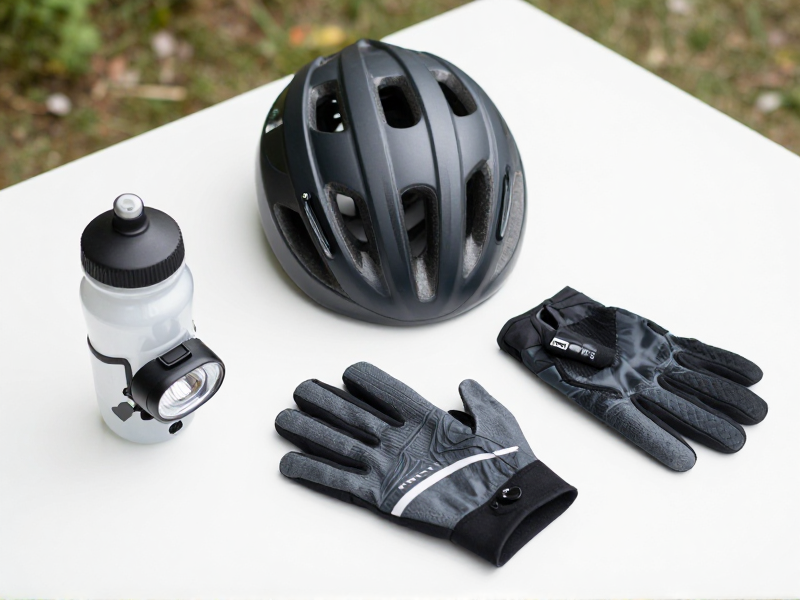
E-Bike Winter Riding Gear Guide: Stay Warm and Safe
Disclosure: This article contains affiliate links. If you purchase through our links, we may earn a commission at no extra cost to you. We only recommend gear we've tested or thoroughly researched. --- E-Bike Winter R
Disclosure: This article contains affiliate links. If you purchase through our links, we may earn a commission at no extra cost to you. We only recommend gear we've tested or thoroughly researched.
Free: Ultimate eBike Buying Guide
Avoid the 4 most expensive eBike mistakes
Winter doesn't have to end your e-bike season. With the right e-bike winter gear, you can ride comfortably in temperatures well below freezing — and year-round cyclists are more likely to stick with cycling long-term. The key is preparation, not toughness.
Electric bikes actually perform differently in cold weather. Battery range can drop 20–40% in temperatures below 40°F (4°C), meaning your 40-mile summer commute might shrink to 25 miles on a cold January morning. Knowing this ahead of time — and gearing up accordingly — is what separates confident winter riders from frozen regrets.
Free Download
Ultimate eBike Buying Guide
Avoid the 4 most expensive eBike mistakes
Instant download. No spam. Unsubscribe anytime.
This guide covers every layer of winter cycling gear you need, from head to toe, plus essential accessories to keep your e-bike safe, visible, and performing its best. Whether you're a daily commuter or a weekend trail rider, this is your proven playbook for cold-weather eBike riding.
Key Takeaways
- E-bike battery range drops 20–40% in temperatures below 40°F — plan shorter routes or carry a charger.
- Layering with a moisture-wicking base, insulating mid-layer, and windproof outer shell is the verified formula for warmth.
- High-visibility lighting is critical in winter: shorter daylight hours mean more riding in the dark.
- Hands and feet lose heat fastest — waterproof gloves and insulated shoe covers are non-negotiable gear.
- A quality U-lock or chain lock paired with a GPS tracker dramatically reduces theft risk during winter stops.
- Slowing down by 10–15% on wet or icy roads is the single most effective winter safety adjustment.
How Does Cold Weather Affect Your E-Bike?
Cold weather reduces lithium-ion battery performance significantly — expect 20–40% less range below 40°F. The chemical reactions inside the battery slow down in the cold, reducing the energy it can deliver per charge. This is a physics problem, not a manufacturing defect.
What you can do:
- Store your battery indoors overnight and install it just before riding.
- Pre-warm your battery by keeping the e-bike in a heated space for 30 minutes before departure.
- Use lower assist levels to conserve energy, especially on the first few miles while the battery warms up.
- Expect your display readings to be less accurate in the cold — trust your route planning over the range estimate.
Brands like Ride1Up and Velotric design their batteries with thermal management in mind, but no e-bike is fully immune to cold-weather range loss. Plan conservatively.
What's the Best Layering System for Winter E-Bike Riding?
The best layering system for e-bike winter riding uses three layers: a moisture-wicking base layer, an insulating mid-layer, and a windproof, water-resistant outer shell. This system traps warm air while venting sweat generated by pedaling effort.
Unlike traditional winter cycling, e-bike riders pedal less intensely — meaning you generate less body heat. This makes proper insulation even more important than for regular cyclists.
Base Layer: Moisture Management
Your base layer must pull sweat away from skin. Merino wool (150–200 gsm) is the gold standard — it regulates temperature, resists odor, and stays warm even when damp. Synthetic options like Polartec Power Dry work well at a lower price point.
Avoid cotton entirely. Cotton absorbs moisture and loses all insulating properties when wet, creating a dangerous chilling effect.
Mid Layer: Insulation
A fleece jacket or insulated vest traps warm air against your body. Look for a cycling-specific cut — standard hiking fleece bunches uncomfortably in a riding position. A 200-weight fleece handles temperatures from 25–45°F effectively.
Outer Shell: Wind and Water Protection
Your outer layer needs to block wind and resist rain without trapping heat. Look for jackets with:
- A windproof front panel and breathable back
- Pit-zip vents for temperature control
- Bright or reflective panels for visibility
- A longer rear hem to cover your lower back while riding
What Winter Cycling Gloves Work Best for E-Bike Riders?
The best winter cycling gloves for e-bike riders are waterproof, touchscreen-compatible gloves with a windproof shell and fleece lining — rated for temperatures down to 20°F. Hands are the first body part to lose dexterity in the cold, and numb fingers make it impossible to operate your e-bike's controls safely.
Look for gloves with:
- Touchscreen fingertips — to operate your phone mount display without removing them
- Lobster-claw or mitten-over-glove design — proven to retain significantly more heat than five-finger gloves
- A gauntlet cuff — seals against your jacket sleeve to block wind
Pair your gloves with a Quad Lock Phone Mount so you can check navigation without fumbling with your phone in the cold. The vibration-dampening mount also protects your phone's camera from cold-induced sensor damage.
How Should You Protect Your Feet in Cold Weather?
Protect your feet with waterproof shoe covers (neoprene or Gore-Tex) over cycling shoes, or switch to waterproof winter boots rated to at least 15°F. Feet lose heat rapidly on an e-bike because you're not generating as much pedaling power as on a conventional bike.
Recommended approach by temperature:
| Temperature | Footwear Solution |
|---|---|
| 40–55°F | Thin neoprene shoe covers |
| 25–40°F | Thick neoprene or Gore-Tex covers |
| Below 25°F | Insulated winter cycling boots |
Check current prices: Ride1Up · Velotric · Quad Lock Phone Mount · POC Omne Air MIPS Helmet · Giro Syntax MIPS Helmet · NiteRider Lumina 1200 Boost · Bontrager Ion Pro RT · Garmin Varia RTL515
Wool socks (Merino, 200–300 gsm) outperform synthetic in moisture management and warmth retention. Avoid doubling up on socks — it restricts circulation and accelerates heat loss.
What Helmet Should You Wear for Winter E-Bike Riding?
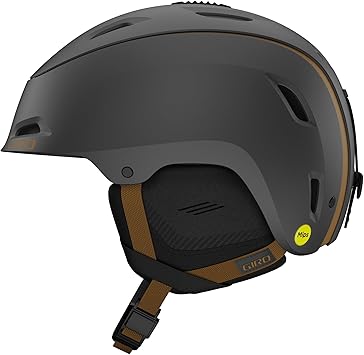
The best winter e-bike helmet is a MIPS-equipped urban helmet with vents you can cover in cold weather, worn over a thin thermal skull cap. Safety standards don't change in winter — MIPS protection remains critical regardless of temperature.
The POC Omne Air MIPS Helmet is a top-rated choice with 360-degree MIPS protection and a sleek low-profile design that works with a base cap underneath. The Giro Syntax MIPS Helmet is an excellent urban alternative with a more traditional fit and integrated MIPS liner.
Winter helmet tips:
- Wear a thin Merino wool or fleece skull cap under your helmet for added warmth without compromising fit.
- Cover exposed ears with a helmet-compatible ear cover or cycling balaclava.
- Never compromise on helmet fit — a loose helmet is dangerous at any temperature.
Why Is Lighting Even More Critical in Winter?
Lighting is more critical in winter because daylight hours are significantly shorter — in northern cities, sunset can occur before 4:30 PM. Most commuters ride in complete darkness at least part of the year. This makes powerful, reliable lighting a safety essential, not an accessory.
Front lighting: The NiteRider Lumina 1200 Boost delivers 1,200 lumens of rechargeable light — bright enough to illuminate unlit paths and be seen from over 500 meters away. The Bontrager Ion Pro RT offers 1,300 lumens with wireless connectivity to sync with rear lights.
Rear lighting: The Garmin Varia RTL515 is the gold standard for rear visibility. Its radar system detects vehicles approaching from up to 153 meters behind you and sends real-time alerts to your bike computer or smartphone — a proven life-saver on dark winter roads.
Riders using rear radar lights can experience fewer close-passing incidents by getting an alert to adjust their position proactively.
How Do You Keep Your E-Bike Secure in Winter Conditions?
Secure your e-bike in winter with a combination of a high-rated U-lock and a GPS tracker — theft rates don't drop in winter, and icy conditions make chasing a thief impossible. Use two locking points (frame + wheel) and always lock to a fixed, immovable structure.
Top security picks:
- Kryptonite New York Fahgettaboudit Chain Lock — Sold Secure Diamond rating, the highest available. Virtually undefeatable by bolt cutters.
- ABUS Granit X-Plus 540 U-Lock — Top-rated German engineering with maximum security classification. Compact enough to carry in a bag.
- Tile Pro GPS Tracker — Hide one inside your frame bag or under your saddle. If stolen, you can track your bike's location via the Tile network.
In winter, always lock in a covered or visible area. Thieves exploit poor-visibility conditions. A U-lock combined with a chain lock takes approximately 10 minutes to defeat — long enough to deter the vast majority of opportunistic theft.
What Bags and Storage Work Best for Winter Commuting?
The best storage for winter e-bike commuting combines a waterproof rear rack bag with waterproof panniers — keeping your gear dry regardless of rain, sleet, or snow. Backpacks increase upper body sweat and reduce mobility in bulky winter layers.
- Topeak Super Tourist DX Rear Rack — Supports up to 55 lbs, compatible with most e-bike frames, and provides a stable base for panniers.
- Rhinowalk Waterproof Pannier Set — 27L total capacity with IP67-rated waterproofing. Budget-friendly and proven across thousands of commuter reviews.
- Topeak MTX TrunkBag DXP — Expandable trunk bag with fold-out panniers for days when you need extra capacity.
Carry your spare gloves and a packable rain jacket in a dry bag inside one pannier. Always have a backup layer accessible — conditions can change rapidly in winter.
What Are the Essential Tools for Winter Roadside Repairs?
Every winter rider should carry a Topeak Mini 20 Pro Multi-Tool with a chain breaker, along with a CO2 inflator or mini pump and two spare inner tubes. Cold weather makes tires more susceptible to pinch flats — lower tire pressure in freezing temps requires more frequent checks.
Winter roadside kit checklist:
- Multi-tool with hex keys and screwdrivers
- 2x spare inner tubes (correct size for your e-bike)
- CO2 inflator + 2 cartridges, or mini pump
- Tire levers (plastic, not metal — gentler on rims)
- Nitrile gloves (for handling greasy chain in cold)
- Small flashlight or headlamp (repairs often happen in darkness)
Cold hands make repairs significantly harder. Nitrile gloves let you handle tools without exposing bare skin to icy metal components.
How Do You Ride Safely on Wet and Icy Roads?
Ride safely on wet and icy roads by reducing your speed by 10–15%, increasing following distance to at least 3 seconds, and braking earlier and more gently than you would in dry conditions. E-bikes are heavier than conventional bikes — typically 45–70 lbs — which means longer stopping distances.
Proven winter riding adjustments:
- Tire pressure: Lower by 5–10 PSI for better road contact and grip.
- Tire choice: Studded tires (e.g., Schwalbe Marathon Winter) dramatically improve traction on ice.
- Braking: Use both brakes simultaneously but gradually — avoid locking the rear wheel.
- Cornering: Lean less aggressively and enter corners at lower speeds.
- Wet paint and metal grates: These become extremely slippery in rain — cross them straight-on, never at an angle.
Cargo e-bikes like those from Yuba Cargo Bikes have a lower center of gravity, which can actually improve stability in slippery conditions compared to traditional upright eBikes.
Winter E-Bike Gear: Quick Comparison
| Gear Category | Budget Pick | Premium Pick | Key Feature |
|---|---|---|---|
| Helmet | Giro Syntax MIPS | POC Omne Air MIPS | MIPS protection |
| Front Light | NiteRider Lumina 1200 | Bontrager Ion Pro RT | 1200–1300 lumens |
| Rear Light | Standard blinker | Garmin Varia RTL515 | Radar vehicle detection |
| U-Lock | Kryptonite standard | ABUS Granit X-Plus | Max security rating |
| Chain Lock | — | Kryptonite NY Fahgettaboudit | Diamond-rated security |
| Panniers | Rhinowalk Waterproof Set | Ortlieb Back-Roller | IP67 waterproofing |
| Grips | Standard foam | Ergon GP1 Grips | Reduces hand fatigue |
Frequently Asked Questions
Can you ride an e-bike in snow?
Yes, you can ride an e-bike in light snow with the right tires and gear. Studded tires provide the best traction on packed snow and ice. Avoid riding in heavy snowfall or on black ice — the stopping distance of a 60-lb e-bike on ice is significantly longer than a conventional bicycle.
How do I protect my e-bike battery in winter?
Store the battery indoors at room temperature when not riding. Cold batteries charge less efficiently and lose capacity faster. Never charge a battery that has been below freezing — let it warm to room temperature first to avoid permanent cell damage.
Do I need special tires for winter e-bike riding?
Wider tires (2.0"+) run at lower pressure provide better grip on wet roads without studding. For icy conditions, studded tires like the Schwalbe Marathon Winter or Continental Contact Spike are proven solutions. Avoid tires under 1.75" width in winter conditions.
How do I keep my e-bike clean in winter?
Rinse your e-bike with low-pressure water after every salty or muddy ride. Focus on the chain, cassette, and brake components. Apply fresh chain lube (wet lube in winter) after drying. Avoid high-pressure jet washing — it can force water into sealed bearings and motor housings.
What temperature is too cold to ride an e-bike?
Most e-bike manufacturers recommend avoiding riding below 14°F (-10°C). Below this threshold, battery performance degrades severely, LCD displays may fail, and brake cable housing stiffens. Lithium-ion batteries can also sustain permanent damage if discharged at very low temperatures.
Conclusion: Gear Up and Keep Riding
Winter e-bike riding isn't just possible — it's genuinely enjoyable with the right preparation. The riders who stay on their bikes year-round are the ones who invest in verified, proven gear: proper layering, high-lumen lighting, maximum-security locks, and waterproof storage.
Start with the essentials: a MIPS helmet like the POC Omne Air MIPS, a powerful front light like the NiteRider Lumina 1200, and a smart rear radar like the Garmin Varia RTL515. Add a Kryptonite Fahgettaboudit Chain Lock and a Tile Pro GPS Tracker for security, and weatherproof your storage with Rhinowalk Waterproof Panniers.
Don't let winter steal your miles. Gear up, slow down slightly, and keep riding.
What's your biggest winter riding challenge? Drop it in the comments — our community of over 10,000 e-bike riders has probably solved it already.
Affiliate Disclosure
Discussion
Sign in with GitHub to leave a comment. Your replies are stored on this site's public discussion board.