UL 2849 and E-Bike Tariffs: What's Changing for Buyers in 2026
New battery-certification mandates and shifting tariffs are reshaping the e-bike market in 2026. Here's what UL 2849, state laws like California's SB 1271, and import tariffs mean for what you can buy — and how to shop smart.
Disclosure: Some links are affiliate links; we may earn a commission at no extra cost to you.
If you are shopping for an electric bike in 2026, the rules have shifted under your feet. Two forces — mandatory battery-safety certification and volatile import tariffs — are reshaping which bikes are available, what they cost, and what is legal to ride. This buyer-focused guide explains what UL 2849 certification means, how new state laws affect you, where tariffs stand as of early 2026, and how to shop without getting burned (sometimes literally). This is the practical buyer's angle; for the legal specifics of where you can ride, see our e-bike laws by state guide.
Free: Ultimate eBike Buying Guide
Avoid the 4 most expensive eBike mistakes
What Is UL 2849, and Why It Suddenly Matters
UL 2849 is a safety standard that covers an e-bike's entire electrical system — the battery, charger, motor, and controller working together — not just the cells in isolation. To earn certification, a bike's electrical drivetrain must pass rigorous third-party testing designed to prevent the thermal-runaway fires that have made headlines in recent years.
Free Download
Ultimate eBike Buying Guide
Avoid the 4 most expensive eBike mistakes
Instant download. No spam. Unsubscribe anytime.
For most of the past decade, UL 2849 was voluntary. As of 2026, that has changed dramatically: certification has become effectively mandatory in major markets, and the label has moved from a nice-to-have to a baseline requirement many buyers now insist on. Industry reporting indicates UL-certified models now account for the large majority of purchases.
The New Legal Landscape
Several developments have pushed certification into law:
- California SB 1271 requires e-bike batteries sold in the state to be certified to UL 2849 (or an equivalent standard). New batteries sold after the law's effective date must comply.
- New York City and New York State have enacted some of the strictest requirements in the country, mandating certified batteries and chargers.
- Equivalent standards such as EN 15194 are generally accepted alongside UL 2849, giving manufacturers more than one path to compliance.
The practical effect for buyers: major marketplaces including Amazon and Walmart have tightened their listing requirements, pulling many uncertified e-bikes. Budget manufacturers have had to either invest in certification or exit the U.S. market. That is good news for safety, but it has thinned out some of the cheapest options.
Note: certification mandates and effective dates vary by state and continue to evolve. Confirm the current requirements where you live before purchasing, especially if buying secondhand.
Where Tariffs Stand in Early 2026
The other major force on e-bike prices is trade policy, and it has been turbulent. As of early 2026, here is the picture based on recent reporting:
- Complete e-bike tariffs have moved around significantly, with rates reported in the range of roughly 45–55% after various adjustments and negotiations.
- The courts have reshaped the picture. In early 2026 the U.S. Supreme Court struck down a separate set of tariffs imposed under emergency (IEEPA) authority, but it later declined to disturb the long-standing Section 301 tariffs (around 25%) on many Chinese imports — so the China-specific Section 301 duties that hit most e-bikes and components remain in force.
- Lithium-ion battery tariffs have been a particular pressure point, with Section 301 rates on Chinese-made batteries reported to be rising from 7.5% toward 25%. Because the battery is one of the most expensive components in any e-bike, increases here flow straight through to sticker prices.
Earlier rounds of tariff increases were associated with price jumps of roughly $200 on some models. The takeaway for buyers: tariff policy is volatile and these figures can change quickly, so treat any specific rate as a snapshot rather than a permanent fact.
What This Means for Your Wallet
Combine mandatory certification with elevated tariffs and you get a market where:
- Rock-bottom uncertified bikes are disappearing. The sub-$600 no-name e-bike is increasingly hard to find from major retailers, and what remains may not be legal in your state.
- Certified bikes carry a modest premium — but it buys independently tested safety and legal peace of mind.
- Prices can move with trade headlines. If you see a good price on a certified bike you want, waiting for a lower one is a gamble given tariff volatility.
Certified Examples at a Glance
To make the standard concrete, here are two mainstream, UL 2849-certified models that publish their certification status — useful reference points for what a compliant 2026 e-bike looks like across two very different categories.
| Model | Category | Certification | Approx. Price | Best For |
|---|---|---|---|---|
| Heybike Hauler | Cargo / family hauler | UL 2849 (system) | ~$1,499 | Carrying kids, groceries, or a passenger |
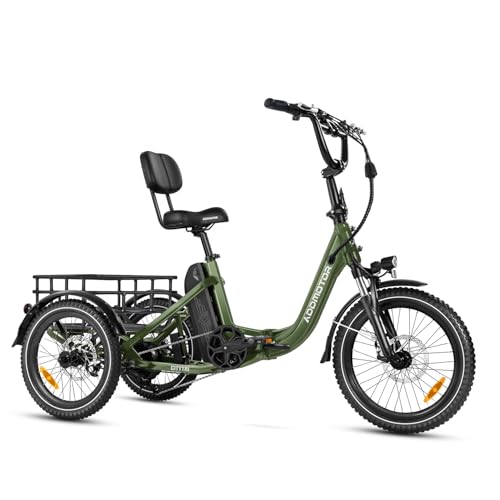
| Addmotor Citytri E-310 | Electric trike | UL 2849 (system) | ~$1,799 | Stable three-wheel riding with long range |
Check current prices: Heybike Hauler · Addmotor Citytri E-310
Both are examples, not the only compliant choices — but each shows the kind of clearly stated, system-level certification you should look for before you buy.
How to Shop Smart in 2026
- Look for the UL 2849 label, not just "UL cells." A bike marketed with UL-listed cells is not the same as a bike certified to UL 2849 as a complete system. Confirm the system-level certification.
- Confirm legality in your state. California, New York, and a growing list of jurisdictions have specific battery-certification rules. Check before you buy, particularly for used bikes.
- Favor reputable brands with stated certification. Models like the UL 2849-certified Heybike Hauler cargo bike and the UL 2849-certified Addmotor Citytri E-310 trike are examples of mainstream options that publish their certification status.
- Budget for the battery's lifespan. With battery tariffs elevated, replacement packs are pricier. Buying a certified, well-supported brand makes it likelier you can source a safe replacement later.
- Don't chase the absolute cheapest. In 2026, an unusually low price is a red flag for an uncertified or soon-to-be-non-compliant product.
For more on why certification matters from a safety standpoint, our e-bike battery fire recall guide covers the incidents driving these rules.
Frequently Asked Questions
Is UL 2849 certification legally required to buy an e-bike in 2026? It depends on your state. In jurisdictions like California (SB 1271) and New York, certified batteries are required, and major retailers have tightened listings nationwide. Other states have not yet mandated it, but certification is rapidly becoming the de facto standard everywhere. Always verify your local rules before purchasing.
Will e-bike prices go up or down because of tariffs in 2026? Tariff policy has been highly volatile. In early 2026 a separate set of emergency (IEEPA) tariffs was struck down in court, but the China-specific Section 301 tariffs were left in place, and battery-specific Section 301 rates rose at the start of 2026 (adding pressure). Net direction can still shift with further court rulings and trade negotiations, so prices may move on short notice.
Can I still ride my older, uncertified e-bike? Generally, existing bikes are not retroactively banned, but rules vary and some buildings, insurers, and jurisdictions restrict uncertified batteries. If you own an older bike, check your local regulations and consider whether your battery and charger meet current safety expectations.
The Bottom Line
In 2026, buying an e-bike means thinking about more than range and motor wattage. UL 2849 certification has gone from optional to expected — and in states like California and New York, required — while tariffs keep pricing in flux. The smart move is to buy a certified bike from a reputable brand, confirm it is legal where you live, and act when you find a fair price rather than gambling on a volatile market. Safety certification and a clear paper trail are now as important as the spec sheet.
Affiliate Disclosure
Discussion
Sign in with GitHub to leave a comment. Your replies are stored on this site's public discussion board.