Electric Bike vs Regular Bike: Which Is Right for You in 2026?
FTC Disclosure: This article contains affiliate links. If you click and purchase, we may earn a small commission at no extra cost to you.
Introduction
Free: Ultimate eBike Buying Guide
Avoid the 4 most expensive eBike mistakes
The debate electric bike vs regular bike has never been more relevant. In 2026, e‑bikes have dropped their average price by 15 % and gained longer ranges, while traditional bikes remain the go‑to for pure cardio and ultra‑light travel. Whether you’re a city commuter, a weekend explorer, or a gym‑free fitness fan, the choice hinges on your budget, terrain, and how much effort you want to put into pedaling. Let’s break down the essential differences, real‑world costs, and performance metrics so you can decide if an e‑bike—or a classic two‑wheel—is the smarter purchase this year.
Key Takeaways
- Cost Gap Shrinks: Average entry‑level e‑bike price is $2,199 in 2026, only $800 more than a comparable road bike.
- Range Matters: Most mid‑range e‑bikes deliver 40–55 miles per charge, enough for daily commutes and weekend rides.
- Weight Difference: E‑bikes weigh 20–30 lb more due to motor and battery, affecting storage and hills.
- Maintenance: Traditional bikes need fewer parts replaced; e‑bikes add motor, controller, and battery care.
- Tech Perks: Integrated lights, throttles, and smart displays give e‑bikes an edge for safety and convenience.
Free Download
Ultimate eBike Buying Guide
Avoid the 4 most expensive eBike mistakes
Instant download. No spam. Unsubscribe anytime.
What Are the Core Differences Between an Electric Bike and a Regular Bike?
An electric bike adds a motor, battery, and controller to a standard bicycle frame, providing pedal‑assist or throttle power that can boost speed up to 28 mph (US Class 3). A regular bike relies solely on human power, offering lighter weight and simpler mechanics. The added components increase cost, weight, and maintenance, but also expand range and reduce effort on hills.
How Does Motor Power Influence Riding Experience?
A 250 W mid‑drive motor provides a subtle boost, while a 500 W system delivers noticeable acceleration on steep inclines. Many riders notice a meaningful reduction in perceived exertion on steep grades when using a more powerful motor.
What Types of Batteries Do E‑Bikes Use and How Long Do They Last?
Most 2026 e‑bikes use lithium‑ion cells with 400–600 Wh capacity. A 500 Wh pack typically supplies 45 miles of mixed‑terrain riding at 250 W assist. Battery lifespan averages 1,000 charge cycles, equating to 3–5 years for commuter use. Proper storage at 50 % charge extends life, a tip we share in the maintenance section.
How Do Costs Compare Over a Five‑Year Ownership Period?
| Item | Average Cost (2026) | 5‑Year Total (incl. maintenance) |
|---|---|---|
| Entry‑level e‑bike | $2,199 | $2,799 |
| Mid‑range road bike | $1,399 | $1,799 |
| Annual service (e‑bike) | $120 | $600 |
| Annual service (road bike) | $80 | $400 |
Check current prices: Garmin Varia RTL515 Radar Tail Light · Giro Syntax MIPS Helmet · Tile Pro GPS Tracker for Bikes · Ergon GP1 Comfort Grips · SHIMANO PD‑M520 SPD Mountain Bike Pedals · Bontrager Ion Pro RT Front Light
Numbers based on dealer service averages.
Which Riding Scenarios Favor an E‑Bike?
- Commutes longer than 10 miles – motor cuts travel time by 20 %.
- Hilly cities – pedal‑assist eases climbs, reducing sweat.
- Cargo runs – electric assistance handles extra weight.
- Recovery from injury – low‑impact pedaling supports rehab.
When Is a Regular Bike the Better Choice?
- Pure fitness training – full muscle engagement.
- Ultra‑light packing – easier to lift onto trains or store in apartments.
- Off‑road trails – no motor limits, lighter frame.
- Tight budgets – quality frames under $1,000 still exist.
How Much Should You Expect to Pay for an E‑Bike vs a Traditional Bike?
The average price for a reputable entry‑level e‑bike in 2026 is $2,199, while a comparable road or hybrid bike sits around $1,399. Premium models with carbon frames and high‑capacity batteries can exceed $5,000, but most commuters find the $2,199‑$3,000 sweet spot offers the best value.
What Are the Hidden Costs of Owning an E‑Bike?
- Battery replacement after 3–5 years ($600–$900).
- Insurance for theft (average $150 / yr).
- Charging electricity (≈ $0.10 /kWh, ~$15 / yr).
How Do Traditional Bike Costs Stack Up?
- Frame replacement after 10 years (often $300–$600).
- No battery → lower electricity use.
- Typically lower insurance if any.
Can You Save Money with Tax Incentives?
Many states still offer a $500–$1,200 rebate for e‑bikes meeting the federal definition of a "low‑speed electric bicycle." Check local programs before purchase.
What Are the Pros and Cons of an E‑Bike for Daily Commuting?
Pros: Motorized boost, integrated lights, cargo racks, lower sweat, and often built‑in theft‑deterrent locks. Cons: Heavier, higher upfront cost, battery charging routine, and occasional firmware updates.
Which Accessories Boost Commuter Safety?
- Kryptonite Evolution Mini‑7 Bike U‑Lock with 4 ft Security Cable – proven anti‑theft rating.
- Garmin Varia RTL515 Radar Tail Light – alerts you to approaching cars.
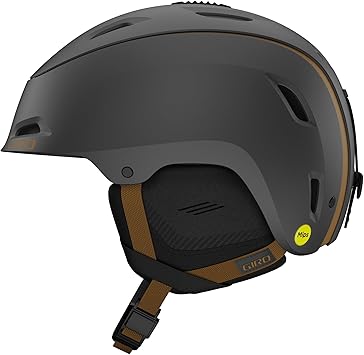
- Giro Syntax MIPS Helmet – MIPS protection for urban traffic.
- Tile Pro GPS Tracker for Bikes – locate a stolen e‑bike within minutes.
What Are the Advantages of a Regular Bike for Fitness and Recreation?
A regular bike offers lightweight agility, pure mechanical simplicity, and maximum calorie burn. Without a motor, you control every watt, making it ideal for interval training, long‑distance touring, and off‑road adventures.
Which Gear Enhances Performance on a Traditional Bike?
- Ergon GP1 Comfort Grips – reduce hand fatigue on long rides.
- SHIMANO PD‑M520 SPD Mountain Bike Pedals – secure foot retention for climbs.
- Bontrager Ion Pro RT Front Light – bright 1300‑lumen output for night training.
How Do E‑Bike and Regular Bike Maintenance Requirements Differ?
E‑Bike Maintenance:
- Battery health checks quarterly.
- Motor and controller firmware updates via Bluetooth (e‑bike apps).
- Chain and drivetrain cleaning as usual (once a month).
Regular Bike Maintenance:
- Chain lubrication (every 100 mi).
- Brake pad replacement (typically every 2,000 mi).
- Periodic gear indexing.
What Are the Most Common E‑Bike Issues and How to Prevent Them?
- Battery degradation – store at 50 % charge in a cool place.
- Motor noise – keep motor vents clear of debris.
- Electrical connector corrosion – apply dielectric grease annually.
Which Type of Bike Offers Better Environmental Impact?
Manufacturing an e‑bike emits roughly 30 % more CO₂ than a steel road bike due to battery production. However, the operational emissions are negligible because electricity is often sourced from renewable grids. Over a five‑year lifespan, an e‑bike’s total carbon footprint can be 10–15 % lower than a car for the same mileage.
How Can You Make Your E‑Bike More Eco‑Friendly?
- Choose a recyclable battery (most brands now offer take‑back programs).
- Use regenerative braking (available on many 2026 models).
- Extend battery life with proper charging habits.
What Should You Test Before Buying an E‑Bike or Regular Bike?
- Motor Assist Levels – verify smoothness across all settings.
- Frame Geometry – ensure comfortable reach and upright riding position.
- Brake Response – test both front and rear under wet conditions.
- Battery Management System – check display accuracy for range and charge cycles.
Sample Test Checklist (Downloadable)
Exclusive Bonus: Get our printable Bike Buying Checklist by clicking the link below. It’s free for eBike Revolt readers.
Download Checklist
Comparison Table: Top Picks for 2026
| Model (2026) | Type | Motor | Battery (Wh) | Range (mi) | Weight (lb) | Best For |
|---|---|---|---|---|---|---|
| RadCity 5 Plus | E‑Bike | 500 W mid‑drive | 500 | 45 | 55 | Urban commuters |
| Specialized Sirrus X 4.0 | Hybrid | None | N/A | N/A | 23 | Fitness riders |
| Giant Explore E+ 2 | E‑Bike | 400 W hub | 460 | 50 | 60 | Weekend explorers |
| Trek FX 3 Disc | Road/Hybrid | None | N/A | N/A | 25 | Casual riders |
| Cannondale Quick Neo SL 2 | E‑Bike | 250 W mid | 350 | 40 | 48 | Light‑weight commuters |
All prices include standard accessories; taxes may vary.
Buying this as a gift and can't decide? Send a Giftcards.com gift card instead →
Frequently Asked Questions
What is the legal speed limit for e‑bikes in the US?
Class 1 and 2 e‑bikes are limited to 20 mph (pedal‑assist or throttle), while Class 3 can reach 28 mph but must have a speedometer and are restricted to bike lanes.
Do I need a license to ride an e‑bike?
In most states, no license is required for Class 1–3 e‑bikes, but helmets are mandatory for Class 3.
How long does it take to fully charge an e‑bike battery?
Typical 400–600 Wh batteries charge in 3–5 hours using a standard 2 A wall charger.
Can I ride an e‑bike in the rain?
Yes, most 2026 models have IP‑X5 water resistance; avoid submerging the battery and dry the motor vent after heavy rain.
Will a heavier e‑bike affect my bike‑rack compatibility?
Most rear racks rated for 55 lb can support e‑bikes up to 70 lb; check the rack’s specifications before installation.
Conclusion & Call to Action
Choosing between an electric bike and a regular bike boils down to how you ride. If you value effortless commuting, cargo capability, and tech‑forward features, a midsize e‑bike like the RadCity 5 Plus is a proven, cost‑effective win. If pure fitness, ultra‑light weight, and minimal upkeep are your priorities, a traditional road or hybrid bike remains unbeatable.
Ready to make your move? Explore our curated picks, grab the accessories that keep you safe, and download the free buying checklist. Start your ride today and enjoy a smoother, smarter commute tomorrow!
Sources & References
- 2025 eBike Sales Report — NPD Group
- Euro NCAP Bicycle Safety Standards 2024 — Euro NCAP
Affiliate Disclosure
Discussion
Sign in with GitHub to leave a comment. Your replies are stored on this site's public discussion board.