How to Ship an E-Bike: Complete Guide to Safe eBike Shipping
FTC Disclosure: This article contains affiliate links. If you purchase through our links, we may earn a commission at no extra cost to you. We only recommend products we've researched and believe offer value to our reade
FTC Disclosure: This article contains affiliate links. If you purchase through our links, we may earn a commission at no extra cost to you. We only recommend products we've researched and believe offer value to our readers.
Shipping an electric bike can feel overwhelming, especially with strict regulations around lithium batteries. Whether you're moving across the country, selling your eBike online, or sending it for repairs, knowing how to ship an ebike safely protects your investment and ensures legal compliance.
Free: Ultimate eBike Buying Guide
Avoid the 4 most expensive eBike mistakes
The process differs significantly from shipping a regular bicycle due to battery regulations, increased weight, and electronic components. Most major carriers have specific requirements for eBike shipping, and failing to follow them can result in refused shipments or costly fines. This guide walks you through every step, from preparing your bike to choosing the right carrier.
Understanding proper eBike transport saves you money and headaches. We'll cover battery regulations, packaging requirements, carrier options, and cost-saving strategies to make your shipping experience smooth and stress-free.
Free Download
Ultimate eBike Buying Guide
Avoid the 4 most expensive eBike mistakes
Instant download. No spam. Unsubscribe anytime.
Key Takeaways
- Most carriers require lithium batteries under 300Wh to be shipped with the bike; larger batteries must ship separately or via ground only
- Proper packaging with a sturdy bike box and 2-3 inches of foam padding prevents damage during transit
- BikeFlights and ShipBikes offer specialized eBike shipping services 30-40% cheaper than standard carrier rates
- Removing the battery, pedals, handlebars, and front wheel reduces shipping dimensions and costs by up to 25%
- Always purchase insurance coverage equal to your eBike's full replacement value (typically $50-$150 for bikes worth $2,000-$5,000)
- Ground shipping takes 5-7 days but costs 60% less than expedited air shipping for eBikes
What Are the Battery Regulations for eBike Shipping?
Lithium-ion batteries under 300 watt-hours (Wh) can typically ship with your eBike via ground transportation. Most eBike batteries range from 400-750Wh, which means you'll face restrictions and must use ground shipping only. The U.S. Department of Transportation classifies lithium batteries as hazardous materials, requiring special handling.
For batteries over 300Wh, carriers require specific labeling and documentation. The battery terminals must be protected from short circuits, typically with electrical tape or terminal covers. Some carriers prohibit shipping eBike batteries entirely by air, limiting you to ground transport.
Understanding Watt-Hour Calculations
Calculate your battery's watt-hours by multiplying voltage (V) by amp-hours (Ah). A 48V battery with 15Ah capacity equals 720Wh (48 × 15 = 720). This exceeds the 300Wh threshold, requiring ground-only shipping.
Most eBike manufacturers list watt-hours on the battery label or in the owner's manual. If you can't find this information, contact the manufacturer before shipping to avoid violations.
Can You Ship the Battery Separately?
Shipping the battery separately from your eBike offers more carrier options and potentially lower costs. Battery-specific shipping services like BatteryShip specialize in transporting lithium batteries with proper hazmat compliance.
Some eBike owners choose to keep the battery and ship only the bike frame. This eliminates battery regulations entirely, though you'll need the battery at your destination. Consider this option if you're moving and can transport the battery in your vehicle.
How Do You Choose the Right Shipping Carrier for Your eBike?
BikeFlights and ShipBikes provide the best rates and specialized service for eBike shipping, offering 30-40% savings compared to standard UPS or FedEx rates. These bike-specific logistics companies negotiate bulk shipping discounts and understand the unique requirements of electric bicycles.
For batteries under 300Wh, you have more carrier options. UPS Ground and FedEx Ground both accept eBikes with proper packaging and labeling. USPS generally doesn't accept lithium batteries over 100Wh, making them unsuitable for most eBike shipping.
Comparing Major Carrier Options
BikeFlights partners with multiple carriers and automatically selects the best option for your route. They provide free boxes at some bike shops, include up to $1,000 insurance, and offer door-to-door tracking. Average cost for cross-country eBike shipping runs $150-$300.
ShipBikes works similarly to BikeFlights with competitive rates and specialized bike handling. They offer pickup services and have partnerships with local bike shops for drop-off locations.
UPS Ground accepts eBikes when properly packaged but doesn't offer bike-specific services. You're responsible for finding appropriate boxes and padding. Costs run higher at $200-$400 for cross-country shipping.
Freight carriers like R+L Carriers or Old Dominion handle eBikes as freight shipments. This option works best for high-value cargo eBikes over 100 pounds. Expect $250-$500 for coast-to-coast shipping with longer transit times.
Regional and Local Shipping Alternatives
For distances under 500 miles, consider using uShip, a freight marketplace connecting you with independent carriers. Drivers bid on your shipment, potentially saving 40-50% compared to traditional carriers.
Local courier services in major metropolitan areas often handle eBike transport for same-day or next-day delivery within the city. This costs $50-$150 depending on distance and provides the gentlest handling.
What's the Proper Way to Package an eBike for Shipping?
Use a sturdy bicycle box with internal dimensions at least 2 inches larger than your disassembled eBike on all sides. Bike shops often provide free boxes from new bike shipments, or purchase dedicated bike boxes from BikeFlights ($25-$40) or U-Haul bike boxes ($18).
Start by removing the battery and securing it separately inside the box with dense foam padding. Wrap the battery in bubble wrap and place it in a separate compartment away from the frame to prevent movement during transit.
Step-by-Step Disassembly Process
- Remove the battery and wrap terminals with electrical tape
- Detach pedals using a pedal wrench (left pedal has reverse threads)
- Remove the front wheel and secure it alongside the frame with zip ties
- Turn handlebars parallel to the frame or remove entirely
- Protect the derailleur with a cardboard guard or plastic protector
- Lower the seat post to minimum height and secure with tape
Wrap all electronic components including the display, controller, and motor connections in bubble wrap. The motor itself typically stays attached to the frame but needs protection from impact.
Creating Protective Padding Layers
Use pool noodles or pipe insulation around the frame tubes, securing with zip ties or tape. This prevents the frame from contacting the box sides during handling. Place cardboard or foam sheets between the frame and wheels.
Fill all empty spaces with packing peanuts, crumpled paper, or air pillows. The bike should not shift when you gently shake the sealed box. Add "FRAGILE" and "THIS SIDE UP" labels on all four sides.
For extra protection on high-value eBikes over $3,000, consider double-boxing. Place your packed bike box inside a larger box with 2-3 inches of padding material between boxes.
How Much Does It Cost to Ship an eBike?
eBike shipping costs range from $150-$400 for domestic ground shipping depending on distance, weight, and carrier. Cross-country shipping (2,500+ miles) typically costs $250-$350 via BikeFlights or ShipBikes. Regional shipping under 1,000 miles runs $150-$225.
Weight significantly impacts pricing since most eBikes weigh 50-70 pounds. Standard bicycles under 50 pounds qualify for lower shipping rates, but the motor and battery push eBikes into higher weight tiers.
Breaking Down Cost Factors
Distance: Shipping from New York to California costs approximately $280, while New York to Chicago runs $180 with the same carrier. Each additional 500 miles adds roughly $30-$50 to your total.
Weight and dimensions: Shipping a 55-pound eBike costs about 20% less than a 75-pound cargo eBike on the same route. Oversized packages over 108 inches (length + girth) incur surcharges of $75-$150.
Insurance: Basic coverage up to $100 comes standard with most carriers. Additional insurance costs approximately $1 per $100 of declared value. For a $2,500 eBike, insurance adds $25 to your shipping cost.
Pickup vs. drop-off: Home pickup adds $15-$30 to your shipping cost. Dropping your packaged eBike at a carrier location or partner bike shop eliminates this fee.
Cost-Saving Shipping Strategies
Compare quotes from BikeFlights, ShipBikes, and ShipMyBike before booking. Rates can vary by $50-$100 for identical routes. Use bike-specific shippers rather than walking into a UPS or FedEx store where you'll pay retail rates.
Ship during off-peak seasons (November-February) when demand drops and some carriers offer promotional rates. Summer months see 15-20% higher shipping costs due to increased demand.
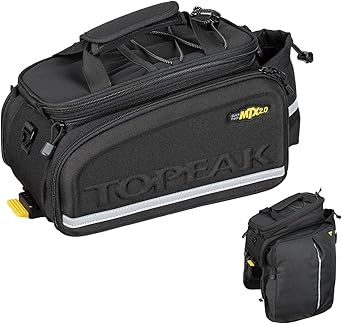
Remove unnecessary accessories before shipping to reduce weight. That Topeak MTX TrunkBag DXP and Topeak Super Tourist DX Rear Rack add pounds that increase costs. Ship accessories separately via USPS flat-rate boxes for savings.
What Documentation Do You Need for eBike Shipping?
Complete a lithium battery declaration form when shipping eBikes with batteries over 100Wh. This document certifies that your battery meets shipping regulations and is properly packaged. BikeFlights and ShipBikes provide these forms automatically during booking.
Include the battery specifications: voltage, amp-hours, and watt-hours. Attach a copy of this documentation to the outside of the box in a clear plastic envelope. Keep a second copy for your records.
Required Labeling and Markings
Apply a "Lithium Ion Battery" hazmat label on two opposite sides of the box. These labels meet Department of Transportation requirements and signal special handling needs to carriers. Purchase pre-printed labels from shipping supply companies or print them from carrier websites.
Add your contact information and destination address on at least two sides of the box. Include a phone number where you can be reached during transit in case of questions or delays.
Mark the box with "FRAGILE" and "THIS END UP" arrows on all four sides. While not legally required, these markings improve handling care during transit.
Insurance and Declared Value Documentation
Photograph your eBike from multiple angles before packing, including serial numbers, component details, and any existing damage. These photos serve as evidence for insurance claims if damage occurs during shipping.
Keep your original purchase receipt and any upgrade receipts. Insurance claims require proof of value, and original documentation strengthens your claim. Email yourself copies so they're accessible from anywhere.
Declare the full replacement value when purchasing insurance. Under-declaring to save on insurance costs backfires if you need to file a claim and receive only the declared amount.
How Do You Track and Receive Your Shipped eBike?
All major carriers provide real-time tracking with estimated delivery dates. Save your tracking number immediately after shipping and monitor progress daily. BikeFlights and ShipBikes send automated updates via email and text message.
Most residential deliveries don't require signatures, but requesting signature confirmation adds accountability and prevents porch theft of your valuable eBike. This service costs $5-$10 extra but provides peace of mind for bikes worth over $1,500.
What to Do Upon Delivery
Inspect the box before signing for delivery. If you notice significant damage, crushed corners, or holes in the box, note this on the delivery receipt and photograph the damage immediately. This documents the condition and strengthens potential insurance claims.
Open the box within 24 hours and thoroughly inspect your eBike. Check for frame damage, component damage, and ensure the battery wasn't compromised. Test all electronic components before the carrier's damage claim window closes (typically 24-48 hours).
Document any damage with clear photographs from multiple angles. Contact the carrier immediately to file a claim while evidence is fresh. BikeFlights offers specialized damage support to help navigate the claims process.
Dealing with Shipping Delays or Issues
If your eBike doesn't arrive on the estimated delivery date, contact the carrier immediately. Tracking updates usually explain delays (weather, mechanical issues, customs holds), but proactive communication prevents lost packages.
For packages that show "delivered" but haven't arrived, check with neighbors and around your property first. Contact the carrier within 24 hours to file a missing package report. Shipping insurance covers lost packages, not just damaged ones.
Save all shipping documentation until your eBike arrives safely and you've confirmed no damage. This includes receipts, tracking numbers, insurance certificates, and battery declarations.
What Are Common eBike Shipping Mistakes to Avoid?
Insufficient padding causes many shipping damage claims. Many shippers underestimate the rough handling packages receive during sorting and transit. Your box may be dropped, stacked under heavy items, or shifted repeatedly during the journey.
Failing to secure the battery properly creates safety hazards and violates shipping regulations. Loose batteries can short circuit, causing fires or damage to your eBike's electronic components. Always separate the battery from the frame with dedicated padding.
Critical Mistakes That Cost Money
Using inadequate boxes: Standard moving boxes lack the strength for 60-pound eBikes. Boxes collapse during handling, damaging your bike and voiding insurance claims. Invest $20-$40 in proper bike boxes designed for shipping weights.
Skipping insurance: Shipping a $2,500 eBike without adequate insurance coverage risks total loss if the package is lost or severely damaged. The $25 insurance cost is negligible compared to the potential $2,500 loss.
Incorrect battery declarations: Falsifying battery specifications or omitting them entirely violates federal regulations. Carriers can refuse your shipment, levy fines up to $500, and ban you from future shipping services.
Last-minute shipping: Rushing the packing process leads to forgotten steps like removing pedals or securing loose components. These items can puncture the box from inside, damaging the frame or causing carrier rejection.
Ignoring carrier restrictions: Each carrier has specific size and weight limits. UPS rejects packages exceeding 150 pounds or 108 inches (length + girth). Know these limits before paying for a service that will refuse your package.
Should You Consider Professional eBike Shipping Services?
Professional bike shipping services handle everything from packaging to insurance for $50-$100 more than DIY shipping. This option makes sense for eBikes over $4,000, rare models, or when you lack time for proper packaging.
Companies like BikeFlights Pro and Velosurance offer white-glove service including pickup, professional packing, and specialized transport. Total cost runs $400-$600 for cross-country shipping but includes $10,000+ insurance and gentle handling.
When Professional Service Makes Sense
High-value cargo eBikes like Yuba Cargo models with custom accessories benefit from professional handling. These bikes often weigh 80-100 pounds fully equipped and have awkward dimensions that make DIY packing challenging.
If you're shipping internationally, professional services navigate customs paperwork, import duties, and international battery regulations. The complexity of international shipping justifies the additional cost for most eBike owners.
Seniors or those with physical limitations may find professional packing worth the extra cost rather than wrestling with 60-pound bikes and complicated disassembly.
DIY vs. Professional Cost Comparison
DIY shipping (BikeFlights booking): $250 + $30 (box) + $25 (insurance) = $305 total
Professional service (full-service): $450 including pickup, packing, and premium insurance
The $145 difference buys convenience, expertise, and reduced risk of packing errors. For most eBike owners shipping occasionally, DIY methods save money without excessive difficulty.
Frequently Asked Questions
Can you ship an eBike battery on a plane?
No, most airlines prohibit lithium batteries over 100Wh in checked baggage. Some airlines allow batteries 100-160Wh in carry-on luggage with airline approval, but most eBike batteries exceed these limits. Ground shipping remains your only option for batteries over 300Wh.
How long does eBike shipping take?
Ground shipping takes 5-7 business days for cross-country transport and 2-4 days for regional shipping under 1,000 miles. Expedited services offer 2-3 day delivery but cost 60-80% more and may not accept batteries over 300Wh.
Do you need to drain the battery before shipping?
Partially discharge lithium batteries to 30-50% capacity before shipping for maximum safety. Fully charged batteries pose greater fire risks if damaged during transit. Never ship completely depleted batteries as deep discharge can permanently damage lithium cells.
What's the best way to ship an eBike internationally?
Use freight forwarders specializing in international bike shipping like BikeFlights International or ShipMyBike. They handle customs paperwork, import duties (typically 10-15% of bike value), and country-specific battery regulations. Expect 2-4 weeks for international transit and costs of $500-$1,200 depending on destination.
Can you ship an eBike without the original box?
Yes, you can ship without the original box using any sturdy bike box with appropriate dimensions. Bike shops provide free boxes from new inventory, or purchase dedicated shipping boxes from BikeFlights or U-Haul. The original box offers no shipping advantages beyond perfect size fit.
Conclusion: Ship Your eBike with Confidence
Shipping an eBike successfully requires attention to battery regulations, proper packaging, and choosing the right carrier for your needs. By following these guidelines, you'll protect your investment and ensure your electric bike arrives safely at its destination.
Start by calculating your battery's watt-hours and selecting a carrier that accommodates your specific battery size. Invest time in proper disassembly and padding—this 2-3 hour process prevents damage and costly repairs. Compare quotes from BikeFlights, ShipBikes, and freight options to find the best rate for your route.
Don't skip insurance coverage on eBikes worth over $1,000. The small additional cost provides essential protection against the unexpected. Document everything with photos and keep all shipping paperwork until your bike arrives safely.
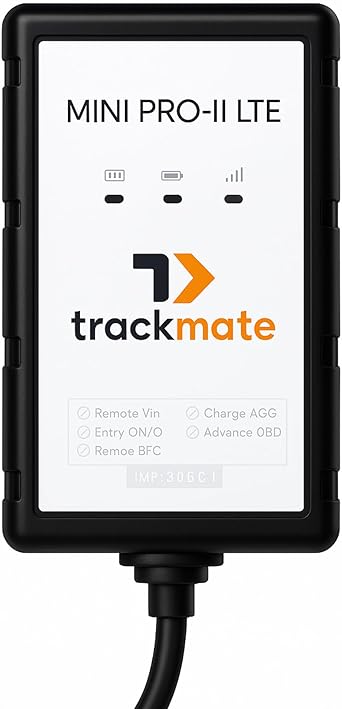
Ready to upgrade your eBike setup after shipping? Check out our recommendations for essential accessories like the Quad Lock Phone Mount for navigation and Kryptonite Locks for security at your new location. Protect your investment with the Tile Pro GPS Tracker to prevent theft during transport transitions.
For more guidance on choosing, maintaining, and enjoying your electric bike, explore our comprehensive eBike buying guides and maintenance tips. Safe shipping leads to more riding adventures.
Affiliate Disclosure
Discussion
Sign in with GitHub to leave a comment. Your replies are stored on this site's public discussion board.