Best Electric Cargo Bikes for Commuting 2026
Load capacity, motor power, range and commutability compared across electric cargo bikes from Yuba, Ride1Up, Velotric, Engwe and Heybike, with commuter accessories, how to choose and answers on legality and how long the battery lasts.
We may earn a commission if you make a purchase through our links.
Disclosure: eBike Revolt earns a commission from affiliate links in this article at no extra cost to you. Our recommendations are based on independent research.
Free: Ultimate eBike Buying Guide
Avoid the 4 most expensive eBike mistakes
Electric cargo bikes have transformed the daily commute. Whether you are hauling two kids to school, loading up on groceries, or replacing a second car, the best cargo e-bike delivers real utility with zero gas costs and effortless pedal assist. The market has matured fast: proven models now offer 60-plus mile range, 400 lb payload capacity, and mid-drive motors that climb hills as if they were flat.
This guide cuts through the noise. It compares cargo e-bikes on load capacity, motor power, range, and commutability.
Free Download
Ultimate eBike Buying Guide
Avoid the 4 most expensive eBike mistakes
Instant download. No spam. Unsubscribe anytime.
If you want to ditch car trips for good, the right cargo e-bike exists at every budget. Here is exactly what to buy and why.
Key Takeaways
- The best cargo e-bikes for commuting handle 300 to 400 lbs of combined rider and cargo weight.
- Mid-drive motors (250W–750W) outperform hub motors on hills and heavy loads.
- Expect 40 to 80 miles of range per charge depending on load and assist level.
- Yuba Cargo Bikes lead the category for dedicated family hauling.
- Ride1Up offers the best value Class 3 commuter platform with rack compatibility.
- Budget buyers can get capable cargo performance from Engwe.
- Always pair your cargo e-bike with a quality lock — theft risk rises with bike value.
Engwe code: RETURN30 takes $100 off at engwe-bikes.com (US only; listed through Feb 2028) — shop Engwe.
What Makes a Great Cargo E-Bike for Commuting?
The best cargo e-bike for commuting balances payload capacity, motor torque, and daily usability. A minimum 250 lb cargo capacity, a motor producing at least 60 Nm of torque, and integrated lighting separate commuter-grade cargo bikes from recreational models. Range of 40+ miles per charge covers most urban round trips without anxiety.
Three factors matter most for commuters specifically:
- Payload: Can it carry your kids, panniers, or work gear without compromising handling?
- Motor torque: Does it climb hills fully loaded without bogging down?
- Geometry: Is it rideable in traffic, not just on open paths?
A cargo bike that fails on any of these is a liability in a daily commute context.
What Are the Top Cargo E-Bikes for 2026?
The top electric cargo bikes for 2026 span three price tiers: premium dedicated cargo bikes, mid-range commuter platforms, and budget-friendly fat tire options. The right pick depends on your cargo needs, terrain, and budget.
Yuba Cargo Bikes — Best for Family Hauling
Yuba Cargo Bikes are the verified choice for riders replacing a car. Yuba pioneered the longtail cargo format, and their 2026 lineup handles up to 440 lbs of combined load across models like the Mundo and Supermarché. Their mid-drive systems deliver 85+ Nm of torque, making loaded hill climbs genuinely manageable.
Why it stands out for commuting:
- Extended rear deck fits two child seats simultaneously
- Integrated cargo rails accept Yuba's own accessory ecosystem
- Hydraulic disc brakes standard across the lineup
- UL 2849-certified battery for verified safety
Ride1Up — Best Value Commuter Cargo Platform
Ride1Up builds some of the most respected value-focused e-bikes on the market, founded by veterans who prioritized spec-per-dollar above everything. Their Class 3 commuter models (28 mph top speed) pair with the Topeak Super Tourist DX Rear Rack to create a capable cargo commuter.
Key specs for cargo commuting:
- 750W rear hub motor with 60+ Nm torque
- 48V battery delivering 45–60 mile range
- 300 lb combined rider and cargo weight rating
- Compatible with standard rear rack accessories
Ride1Up represents the smartest entry into electric cargo commuting for riders who do not need longtail capacity.
Velotric — Urban Cargo Commuter
Velotric was founded by engineers from Uber and Lime who understand urban mobility deeply. Their Nomad and Discover models prioritize commuter ergonomics while handling modest cargo duties with a 330 lb capacity rating and integrated rear rack mounts.
Velotric commuter advantages:
- IPX6 water resistance — proven for all-weather commuting
- Torque sensors on select models for natural pedal feel under load
- Integrated front and rear lighting (UL-tested)
- 60-mile range on the Nomad 1 in standard assist mode
Velotric fills the gap between budget brands and premium cargo specialists. Riders who carry panniers and a laptop daily report it handles the load without handling degradation.
Engwe — Budget Cargo Option
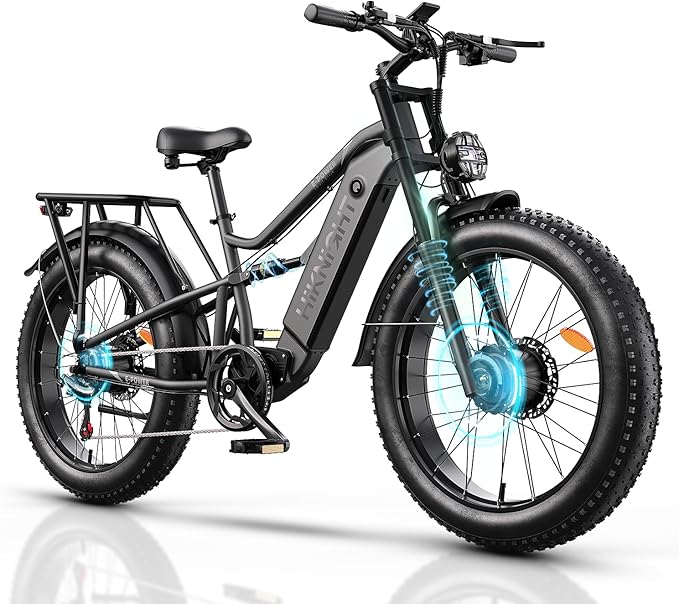
Engwe delivers surprisingly capable cargo performance at accessible pricing. Their fat tire platform (4-inch tires) provides natural stability under load — critical when carrying groceries or gear. The Engine Pro model handles 330 lbs and delivers 40–50 miles of range from a 48V 16Ah battery.
Budget cargo wins:
- Fat tires absorb road vibration protecting cargo
- Folding frame versions available for mixed transit commutes
- Rear rack included on most models
The trade-off is a hub motor (versus mid-drive), which means hill performance suffers under heavy loads. Engwe is ideal for relatively flat urban commutes.
Heybike — Best Compact Cargo Solution
Heybike targets riders who need cargo capacity but also need to store the bike in an apartment or carry it on transit. Their Mars and Cityrun models fold without sacrificing a rear rack or cargo capacity.
Heybike compact cargo advantages:
- Foldable frame stores under desks or in closets
- 350–500W motor handles light to moderate cargo loads
- 48V battery with 35–50 mile range
Heybike is the right call if portability constraints have kept you from buying a cargo bike until now.
How Do Cargo E-Bikes Compare? (2026 Comparison)
| Model | Motor | Range | Payload | Price Tier |
|---|---|---|---|---|
| Yuba Cargo Bikes | Mid-drive 85 Nm | 50–70 mi | 440 lbs | Premium |
| Ride1Up Commuter | 750W Hub 60 Nm | 45–60 mi | 300 lbs | Mid-range |
| Velotric Nomad 1 | 500W Torque | 55–60 mi | 330 lbs | Mid-range |
| Engwe Engine Pro | 750W Hub | 40–50 mi | 330 lbs | Budget |
| Heybike Mars | 500W Hub | 35–50 mi | 265 lbs | Budget |
Check current prices: Yuba Cargo Bikes · Ride1Up · Engwe · Topeak Super Tourist DX Rear Rack · Velotric · Heybike · Rhinowalk Waterproof Pannier Set · Topeak MTX TrunkBag DXP
What Accessories Does a Cargo Commuter Need?
A cargo e-bike without the right accessories is only half-ready for daily use. The four categories that matter most are cargo management, security, navigation, and lighting.
Cargo management:
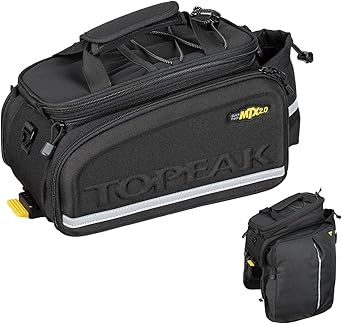
The Rhinowalk Waterproof Pannier Set adds 27 liters of waterproof capacity to any rear rack, protecting laptops and groceries in rain. For heavier loads, the Topeak MTX TrunkBag DXP expands with fold-out side panniers for market runs.
Security:
Cargo e-bikes are high-value targets. The Kryptonite Bike Locks lineup — including the Kryptonite New York Fahgettaboudit Chain Lock — offers Sold Secure Diamond ratings, the highest verified security standard available. Never park a cargo e-bike with less than a Gold-rated lock.
Navigation:
The Quad Lock Phone Mount solves the navigation problem with vibration-dampening mounts that survive cargo-loaded riding over rough surfaces. Standard phone mounts fail within weeks under cargo bike vibration loads.
How Do You Choose the Right Cargo E-Bike?
Choosing the right cargo e-bike comes down to four questions: What are you hauling, how far, over what terrain, and what is your budget? Answering these before shopping eliminates 80% of the confusion.
Step 1: Define your cargo mission
- Kids + school run → Longtail with child seat mounts (Yuba)
- Groceries + gear → Rear rack + pannier setup (Ride1Up or Velotric)
- Light daily cargo → Budget fat tire or folding (Engwe or Heybike)
Step 2: Calculate your range needs
Add your one-way commute distance, multiply by 2, then add 20% buffer for headwinds and heavy loads. A 15-mile round-trip commute needs at least a 36-mile real-world range — not the manufacturer's claimed maximum.
Step 3: Check motor type for your terrain
Mid-drive motors (Yuba) handle hills under load far better than hub motors. If your commute involves any sustained incline above 5%, prioritize mid-drive.
Buying this as a gift and can't decide? Send a Giftcards.com gift card instead →
Frequently Asked Questions
Are cargo e-bikes legal for road use?
Yes, cargo e-bikes are street legal in all 50 US states when they meet federal e-bike classifications. Class 1 and Class 2 bikes (up to 20 mph) face the fewest restrictions. Class 3 bikes (up to 28 mph, like Ride1Up models) may be restricted from some bike paths. Always verify local regulations before purchasing.
How much weight can a cargo e-bike carry?
Most cargo e-bikes carry 250 to 440 lbs of combined rider and cargo weight. Dedicated longtail cargo bikes like Yuba models top out near 440 lbs. Standard commuter platforms with rear racks typically max at 250–300 lbs. Always stay within the manufacturer's rated limit — exceeding it affects braking and handling.
How long does a cargo e-bike battery last?
A cargo e-bike battery typically lasts 500 to 1,000 full charge cycles before losing significant capacity. At daily commuter use (one charge per day), that equals 2–3 years before a replacement is needed. Battery replacement costs $300–$700 depending on capacity.
Is a cargo e-bike worth it vs. a car for commuting?
For urban commutes under 20 miles each way, a cargo e-bike nearly always wins on total cost. The average American car costs over $10,000 per year including insurance, fuel, and maintenance. A $3,000 cargo e-bike with $200/year in maintenance pays for itself in months for single-car households.
What is the best cargo e-bike for beginners?
The best cargo e-bike for first-time buyers is the Ride1Up commuter platform paired with a quality rear rack. It is proven reliable and Class 3 fast. Add the Rhinowalk Waterproof Pannier Set from day one for immediate cargo utility.
The Bottom Line: Which Cargo E-Bike Should You Buy?
The best electric cargo bike for your commute depends entirely on your mission. Buy the Yuba if you are replacing a car and hauling family members — it is the proven category leader. Choose Ride1Up for the best value commuter cargo setup. Go with Velotric for premium urban commuting with all-weather confidence. Start with Engwe or Heybike if budget is the primary constraint.
Every one of these bikes will outlast a car lease in usefulness per dollar spent. The only mistake is waiting.
Ready to make the switch? Browse current pricing and availability on our top picks, and protect your investment from day one with a Kryptonite lock rated for the value you are riding.
Affiliate Disclosure
Discussion
Sign in with GitHub to leave a comment. Your replies are stored on this site's public discussion board.